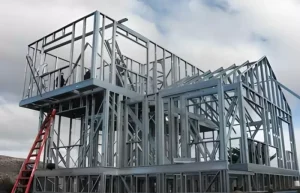

Cold Storage Warehouse Construction – Complete Guide
Cold storage warehouse construction is a highly specialized segment of industrial construction, designed to maintain controlled low-temperature environments for perishable goods such as food products, pharmaceuticals, chemicals, and agricultural produce. Unlike conventional warehouses, cold stores require advanced engineering, precise material selection, and strict compliance with safety and energy regulations.
1. Purpose and Importance of Cold Storage Warehouses
Cold storage warehouses play a critical role in modern supply chains by:
-
Preserving product quality and shelf life
-
Reducing spoilage and waste
-
Supporting food security and pharmaceutical compliance
-
Enabling large-scale logistics, exports, and imports
In regions like Saudi Arabia, where ambient temperatures are extremely high, cold storage facilities are essential for meat, dairy, fruits, vegetables, vaccines, and frozen foods.
2. Types of Cold Storage Warehouses
Cold storage facilities are categorized based on operating temperature ranges:
a) Chilled Storage (0°C to +5°C)
-
Fresh fruits and vegetables
-
Dairy products
-
Beverages
b) Frozen Storage (-18°C to -25°C)
-
Frozen meat and poultry
-
Ice cream and seafood
c) Deep Freeze / Blast Freezer (-30°C to -40°C)
-
Rapid freezing applications
-
Pharmaceutical and specialty food products
Each type influences construction methods, insulation thickness, and refrigeration system design.
3. Site Selection and Planning
Proper planning is the foundation of a successful cold storage warehouse:
-
Proximity to highways, ports, and distribution hubs
-
Soil bearing capacity and groundwater analysis
-
Availability of high-capacity electrical power
-
Compliance with zoning and municipality regulations
Master planning should allow for future expansion, truck maneuvering areas, loading docks, and utilities.
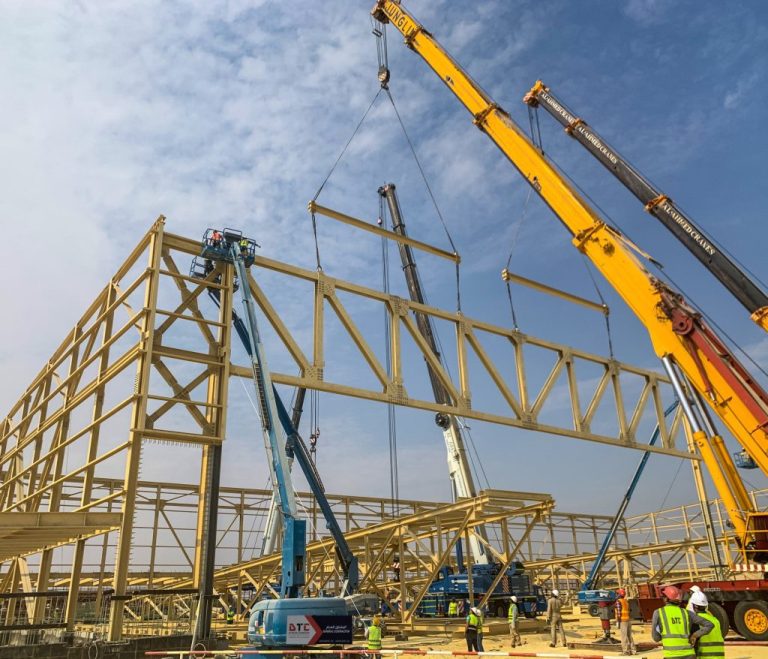
4. Structural Design and Construction System
a) Structural System
Commonly used systems include:
-
Pre-Engineered Buildings (PEB) – cost-effective and fast-track
-
Steel Structure with insulated cladding
-
Reinforced concrete structures (for multi-story cold stores)
Steel structures are widely preferred due to speed, flexibility, and integration with insulated panels.
5. Insulation and Building Envelope
Insulation is the most critical element in cold storage construction.
Key Insulation Materials:
-
PUF (Polyurethane Foam) Panels
-
PIR Panels
-
EPS Panels (limited use)
Insulation Thickness:
-
Chilled rooms: 80–100 mm
-
Frozen rooms: 120–150 mm
-
Deep freeze: 150–200 mm
All joints must be sealed with vapor barriers to prevent condensation, frost buildup, and energy loss.
6. Flooring System for Cold Storage
Cold storage floors require specialized construction:
-
Heavy-duty reinforced concrete slab
-
High-density insulation below slab
-
Vapor barrier and damp-proof membrane
-
Underfloor heating system (for freezer rooms)
-
Industrial epoxy or PU flooring finish
This prevents frost heave, cracking, and long-term structural damage.
7. Refrigeration System Integration
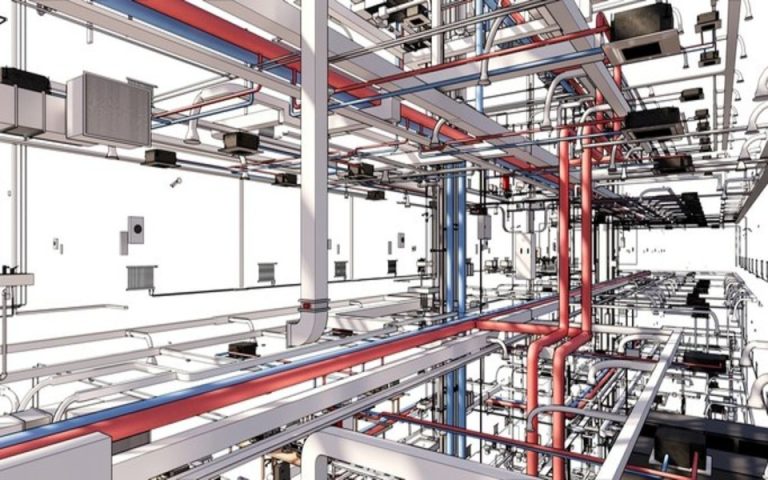
The refrigeration system must be coordinated with civil and MEP works:
-
Ammonia (NH₃) or Freon-based systems
-
Evaporators, condensers, and compressors
-
Air circulation and humidity control
-
Backup and redundancy systems
Energy efficiency and load calculations are critical to reduce operational costs.
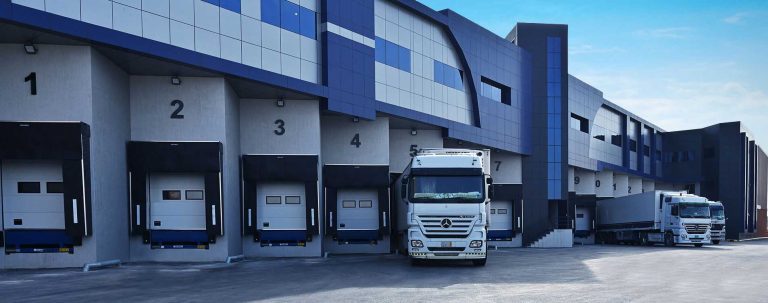
8. Doors, Loading Bays, and Dock Systems
Specialized components include:
-
Insulated cold room doors (sliding or hinged)
-
High-speed roll-up doors
-
Dock levelers and dock shelters
-
Air curtains to minimize temperature loss
These elements directly impact energy efficiency and workflow.
9. Fire Safety, Hygiene, and Compliance
Cold storage warehouses must comply with:
-
Civil Defense and NFPA fire regulations
-
HACCP and food safety standards
-
GMP guidelines (for pharmaceutical storage)
Fire-rated insulated panels, emergency exits, alarm systems, and hygienic finishes are mandatory.
10. Energy Efficiency and Sustainability
Modern cold storage construction emphasizes:
-
Energy-efficient insulation systems
-
LED lighting suitable for low temperatures
-
Solar-ready roofing (where applicable)
-
Automated temperature monitoring and controls
In KSA, compliance with SBC (Saudi Building Code) and energy efficiency programs is essential.
11. Construction Challenges in Cold Storage Projects
-
High initial capital cost
-
Precise coordination between civil, MEP, and refrigeration works
-
Moisture and condensation control
-
Skilled labor and specialized contractors
Choosing an experienced cold storage contractor significantly reduces risk.
Cold storage warehouse construction is a complex but highly valuable investment for logistics, food, and pharmaceutical sectors. Success depends on expert planning, advanced insulation systems, robust structural design, and energy-efficient refrigeration integration. When executed correctly, a cold storage facility delivers long-term operational efficiency, regulatory compliance, and business growth.
Web Search Results (References)
-
Designing a cold storage warehouse: key points
Explains essential design considerations, insulation requirements, and moisture control in cold storage facilities. -
Al Saif Cold Storage Warehouses – Dammam – KSA
Real project example showcasing industrial cold storage construction and engineering expertise in Saudi Arabia. -
A Guide on Basics of Cold Storage Construction
Covers core construction components including insulation, refrigeration, and layout planning. -
Leading Cold Storage Warehouse Construction Contractor
Highlights energy-efficient and regulation-compliant cold storage solutions in KSA. -
How to plan cold storage warehouse design in 7 steps
Step-by-step guide to planning cold storage layouts, materials, and operational zones. -
Cold Storage Warehouse: Definition, How It Works
Provides an overview of cold storage warehouse functions, design principles, and industry applications.