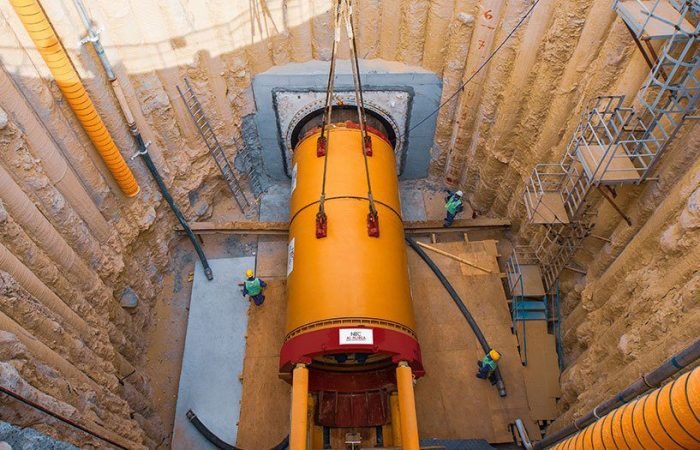
TBM vs Conventional Tunneling Methods
Choosing the Right Approach for Underground Infrastructure Projects
As underground construction continues to expand across Saudi Arabia, selecting the right tunneling method has become a critical decision for infrastructure developers, engineers, and contractors. From metro systems and utility tunnels to water and wastewater infrastructure, modern projects require efficient, safe, and cost-effective tunneling solutions.
Two primary approaches dominate the industry:
- Tunnel Boring Machine (TBM) tunneling
- Conventional tunneling methods (including drill and blast, NATM, and manual excavation)
Each method has its own advantages, limitations, and ideal applications. Understanding the differences between TBM and conventional tunneling is essential for making the right choice.
What Is TBM Tunneling?
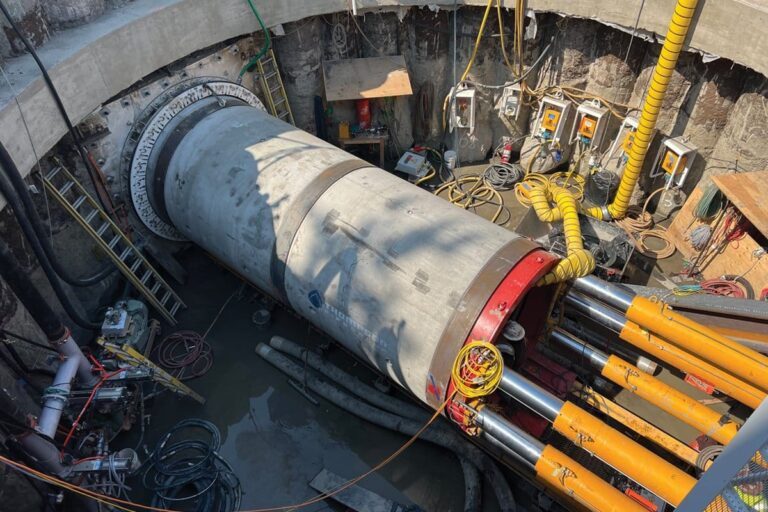
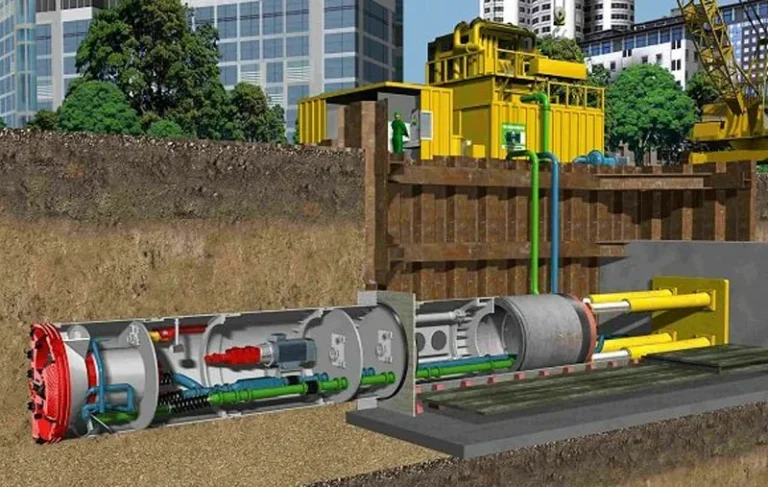
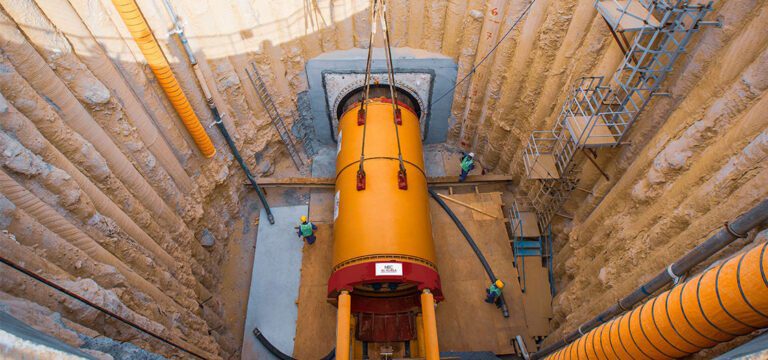
Tunnel Boring Machine (TBM) tunneling is a mechanized method that uses a specialized machine to excavate tunnels while simultaneously installing structural lining.
Key Features
- continuous excavation process
- automated or semi-automated operation
- simultaneous tunnel lining installation
- high precision and consistency
Common Applications
- metro and railway tunnels
- large utility tunnels
- water and wastewater tunnels
- mega infrastructure projects
What Are Conventional Tunneling Methods?
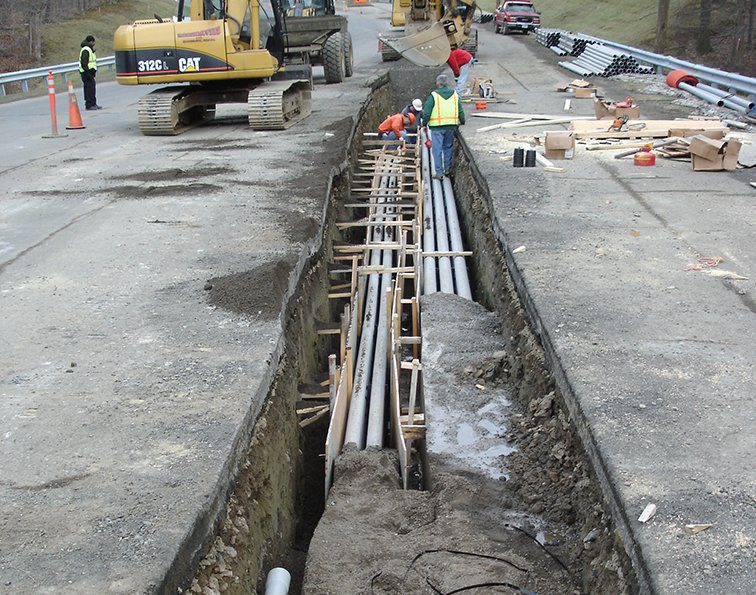
Conventional tunneling refers to traditional methods of tunnel excavation that involve sequential processes rather than continuous mechanized operation.
Common Methods
1️⃣ Drill and Blast
- drilling holes into rock
- using explosives for excavation
- removing debris after blasting
2️⃣ NATM (New Austrian Tunneling Method)
- controlled excavation
- use of shotcrete and rock support
- relies on ground behavior
3️⃣ Manual / Mechanical Excavation
- excavation using excavators or manual labor
- commonly used for smaller tunnels
Applications
- short tunnels
- complex or variable ground conditions
- projects with limited access
Core Differences Between TBM and Conventional Tunneling
1️⃣ Excavation Process
TBM
- continuous and automated excavation
Conventional
- sequential excavation (drill, blast, remove, support)
✔ TBM provides faster and more consistent excavation.
2️⃣ Project Scale and Suitability
TBM
- ideal for large-scale, long tunnels
Conventional
- suitable for small to medium tunnels
✔ TBM is preferred for mega infrastructure projects.
3️⃣ Ground Condition Adaptability
TBM
- requires careful selection based on ground type
- highly efficient in consistent ground conditions
Conventional
- more flexible in varying and unpredictable ground
✔ Conventional methods are more adaptable in highly variable geology.
4️⃣ Safety
TBM
- controlled environment
- reduced exposure to hazards
Conventional
- higher risk due to blasting and manual processes
✔ TBM offers improved safety.
5️⃣ Environmental Impact
TBM
- minimal surface disruption
- reduced noise and vibration
Conventional
- higher vibration and environmental impact
✔ TBM is more environmentally friendly.
6️⃣ Cost Considerations
TBM
- high initial investment
- cost-effective for long tunnels
Conventional
- lower initial cost
- may become expensive for long or complex projects
✔ Cost depends on project size and duration.
7️⃣ Construction Speed
TBM
- faster for long tunnels
Conventional
- slower due to sequential processes
✔ TBM significantly reduces project timelines.
Comparison Table
| Feature | TBM Tunneling | Conventional Tunneling |
|---|---|---|
| Excavation | Continuous | Sequential |
| Project Size | Large-scale | Small–Medium |
| Speed | High | Moderate–Low |
| Safety | High | Moderate |
| Cost | High initial | Lower initial |
| Flexibility | Moderate | High |
| Environmental Impact | Low | Higher |
When to Choose TBM Tunneling
TBM is ideal for:
- long tunnels
- metro and railway systems
- large diameter tunnels
- urban environments requiring minimal disruption
When to Choose Conventional Tunneling
Conventional methods are suitable for:
- short tunnels
- complex geological conditions
- projects with limited access
- smaller budgets
Applications in Saudi Arabia
Both methods are widely used across Saudi Arabia.
TBM Applications
- metro systems
- large utility tunnels
- water transmission tunnels
Conventional Applications
- smaller infrastructure tunnels
- mining projects
- localized underground works
DTC – Expertise in Modern Tunneling Solutions
Delivering the Right Method for Every Project
As a leading infrastructure contractor, Dorrar Tammam Contracting (DTC) provides advanced tunneling solutions tailored to project requirements.
DTC offers:
- TBM tunneling for mega projects
- conventional tunneling solutions
- underground infrastructure construction
- turnkey EPC services
With operations in Dammam, Riyadh, and across the Kingdom, DTC supports diverse tunneling projects.
How DTC Selects the Right Tunneling Method
DTC evaluates:
✔ ground conditions
✔ tunnel length and diameter
✔ project budget
✔ environmental considerations
✔ safety requirements
This ensures optimal performance and cost efficiency.
Environmental and Sustainability Considerations
Both methods contribute to infrastructure development, but TBM aligns more closely with sustainability goals by:
- reducing surface disruption
- minimizing environmental impact
- lowering noise and vibration
This supports initiatives like Saudi Vision 2030.
Future of Tunneling in Saudi Arabia
The demand for advanced tunneling solutions will grow due to:
- mega infrastructure projects
- smart city developments
- transportation expansion
- water and wastewater systems
TBM technology will play an increasingly important role, while conventional methods will remain relevant for specialized applications.
Selecting the Best Tunneling Method
Choosing between TBM and conventional tunneling depends on project requirements.
- TBM is ideal for large, long, and high-precision tunnels.
- Conventional methods are suitable for smaller or geologically complex projects.
Partnering with an experienced contractor ensures the right method is selected.