Pipe Jacking Microtunnelling in Saudi Arabia: A Complete Guide for Modern Underground Infrastructure
Saudi Arabia is undergoing a massive transformation in infrastructure development, driven by Vision 2030 and the rapid expansion of urban and industrial zones. From water transmission systems to smart cities and oil & gas networks, the need for advanced underground construction techniques has never been greater. One of the most efficient and widely adopted solutions is pipe jacking microtunnelling.
This trenchless construction method has revolutionized how pipelines are installed beneath roads, railways, and densely populated urban areas. In this comprehensive guide, we explore everything you need to know about pipe jacking microtunnelling in Saudi Arabia, including its technology, applications, benefits, challenges, and the role of contractors such as DTC General Contracting in delivering successful projects.
What is Pipe Jacking Microtunnelling?
Pipe jacking microtunnelling is a trenchless method used to install underground pipelines with minimal surface disruption. It combines two advanced techniques:
- Microtunnelling: A remote-controlled, laser-guided tunnelling process using a Micro Tunnel Boring Machine (MTBM).
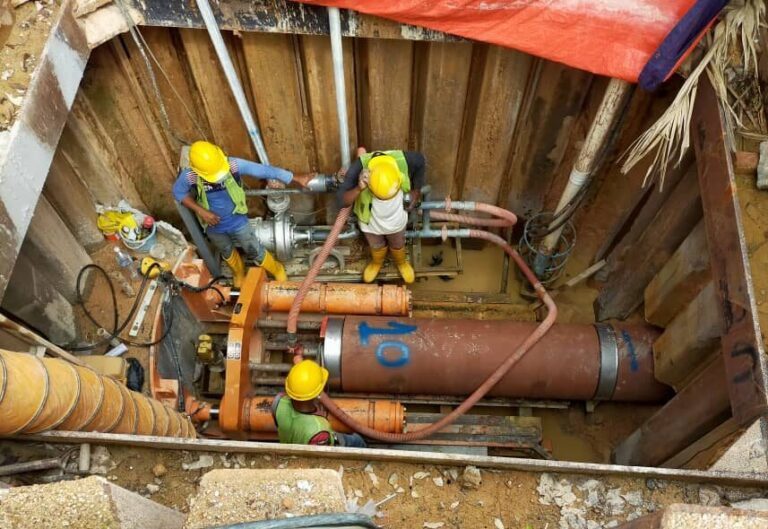
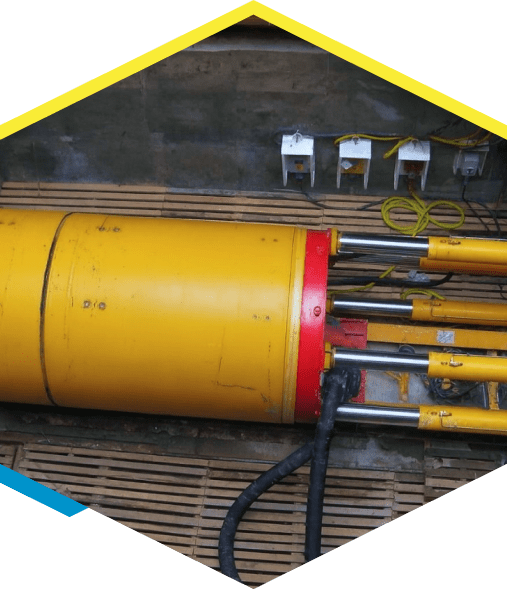
- Pipe Jacking: A method where prefabricated pipes are hydraulically pushed through the ground behind the MTBM.
This technology allows for highly accurate pipeline installation, even in complex ground conditions such as sandy soils, clay, or mixed strata—conditions commonly found across Saudi Arabia.
Why Pipe Jacking Microtunnelling is Essential in Saudi Arabia
1. Rapid Urbanization
Cities like Riyadh, Jeddah, and Dammam are expanding rapidly. Traditional open-cut excavation would cause major disruptions to traffic, businesses, and residents. Microtunnelling provides a solution that keeps cities functioning while infrastructure is upgraded.
2. Vision 2030 Mega Projects
Projects like NEOM require cutting-edge infrastructure solutions. Pipe jacking microtunnelling enables the installation of pipelines without disturbing sensitive or high-value areas.
3. Environmental Protection
Saudi Arabia is increasingly prioritizing sustainability. Trenchless technology minimizes excavation, reduces dust pollution, and protects existing ecosystems.
4. Complex Underground Networks
Modern cities require dense networks of water, sewage, telecommunications, and energy pipelines. Microtunnelling allows precise navigation through congested underground environments.
Key Components of Pipe Jacking Microtunnelling
1. Micro Tunnel Boring Machine (MTBM)
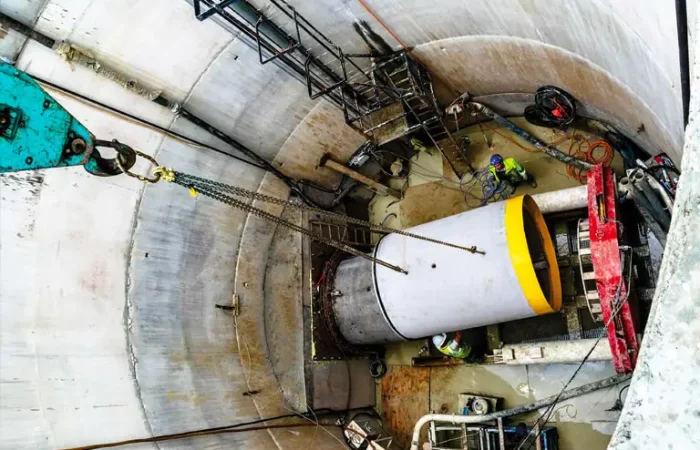
The MTBM is the heart of the operation. It is remotely operated from the surface and equipped with:
- Cutting head for excavation
- Slurry system for soil removal
- Guidance system for alignment accuracy
2. Jacking System
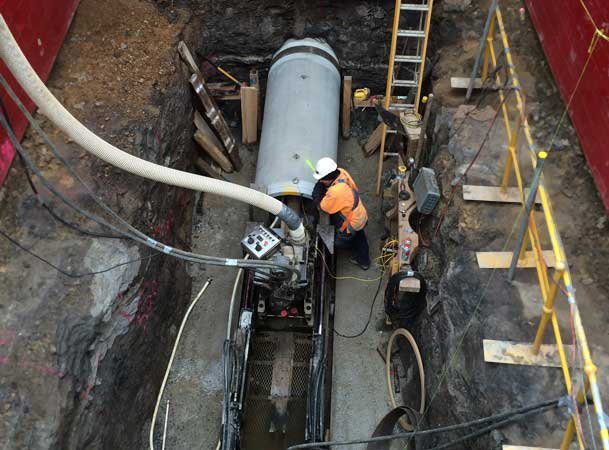
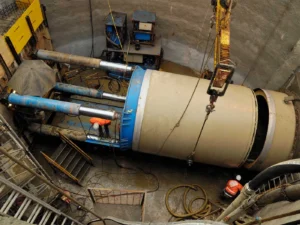
Hydraulic jacks located in the launch shaft push pipes forward as the tunnel progresses.
3. Pipes
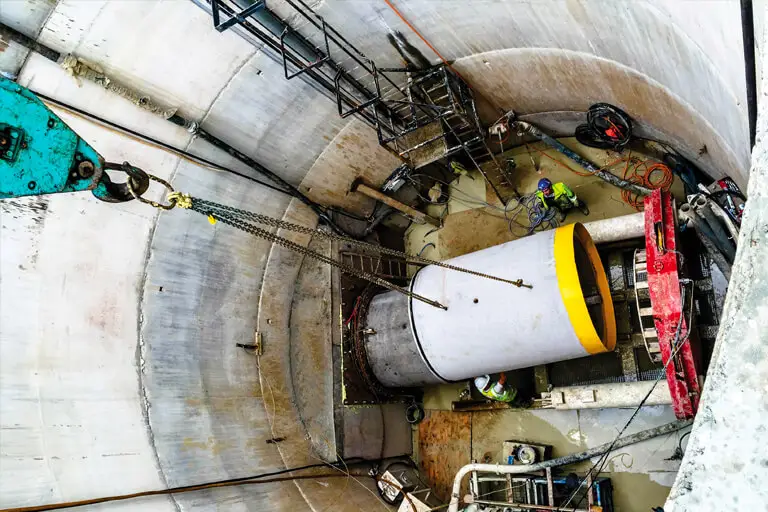
Typically made of reinforced concrete, steel, or GRP, designed to withstand high jacking forces.
4. Guidance System
Laser guidance ensures that the pipeline follows the exact designed alignment and gradient.
5. Slurry Separation Plant
Separates excavated soil from slurry for reuse, improving efficiency and environmental performance.
Applications of Pipe Jacking Microtunnelling in Saudi Arabia
1. Sewer and Wastewater Systems
Microtunnelling is widely used for gravity sewer pipelines requiring precise slope control.
2. Water Transmission Pipelines
Used to install pipelines beneath highways, railways, and urban developments.
3. Oil and Gas Pipelines
Essential for crossing critical infrastructure without disruption.
4. Stormwater Drainage Systems
Helps manage flooding in urban areas.
5. Industrial Infrastructure
Supports pipelines in industrial cities like Jubail and Yanbu.
Advantages of Pipe Jacking Microtunnelling
1. Minimal Surface Disruption
No need for large-scale excavation, making it ideal for busy urban areas.
2. High Precision
Laser-guided systems ensure accurate alignment over long distances.
3. Safety
Remote-controlled operations reduce risks to workers.
4. Environmental Benefits
Less noise, dust, and impact on surrounding ecosystems.
5. Cost Efficiency
Although initial costs may be higher, reduced restoration and social disruption often lead to overall savings.
Challenges of Pipe Jacking Microtunnelling
1. High Initial Investment
Advanced machinery and skilled labor increase upfront costs.
2. Complex Planning
Requires detailed geotechnical investigations and engineering design.
3. Ground Conditions
Saudi Arabia’s varied geology—from الرمال (sand) to rock—can present challenges.
4. Skilled Workforce Requirement
Operators and engineers must be highly trained.
Pipe Jacking Microtunnelling Process Step-by-Step
- Site Investigation
- Soil testing and geotechnical analysis
- Design and Planning
- Alignment and depth design
- Shaft Construction
- Launch and reception shafts built
- MTBM Installation
- Machine installed in launch shaft
- Excavation and Pipe Jacking
- Continuous tunnelling and pipe installation
- Breakthrough
- MTBM reaches reception shaft
- Final Connections
- Pipeline integrated into network
Role of Contractors in Pipe Jacking Microtunnelling
Successful execution depends heavily on experienced contractors. In Saudi Arabia, contractors must provide:
- Advanced equipment
- Skilled workforce
- Strong project management
- Compliance with safety and environmental standards
DTC General Contracting and Infrastructure Development
DTC General Contracting is a key player in Saudi Arabia’s construction sector, known for delivering high-quality infrastructure and industrial projects.
Strengths of DTC General Contracting
- Over two decades of experience
- Strong presence in the Eastern Province
- Expertise in civil and industrial construction
- Ability to manage complex, large-scale projects
While DTC General Contracting operates as a full-service contractor, its capabilities make it a strong partner in projects involving pipe jacking microtunnelling, particularly in coordination, execution, and infrastructure integration.
Pipe Jacking Microtunnelling in Eastern Province
The Eastern Province, including Al Khobar and Jubail, is a hub for industrial and oil & gas activity.
Key Drivers in the Region:
- Industrial expansion
- Water and wastewater infrastructure
- Oil & gas pipeline installations
This makes pipe jacking microtunnelling contractors in Eastern Province Saudi Arabia essential for ongoing development.
Technology Trends in Microtunnelling
1. Automation and AI
Modern systems use AI for real-time monitoring and control.
2. Advanced TBMs
Improved cutting heads and slurry systems for different soil conditions.
3. Digital Monitoring
Real-time data improves accuracy and efficiency.
4. Sustainable Practices
Recycling slurry and minimizing waste.
- pipe jacking microtunnelling contractors in Saudi Arabia
- pipe jacking microtunnelling services Dammam Khobar
- trenchless pipe jacking microtunnelling Eastern Province KSA
- underground pipe jacking microtunnelling contractors Saudi Arabia
- pipe jacking microtunnelling for sewer pipelines KSA
- pipe jacking microtunnelling contractors for NEOM projects
- large diameter pipe jacking microtunnelling Saudi Arabia
- pipe jacking microtunnelling for water transmission pipelines KSA
- trenchless pipe jacking microtunnelling technology Saudi Arabia
- pipe jacking microtunnelling infrastructure contractors Saudi Arabia
Future of Pipe Jacking Microtunnelling in Saudi Arabia
The future looks promising due to:
- Continued investment in infrastructure
- Expansion of smart cities
- Increasing demand for sustainable construction
- Growth in industrial and energy sectors
Pipe jacking microtunnelling will play a critical role in building the underground infrastructure required for Saudi Arabia’s future.
Pipe jacking microtunnelling is transforming the way underground infrastructure is developed in Saudi Arabia. Its ability to deliver precise, efficient, and environmentally friendly solutions makes it indispensable for modern construction projects.
With cities expanding, mega projects advancing, and environmental concerns rising, trenchless technologies are no longer optional—they are essential.
Companies like DTC General Contracting are well-positioned to support this transformation through their expertise in infrastructure development and project execution.