Cold Storage Facility Project
Cold Storage Facility Project: Planning, Construction, and Business Opportunities (2025 Guide)
Introduction to the Cold Storage Facility Project
A Cold Storage Facility Project plays a vital role in the global supply chain, ensuring that perishable goods such as food, pharmaceuticals, and agricultural products maintain their quality and safety during storage and distribution.
As the demand for temperature-controlled logistics rises, governments and private investors are increasingly investing in cold storage infrastructure, especially across growing economies in the Middle East, Asia, and Africa.
This guide explores how to plan, design, and develop a successful Cold Storage Facility Project, its operational components, and why it represents one of the most promising industrial investments in 2025.
Understanding the Importance of Cold Storage Facilities
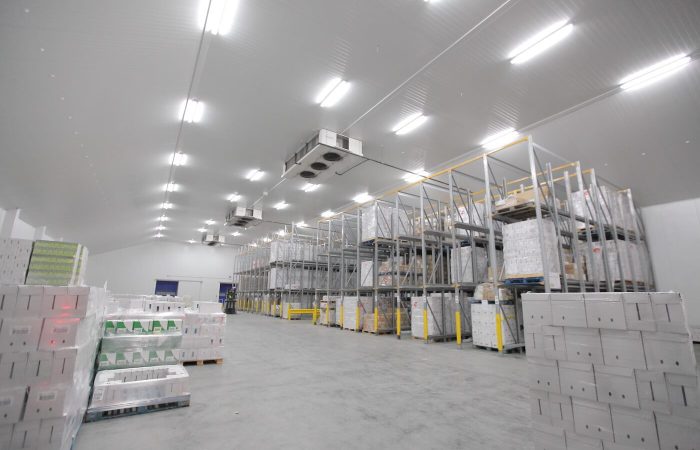
Cold storage facilities are not just warehouses — they’re high-tech environments designed to control temperature, humidity, and airflow to preserve sensitive goods.
Industries that depend on cold storage include:
-
Food and Beverage: Meat, poultry, seafood, fruits, vegetables, and dairy.
-
Pharmaceuticals: Vaccines, insulin, biologics, and medical supplies.
-
Agriculture: Post-harvest storage for grains, flowers, and horticulture products.
-
E-commerce and Retail: Frozen and refrigerated grocery delivery networks.
As consumption patterns change and global trade expands, the Cold Storage Facility Project becomes critical for food security, health safety, and international supply chain reliability.
Key Components of a Cold Storage Facility Project
A well-executed Cold Storage Facility Project requires careful integration of design, technology, and logistics. The main components include:
1. Site Selection and Location Planning
-
Choose a location near highways, ports, or airports to ensure easy distribution.
-
Evaluate the availability of utilities (electricity, water, and backup power).
-
Ensure the site complies with zoning and environmental regulations.
2. Building Design and Construction
Modern cold storage facilities use insulated sandwich panels, airtight doors, and energy-efficient refrigeration systems. Key design considerations include:
-
Temperature zones (-25°C to +10°C)
-
Separate chambers for frozen, chilled, and ambient goods
-
Floor insulation and vapor barriers to prevent condensation
3. Refrigeration and Cooling Systems
-
Ammonia-based refrigeration systems are common in large plants.
-
CO₂ and Freon-based systems are used in smaller or modular setups.
-
Integration of variable frequency drives (VFDs) helps reduce energy costs.
4. Automation and Technology Integration
Advanced cold storage facilities include:
-
IoT-based temperature monitoring
-
Automated Storage and Retrieval Systems (AS/RS)
-
Warehouse Management Systems (WMS) for inventory tracking
-
Blockchain integration for product traceability
5. Energy Efficiency and Sustainability
A modern Cold Storage Facility Project must adopt green building practices, such as solar power, waste heat recovery, and LED lighting systems, to reduce environmental impact and operational costs.
Stages of Developing a Cold Storage Facility Project
1. Feasibility Study and Market Research
Conduct a detailed market feasibility report to determine the local demand for cold storage capacity. Study sectors like food processing, pharmaceuticals, and exports to estimate utilization rates.
2. Financial Planning and Investment Estimation
Depending on the size and technology used, a Cold Storage Facility Project can cost anywhere from $3 million to $50 million. Costs include land acquisition, construction, equipment, and licensing.
Common funding options include:
-
Private equity or venture capital
-
Bank loans and project financing
-
Public-private partnerships (PPP)
3. Design and Engineering
Collaborate with industrial architects and HVAC engineers to create a design that optimizes energy use, space, and product flow.
4. Construction and Equipment Installation
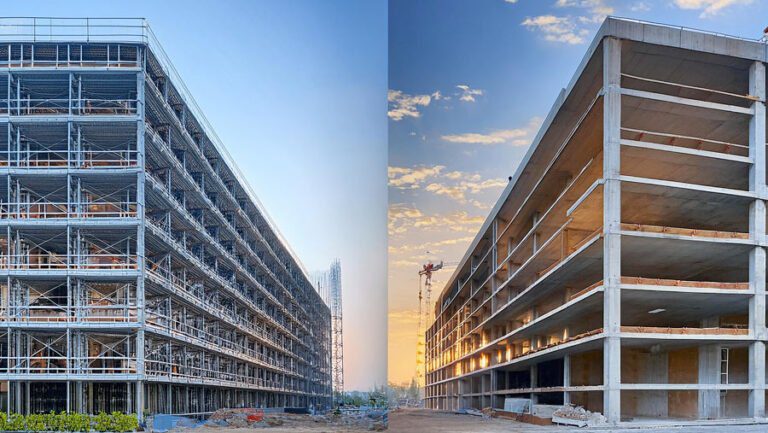
The construction phase involves structural work, insulation, refrigeration setup, electrical installation, and automation systems.
5. Testing, Commissioning, and Operations
After installation, the facility undergoes rigorous performance testing for temperature stability, safety systems, and backup operations before full commissioning.
Economic and Business Benefits of a Cold Storage Facility Project
1. Growing Demand for Perishable Goods
With rising global food consumption, urbanization, and online grocery sales, the demand for temperature-controlled logistics is expanding rapidly.
2. Job Creation and Economic Development
Each Cold Storage Facility Project creates hundreds of direct and indirect jobs in construction, operation, and logistics management.
3. Investment Attraction
Cold chain infrastructure attracts foreign investment and supports national goals related to food security and export diversification.
4. Long-Term Profitability
Cold storage businesses operate with steady demand year-round, offering investors stable and recurring income streams through warehousing and transportation services.
Technological Innovations in Cold Storage
Automation and Robotics
Robotic palletizers and conveyors improve accuracy and reduce labor costs. Fully automated systems can store and retrieve goods with minimal human intervention.
IoT and Real-Time Monitoring
Sensors continuously track temperature, humidity, and energy usage. Alerts are sent automatically if parameters exceed safe thresholds.
Renewable Energy Integration
Solar panels and wind turbines are increasingly integrated into cold storage design, reducing electricity costs by up to 30%.
Data Analytics and AI
AI algorithms optimize energy consumption, inventory turnover, and predictive maintenance — extending the lifespan of refrigeration systems.
Sustainability and Environmental Considerations
Sustainability is now central to every Cold Storage Facility Project. Developers are focusing on:
-
Energy-efficient compressors and low-GWP refrigerants
-
Heat recovery systems for secondary heating
-
LED and motion-sensor lighting
-
Rainwater harvesting and green roofing
The adoption of eco-friendly solutions not only reduces carbon emissions but also enhances eligibility for green financing and government incentives.
Challenges in Developing Cold Storage Projects
1. High Energy Consumption
Cold storage facilities are energy-intensive, consuming large amounts of electricity for refrigeration and lighting.
Solution: Use renewable energy and smart HVAC control systems.
2. Capital-Intensive Setup
Initial investment can be high, but government incentives and public-private partnerships can reduce financial pressure.
3. Skilled Workforce Requirements
Running a Cold Storage Facility Project demands expertise in refrigeration engineering and warehouse management.
Solution: Continuous training and partnerships with technical institutes.
4. Supply Chain Connectivity
Remote or poorly connected locations may struggle with timely distribution.
Solution: Strategic site selection near industrial hubs and transport corridors.
Cold Storage Facility Project and the Global Food Supply Chain
The cold chain industry connects producers, processors, distributors, and consumers. A Cold Storage Facility Project ensures that products maintain their quality from the point of production to final consumption.
Countries across the Middle East, including Saudi Arabia and the UAE, are investing heavily in cold storage logistics to support agriculture, seafood exports, and pharmaceuticals. The global cold chain market is projected to exceed $400 billion by 2030, underscoring the sector’s massive growth potential.
Case Studies of Successful Cold Storage Projects
1. Al-Khomra Logistics Hub (Saudi Arabia)
One of the largest cold chain projects in the Middle East, Al-Khomra integrates freezer warehouses, automated distribution systems, and refrigerated transport terminals.
2. Dubai Industrial City Cold Storage Complex
This multi-temperature facility supports regional exports of seafood, dairy, and produce, using solar-assisted refrigeration systems.
3. Global Example: Lineage Logistics (USA)
Lineage Logistics uses AI, IoT, and data-driven inventory management to manage billions of cubic feet of cold storage globally — a model being replicated across emerging economies.
Future of Cold Storage Facility Projects
The future of Cold Storage Facility Projects lies in digitalization, automation, and sustainability. AI-driven warehouse design, temperature-controlled delivery drones, and blockchain-based traceability will redefine the industry.
Governments are also focusing on integrating cold storage infrastructure within national food security programs, making it an essential part of economic resilience and sustainability efforts.
FAQs about Cold Storage Facility Project
Q1: What is a Cold Storage Facility Project?
A: It’s a specialized facility designed to store temperature-sensitive goods such as food and pharmaceuticals under controlled conditions.
Q2: How much does it cost to build a cold storage facility?
A: Depending on capacity and technology, costs range between $3 million and $50 million.
Q3: What are the main industries that use cold storage?
A: Food, beverages, agriculture, pharmaceuticals, and e-commerce are the primary users.
Q4: What technologies are used in modern cold storage?
A: IoT sensors, AI systems, automation, and energy-efficient refrigeration.
Q5: Is cold storage a profitable business?
A: Yes, due to consistent demand, long-term contracts, and low competition in many regions.
Q6: How can cold storage projects be made more sustainable?
A: Through renewable energy integration, efficient insulation, and smart energy management systems.
Conclusion
The Cold Storage Facility Project represents a cornerstone of modern logistics and industrial development. By enabling safe storage of perishable goods, it ensures food security, public health, and economic sustainability.
With the growing emphasis on energy efficiency, automation, and green design, cold storage facilities are evolving into smart, sustainable, and profitable investments for the future.
In an era where global supply chains depend on reliability, the Cold Storage Facility Project stands as a symbol of innovation, resilience, and long-term opportunity.