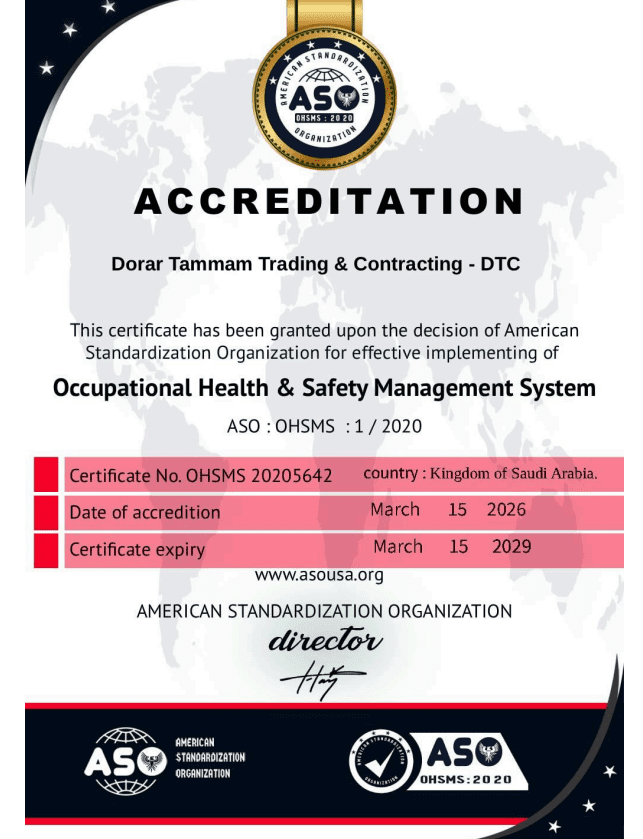
Importance of Occupational Health & Safety Management System (ASO: OHSMS: 1 / 2020)
Building Safer Construction Environments Through Structured Safety Systems
In the construction and industrial sectors, safety is not just a regulatory requirement—it is a fundamental responsibility. Construction sites are dynamic environments where workers face various risks, including heavy machinery operations, working at heights, electrical hazards, and material handling.
To ensure worker safety and minimize risks, organizations must implement structured safety management systems.
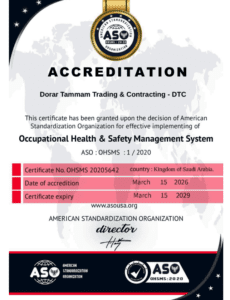
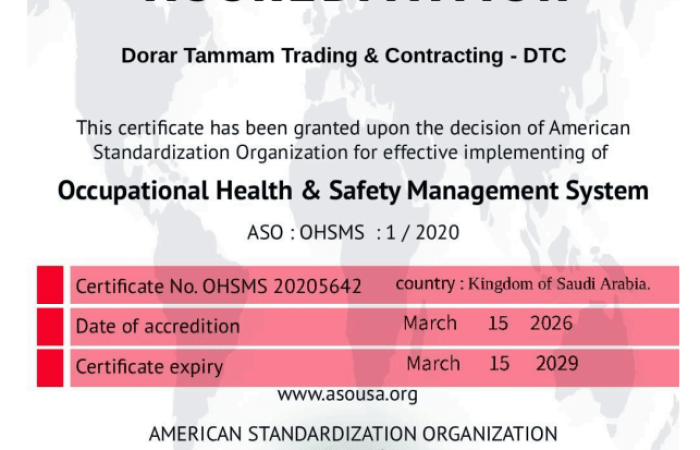
The Occupational Health & Safety Management System (ASO: OHSMS: 1 / 2020) provides a comprehensive framework that helps organizations manage workplace safety, reduce risks, and ensure compliance with health and safety regulations.
In a rapidly developing country like Saudi Arabia, where construction projects are expanding under initiatives such as Saudi Vision 2030, safety management has become more critical than ever.
Leading companies such as Dorrar Tammam Contracting (DTC) adopt structured safety systems to ensure that every project is executed with the highest standards of occupational health and safety.
What Is OHSMS (ASO: OHSMS: 1 / 2020)?
The Occupational Health & Safety Management System (OHSMS) is a structured framework designed to help organizations:
-
identify workplace hazards
-
assess risks
-
implement safety controls
-
monitor safety performance
OHSMS 1 / 2020 provides guidelines that align with international best practices in occupational health and safety management.
It focuses on creating a safe working environment for employees while improving overall operational performance.
Why Occupational Health & Safety Is Critical in Construction
Construction sites present numerous hazards that require strict safety control measures.
Key risks include:
-
falls from height
-
equipment-related accidents
-
electrical hazards
-
exposure to hazardous materials
-
confined space risks
Without proper safety management systems, these risks can lead to:
-
serious injuries
-
project delays
-
financial losses
-
legal liabilities
Implementing OHSMS helps organizations prevent accidents and ensure safe working conditions.
Core Objectives of OHSMS
The primary objectives of the Occupational Health & Safety Management System include:
✔ protecting workers from workplace hazards
✔ reducing accidents and incidents
✔ ensuring compliance with safety regulations
✔ improving safety awareness and training
✔ promoting a safety culture within organizations
These objectives contribute to safer and more efficient project execution.
Key Elements of an Effective OHSMS
An effective Occupational Health & Safety Management System includes several essential components.
1️⃣ Hazard Identification and Risk Assessment
Organizations must identify potential hazards and evaluate associated risks.
This process helps prioritize safety measures and implement preventive actions.
2️⃣ Safety Policies and Procedures
Clear safety policies define how organizations manage workplace safety.
Procedures must be communicated to all employees and enforced consistently.
3️⃣ Training and Competence Development
Employees must be trained to understand safety procedures and perform their tasks safely.
Training programs typically include:
-
safety induction training
-
equipment operation training
-
emergency response training
And more structured planning includes:
-
training objectives
-
training methods
-
required resources
These elements ensure that training programs are effective, measurable, and aligned with project requirements.
4️⃣ Incident Reporting and Investigation
Organizations must establish systems for reporting and investigating incidents.
Analyzing incidents helps prevent recurrence and improve safety practices.
5️⃣ Monitoring and Continuous Improvement
Safety performance must be continuously monitored through audits and inspections.
Organizations should implement corrective actions to improve safety systems.
Benefits of Implementing OHSMS
Adopting a structured Occupational Health & Safety Management System provides numerous advantages.
Improved Workplace Safety
Systematic safety management reduces accidents and ensures safe working environments.
Enhanced Compliance
Organizations comply with local and international safety regulations.
Increased Productivity
Safe working environments improve employee confidence and productivity.
Reduced Operational Risks
Proactive risk management minimizes disruptions and project delays.
DTC’s Commitment to Occupational Health & Safety
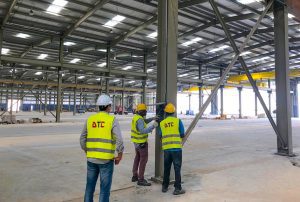
As a leading contractor in Saudi Arabia, Dorrar Tammam Contracting places safety at the core of its operations.
DTC implements structured Occupational Health & Safety Management Systems aligned with OHSMS 1 / 2020 standards.
The company’s safety commitment includes:
✔ strict adherence to safety regulations
✔ continuous workforce training and awareness
✔ implementation of advanced safety procedures
✔ proactive risk identification and mitigation
DTC ensures that all projects are executed with a strong focus on protecting workers and maintaining safe environments.
Application of OHSMS in Construction Projects
OHSMS principles are applied across all stages of construction projects.
Project Planning
Safety risks are identified during the planning phase.
Risk assessments help define safety strategies.
Site Preparation
Safety measures are implemented before construction activities begin.
This includes:
-
site fencing
-
hazard signage
-
access control
Construction Execution
Safety procedures are enforced during construction activities.
Regular inspections ensure compliance with safety standards.
Emergency Preparedness
Organizations establish emergency response plans for incidents such as:
-
fire emergencies
-
equipment failures
-
medical emergencies
Project Completion
Final safety inspections ensure that projects meet safety requirements before handover.
Importance of Safety Compliance in Saudi Arabia
The construction industry in Saudi Arabia is governed by strict safety regulations.
With the growth of mega projects and industrial developments, safety compliance has become a key requirement for contractors.
Companies that implement structured safety systems gain a competitive advantage and demonstrate professionalism.
Future of Occupational Health & Safety in Construction
Safety management systems continue evolving with new technologies.
Future trends include:
-
digital safety monitoring systems
-
wearable safety devices
-
real-time risk assessment tools
These innovations improve safety performance and reduce workplace risks.
Building a Safer Future with OHSMS
The Occupational Health & Safety Management System (ASO: OHSMS: 1 / 2020) provides organizations with a structured approach to managing workplace safety and minimizing risks.
Implementing effective safety management systems ensures that construction projects are executed safely, efficiently, and in compliance with regulations.
Through its strong commitment to safety excellence, Dorrar Tammam Contracting continues to deliver high-quality construction services while maintaining the highest standards of occupational health and safety.