Importance of ISO 31000:2018 – Risk Management
Strengthening Construction and Infrastructure Projects Through International Risk Management Standards
In modern construction and infrastructure development, risk management has become a critical component of successful project execution. Construction projects involve multiple stakeholders, large investments, complex engineering systems, and strict safety requirements.
Managing risks effectively ensures that projects are delivered safely, efficiently, and within budget.
International standards such as ISO 31000:2018 provide organizations with structured frameworks for identifying, assessing, and managing risks across their operations.
For construction companies operating in competitive markets like Saudi Arabia, implementing global risk management standards demonstrates a strong commitment to safety, quality, and operational excellence.
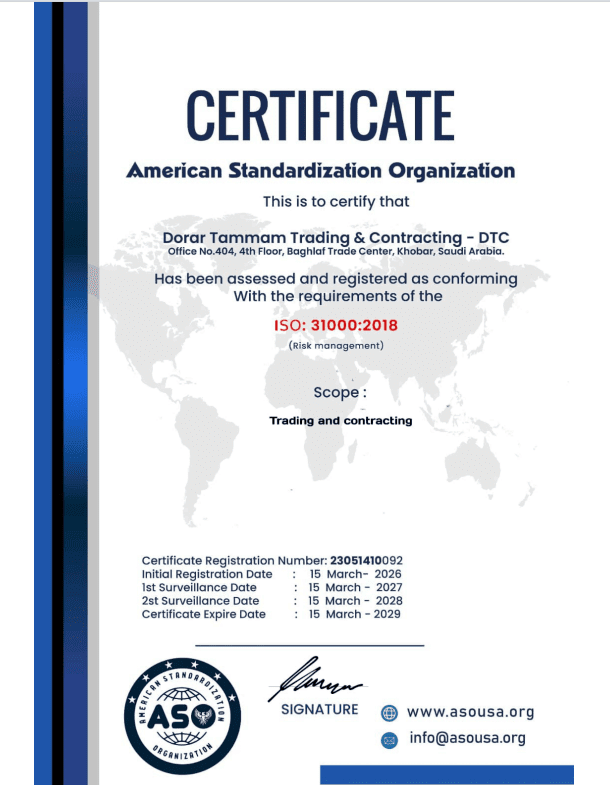
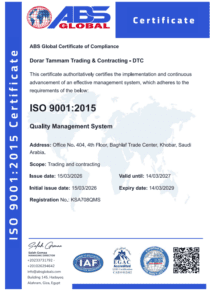
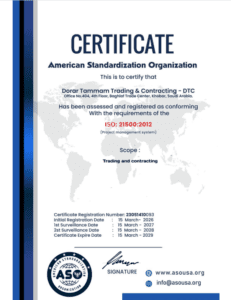
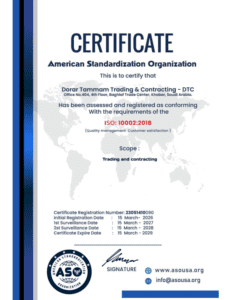
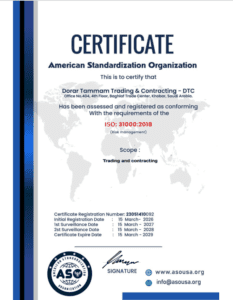
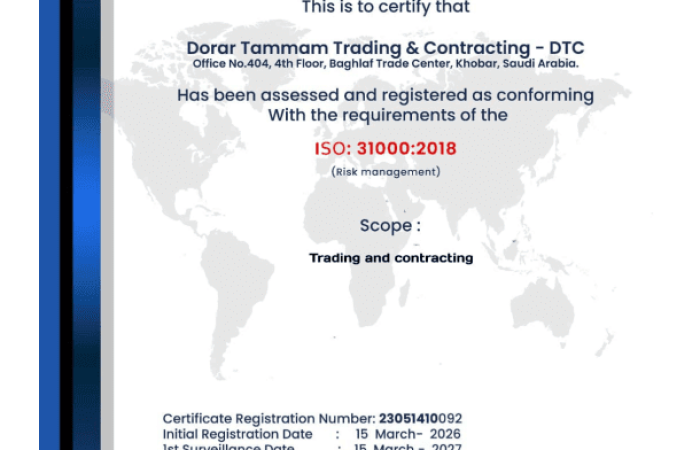
Among forward-thinking construction companies in the region, Dorrar Tammam Contracting (DTC) has successfully achieved ISO 31000:2018 Risk Management certification, reinforcing its commitment to international best practices in project risk management.
What Is ISO 31000:2018?
ISO 31000:2018 is an internationally recognized standard developed by the International Organization for Standardization that provides guidelines for managing risks in organizations.
Unlike some ISO standards that require strict certification processes, ISO 31000 provides a flexible framework that organizations can adapt to their specific operations.
The standard helps organizations develop a structured approach to:
-
identifying risks
-
analyzing potential impacts
-
implementing risk mitigation strategies
-
monitoring and improving risk management systems
This framework enables organizations to manage uncertainties effectively.
Why Risk Management Is Critical in the Construction Industry
Construction projects involve numerous risks due to their complexity and scale.
Common risks in construction include:
-
project delays
-
cost overruns
-
safety hazards
-
supply chain disruptions
-
engineering design challenges
Effective risk management helps companies anticipate potential issues before they become serious problems.
By implementing structured risk management systems, organizations can reduce operational uncertainties and improve project outcomes.
Key Principles of ISO 31000 Risk Management
ISO 31000 is built on several key principles designed to improve organizational performance.
1️⃣ Integrated Risk Management
Risk management should be integrated into all aspects of an organization’s operations.
This includes:
-
project planning
-
engineering design
-
procurement
-
construction execution
Integrating risk management into daily operations ensures consistent decision-making.
2️⃣ Structured and Comprehensive Approach
ISO 31000 promotes a structured framework for identifying and evaluating risks.
This approach allows organizations to assess risks systematically and implement effective mitigation strategies.
3️⃣ Customization to Organizational Needs
Every organization faces different types of risks depending on its industry and operational environment.
ISO 31000 allows companies to customize risk management processes based on their specific requirements.
4️⃣ Continuous Improvement
Risk management should be continuously reviewed and improved.
Organizations must regularly evaluate their risk management systems and update procedures based on operational experiences.
The ISO 31000 Risk Management Framework
The ISO 31000 framework includes several key stages that help organizations manage risks effectively.
Risk Identification
The first step in risk management is identifying potential risks that could affect operations or project outcomes.
Examples include:
-
financial risks
-
operational risks
-
environmental risks
Risk Analysis
Once risks are identified, organizations evaluate their likelihood and potential impact.
This analysis helps prioritize which risks require immediate attention.
Risk Evaluation
Organizations determine whether identified risks fall within acceptable limits.
High-risk scenarios require mitigation strategies.
Risk Treatment
Risk treatment involves implementing strategies to reduce or eliminate potential risks.
These strategies may include:
-
safety procedures
-
engineering controls
-
contingency planning
Monitoring and Review
Risk management systems must be continuously monitored to ensure effectiveness.
Organizations should regularly review risk management practices and implement improvements when necessary.
Benefits of ISO 31000 Certification for Construction Companies
Implementing ISO 31000 provides several benefits for construction companies and project developers.
Improved Project Planning
Structured risk management allows companies to anticipate potential challenges before they occur.
This improves project planning and decision-making.
Enhanced Safety Management
Construction projects involve various safety risks.
ISO 31000 frameworks support the development of effective safety management systems.
Better Financial Control
Risk management helps companies reduce financial uncertainties associated with project delays and cost overruns.
Improved Stakeholder Confidence
Clients and investors prefer working with contractors who follow internationally recognized standards.
ISO certification demonstrates professionalism and reliability.
DTC’s Commitment to Risk Management Excellence
As a leading construction company operating across Saudi Arabia, Dorrar Tammam Contracting prioritizes risk management in every project.
DTC has successfully implemented the ISO 31000:2018 Risk Management framework, demonstrating its commitment to international operational standards.
This achievement reflects the company’s dedication to:
✔ project safety and reliability
✔ operational excellence
✔ proactive risk management
✔ international best practices
By implementing structured risk management systems, DTC ensures that projects are executed with maximum efficiency and minimal operational risks.
Application of ISO 31000 in Construction Projects
ISO 31000 principles can be applied across all stages of construction projects.
Project Planning
Risk assessments help identify potential challenges during project planning stages.
Engineering and Design
Engineering teams evaluate technical risks associated with structural design and construction methods.
Procurement and Supply Chain
Supply chain risks such as material delays and supplier issues are analyzed and mitigated.
Construction Execution
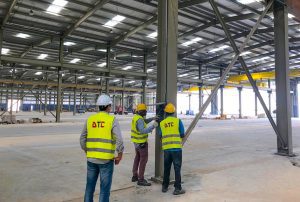
On-site risks including safety hazards and operational disruptions are monitored and managed.
Importance of Risk Management in Saudi Arabia’s Construction Industry
The construction sector in Saudi Arabia is expanding rapidly due to large-scale infrastructure projects and industrial development.
National initiatives such as Saudi Vision 2030 are driving significant investments in construction and infrastructure.
As projects become more complex, implementing structured risk management frameworks is essential for ensuring successful project delivery.
Companies that adopt international standards such as ISO 31000 demonstrate their ability to manage risks effectively while delivering high-quality construction services.
Future of Risk Management in Construction
Risk management practices will continue evolving as construction technologies advance.
Future trends include:
-
digital risk management tools
-
predictive analytics for project risks
-
integrated project management systems
These innovations will further enhance the ability of construction companies to manage complex projects efficiently.
ISO 31000 and the Future of Risk Management
ISO 31000:2018 provides a globally recognized framework for identifying, analyzing, and managing risks across organizations.
For construction companies, implementing structured risk management systems is essential for ensuring project success, operational safety, and financial stability.
By achieving ISO 31000:2018 Risk Management certification, Dorrar Tammam Contracting demonstrates its commitment to international best practices and responsible project management.
This certification strengthens DTC’s ability to deliver reliable construction solutions while maintaining the highest standards of safety, quality, and operational excellence.