What Type of Equipment Is Used in Horizontal Directional Drilling (HDD)?
Horizontal Directional Drilling (HDD) is a trenchless method used to install underground utilities such as pipelines, conduits, and cables without the need for extensive excavation. This technique is widely used in infrastructure projects where minimal surface disruption is required, such as beneath roads, railways, rivers, and urban environments.
The success of an HDD project depends heavily on the equipment used. Each stage of the HDD process—pilot hole drilling, reaming, and pipe installation—requires specialized machinery and tools. Below is an overview of the essential types of equipment commonly used in HDD operations.
1. Directional Drilling Rig
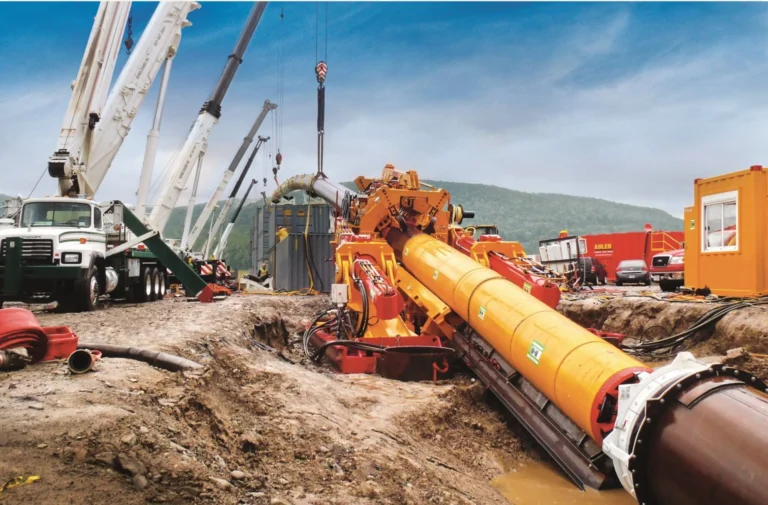
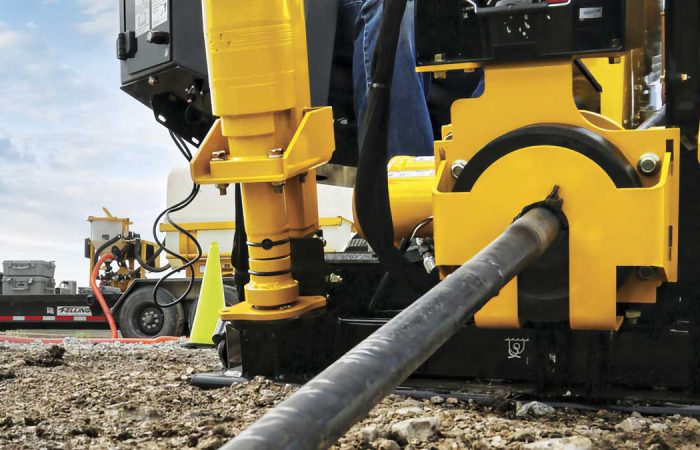
At the core of every HDD operation is the directional drilling rig. This is the primary piece of equipment used to drill the pilot hole and pull back the product pipe. Drilling rigs come in various sizes, from small, compact units for short-distance or urban projects to large, high-powered rigs used for long-distance crossings or large-diameter pipelines.
The rig consists of a power source (usually diesel), hydraulic systems, a drill frame, and a carriage that pushes and pulls the drill pipe. Operators use the rig to control drilling direction, speed, and pressure.
2. Drill Pipe and Drill Head
Drill pipes are hollow steel rods that connect the rig to the drill head. These pipes are added in sections as the borehole progresses and serve as a channel for drilling fluids and guidance tools.
The drill head, also known as the drill bit, is attached to the front of the drill pipe. It is designed to cut through various soil types and can be equipped with different cutting tools depending on the ground conditions. The drill head is often steerable, allowing operators to control the direction of the bore.
3. Mud Mixing and Recycling System
Drilling fluid, commonly referred to as “mud,” plays a vital role in HDD. It helps cool the drill head, stabilize the borehole, remove cuttings, and reduce friction. The mud is typically a mixture of water, bentonite clay, and sometimes additives depending on the soil type.
A mud mixing system prepares the fluid, while a recycling system separates the cuttings from the fluid so it can be reused. These systems ensure efficient operation and minimize waste.
4. Tracking and Guidance System
Precision is key in HDD, so tracking and guidance systems are used to monitor the position and angle of the drill head. These systems include transmitters, receivers, and computer software that help operators steer the drill accurately along the planned bore path.
Advanced tracking systems can work in a wide range of environments, even under rivers or buildings, ensuring the drill remains on course.
5. Reamers and Swivels
After the pilot hole is drilled, the borehole must be enlarged using reamers. These are specialized cutting tools that are pulled or pushed through the hole to widen it to the necessary diameter. There are different types of reamers for different ground conditions, including fluted, fly-cutter, and hole-opener types.
Swivels are used during the pipe pullback stage to connect the reamer to the product pipe while allowing rotation without twisting the pipe.
6. Product Pipe and Rollers
The final pipe or conduit to be installed is typically laid out in sections and welded or joined on-site. Rollers or pipe cradles help support the pipe as it is pulled back through the borehole, ensuring it remains clean and undamaged.
Conclusion
Horizontal Directional Drilling relies on a wide range of specialized equipment to ensure safe, efficient, and precise underground installations. From the drilling rig and drill head to tracking systems and reamers, each component plays a critical role. Choosing the right equipment based on project scope and ground conditions is essential to the success of any HDD operation.