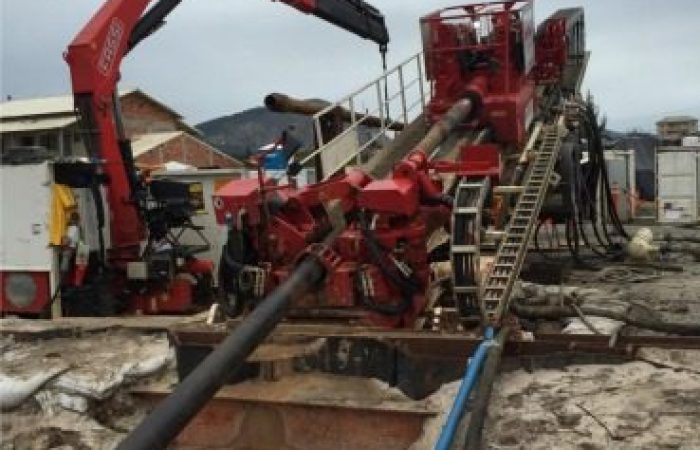
What Are the Key Stages of the HDD Process?
Horizontal Directional Drilling (HDD) is a modern trenchless technology used to install underground pipelines, conduits, and cables with minimal surface disruption. It is especially useful in areas where traditional open trenching is not practical—such as beneath roads, rivers, railways, or environmentally sensitive zones. HDD has become widely used across utility, oil and gas, water, telecommunications, and power sectors. The process is efficient, cost-effective, and environmentally friendly.
To understand how HDD works, it’s important to look at the key stages involved in the process. Each stage requires careful planning, skilled operation, and attention to detail to ensure success. Below are the core phases of a typical HDD project:
1. Planning and Design
The first stage in any HDD project is thorough planning and design. This includes site surveys, soil testing, utility mapping, and route selection. Engineers must evaluate underground conditions, such as soil type, groundwater levels, and potential obstacles. The depth and alignment of the bore path are designed at this stage to minimize risk and ensure that the pipeline or conduit is installed safely and effectively.
Environmental assessments are also conducted to avoid any negative impact on ecosystems. Planning helps in determining the type of equipment needed and estimating the duration and cost of the project.
2. Pilot Hole Drilling
Once planning is complete, the drilling rig is set up at the entry point. The first operational step is the drilling of a pilot hole along the pre-determined path. Using a steerable drill head, operators guide the drill through the ground, constantly monitoring its depth, direction, and location using specialized tracking systems.
This stage is crucial because the accuracy of the pilot hole determines the success of the entire project. Any deviation from the intended path can lead to complications or even project failure.
3. Hole Reaming (Enlargement)
After the pilot hole is completed, it must be enlarged to accommodate the pipe or conduit that will be installed. This is done using a reaming tool, which is attached to the drill string and pulled back through the pilot hole. Depending on the diameter required, this stage may need to be repeated multiple times with larger reamers.
Reaming creates a smooth, stable borehole and helps remove cuttings and debris through the use of drilling fluids, typically bentonite-based mud, which also stabilizes the hole and lubricates the process.
4. Pipe Pullback
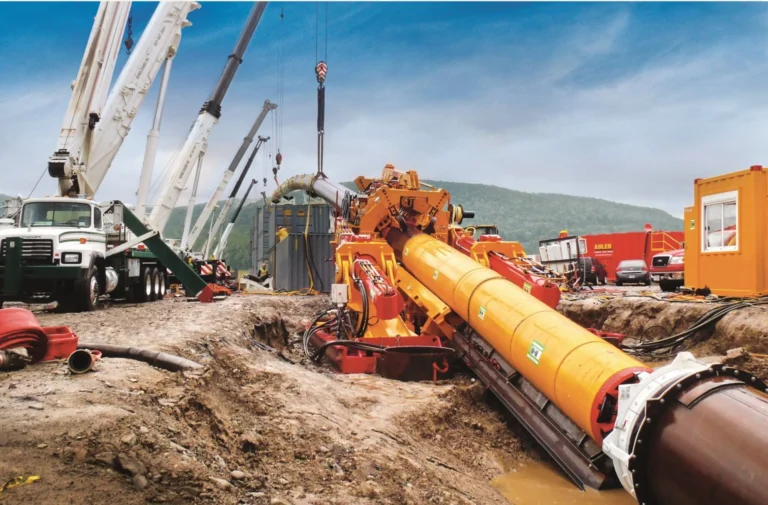
Once the borehole is reamed to the desired diameter, the final product pipe is prepared and positioned at the exit point. It is then attached to the reamer or swivel and pulled back through the borehole to the entry point. During this stage, careful monitoring is essential to ensure the pipe remains intact and free from stress or bending.
The use of drilling fluid continues during pullback to reduce friction, support the hole, and prevent collapse.
5. Site Restoration and Clean-Up
The final stage involves cleaning up the work site and restoring it to its original condition or as specified in project guidelines. This includes removing equipment, disposing of drilling fluid responsibly, and conducting any necessary landscaping or surface repairs.
Conclusion
The HDD process is a carefully orchestrated sequence of steps that require planning, precision, and expertise. From initial design to final pullback and clean-up, each phase is vital to the overall success of the installation. With the growing demand for sustainable and efficient infrastructure solutions, HDD remains a preferred method for underground utility installation worldwide.