Warehouse Construction Standards in Saudi Arabia in 2026
Designing and Building Compliant, High-Performance Logistics Facilities
By DTC – Industrial & Warehouse Construction Specialists
Warehouses play a critical role in Saudi Arabia’s logistics, industrial, and commercial sectors. As the Kingdom positions itself as a regional and global logistics hub, the importance of adhering to modern warehouse construction standards has never been greater.
In 2026, warehouse construction in Saudi Arabia is governed by strict regulations, advanced engineering standards, fire and safety requirements, and performance-driven design principles. Warehouses are no longer simple storage buildings — they are high-performance logistics facilities designed for efficiency, safety, scalability, and long-term operation.
DTC supports warehouse projects across Riyadh, Jeddah, Khobar, Dammam, and the Eastern Province, ensuring full compliance with Saudi Building Code, Civil Defense regulations, and industry-specific standards.
The Evolution of Warehouse Construction Standards in Saudi Arabia
From Basic Storage to Strategic Logistics Assets
Historically, warehouses were designed mainly for storage. Today, they serve as:
-
Distribution centers
-
Fulfillment hubs
-
Cold storage facilities
-
E-commerce logistics centers
This shift has driven the need for higher construction standards and regulatory oversight.
Alignment with Vision 2030 Logistics Goals
Vision 2030 emphasizes:
-
Supply chain efficiency
-
Industrial localization
-
Logistics infrastructure expansion
Warehouse standards in 2026 reflect these national objectives.
Core Regulatory Framework Governing Warehouse Construction
Saudi Building Code (SBC)
The Saudi Building Code defines requirements for:
-
Structural design
-
Fire and life safety
-
Accessibility
-
Mechanical, electrical, and plumbing systems
All warehouses must fully comply with SBC provisions.
Civil Defense Fire & Safety Regulations
Warehouse construction must include:
-
Fire detection and alarm systems
-
Firefighting systems (sprinklers, hydrants)
-
Fire-rated walls and materials
-
Emergency exits and evacuation routes
Fire safety compliance is mandatory for approval and operation.
Municipality & Authority Approvals
Depending on location and use, warehouses require approvals from:
-
Municipal authorities
-
Industrial cities authorities
-
Logistics zone regulators
DTC manages approvals from early design to completion.
Structural Standards for Warehouses in 2026
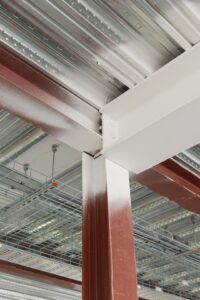
Steel Structure Design Standards
Steel structures dominate warehouse construction due to:
-
Long spans without columns
-
Fast construction timelines
-
Flexibility for expansion
Standards focus on load capacity, wind resistance, and durability.
Foundation & Soil Engineering Requirements
Proper foundation design considers:
-
Soil conditions
-
Load distribution
-
Seismic considerations
This ensures long-term structural stability.
Warehouse Layout & Functional Design Standards
Clear Height and Column Spacing
Modern warehouse standards require:
-
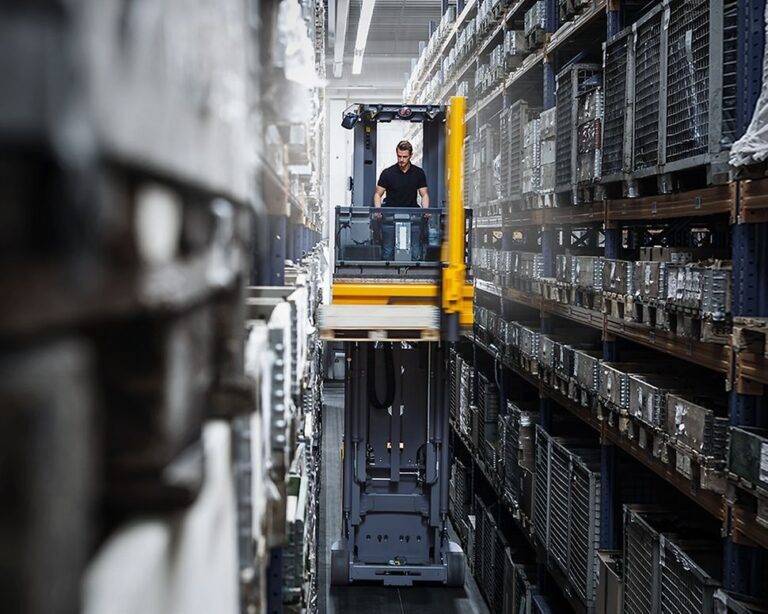
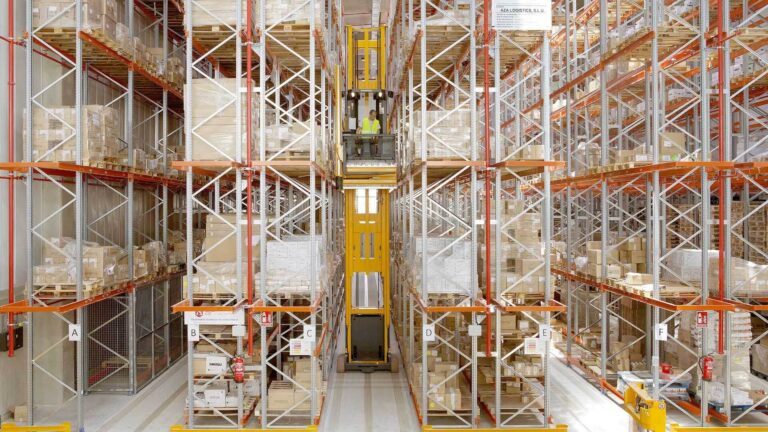
High clear heights for racking systems
-
Optimized column spacing for equipment movement
These factors improve storage efficiency and operations.
Loading Dock & Traffic Flow Design
Standards include:
-
Dock leveling systems
-
Truck maneuvering space
-
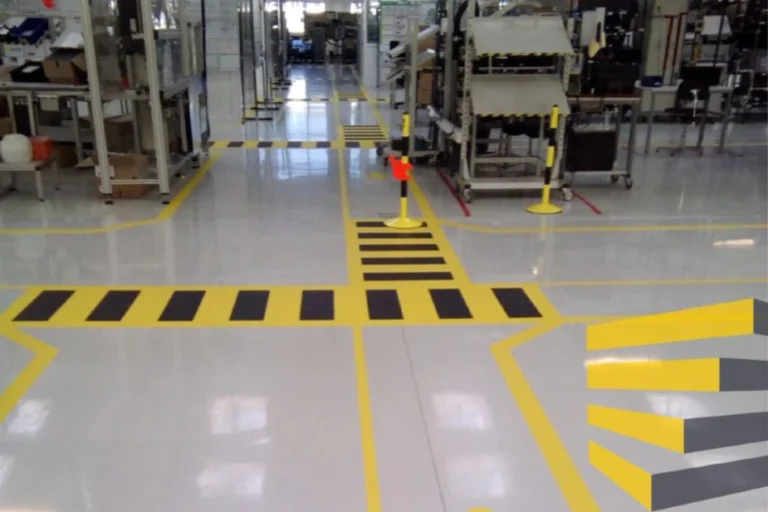
Separate pedestrian and vehicle circulation
This enhances safety and efficiency.
Fire Safety & Life Safety Standards
Fire Compartmentation
Warehouses are divided into fire zones to:
-
Contain fire spread
-
Protect stored goods
-
Improve emergency response
Fire-Resistant Materials
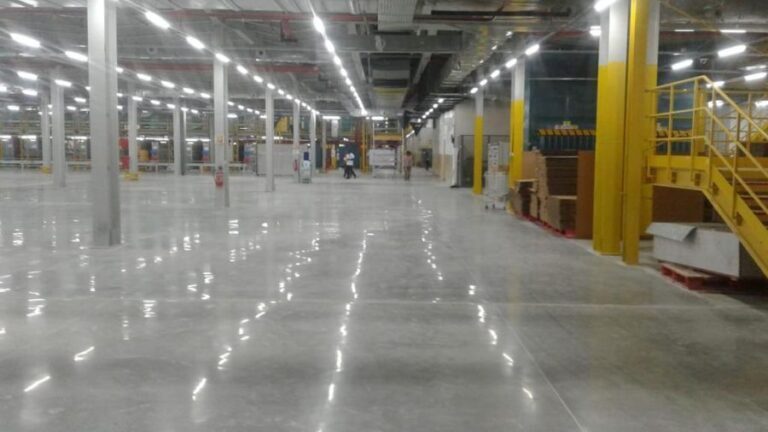
Use of fire-rated walls, ceilings, and coatings is mandatory in 2026.
Flooring Standards for Warehouses
Heavy-Duty Industrial Flooring
Warehouse floors must support:
-
Forklift traffic
-
High point loads
-
Racking systems
Concrete flooring standards ensure durability and flatness.
Specialized Flooring for Cold Storage
Cold storage warehouses require:
-
Thermal-resistant flooring
-
Vapor barriers
-
Crack control measures
Mechanical, Electrical & Utility Standards
Electrical Systems
Standards cover:
-
Lighting levels
-
Emergency power
-
Equipment loads
Ventilation & Environmental Control
Warehouses must ensure:
-
Adequate ventilation
-
Temperature control where required
-
Indoor air quality
Sustainability & Energy Efficiency Standards
Energy-Efficient Building Envelope
Standards promote:
-
Insulated roofs and walls
-
Energy-efficient lighting
-
Reduced energy consumption
Environmental Compliance
Modern warehouses are designed to:
-
Minimize environmental impact
-
Support sustainability initiatives
Specialized Warehouse Standards
Cold Storage Warehouses
Additional standards include:
-
Temperature zoning
-
Refrigeration system safety
-
Insulation performance
Hazardous Goods Warehouses
Require:
-
Enhanced fire protection
-
Spill containment systems
-
Strict safety protocols
Warehouse Construction Standards by Region
Riyadh
Large-scale distribution centers dominate, requiring high-capacity designs.
Jeddah
Port-oriented warehouses focus on fast cargo handling and durability.
Khobar & Dammam (Eastern Province)
Industrial and oil-linked logistics facilities demand heavy-duty standards.
Common Compliance Challenges & Solutions
Design Coordination
Early coordination avoids redesign and delays.
Fire Safety Integration
Fire systems must be planned from the design stage.
Authority Approvals
Experienced contractors streamline approval processes.
Role of Trusted Contractors in Meeting 2026 Standards
In 2026, trusted warehouse contractors are defined by:
-
Strong technical knowledge
-
Regulatory expertise
-
Quality execution
-
Proven logistics project delivery
DTC meets these criteria across Saudi Arabia.
Why DTC Delivers Compliant Warehouse Construction
DTC ensures:
-
Full SBC and Civil Defense compliance
-
High-performance structural systems
-
Efficient warehouse layouts
-
Safety and quality control
Future Trends in Warehouse Construction Standards
Future developments include:
-
Automation-ready warehouses
-
Smart logistics systems
-
Sustainable construction materials
-
Flexible expansion designs
Building Warehouses That Meet 2026 Standards
Warehouse construction standards in Saudi Arabia in 2026 demand precision, compliance, and performance. Modern warehouses must support logistics efficiency, safety, and long-term operational success.
With experience across Riyadh, Jeddah, Khobar, and Dammam, DTC delivers warehouse construction projects that meet and exceed Saudi Arabia’s evolving standards while supporting Vision 2030 logistics ambitions.