Temporary Construction Facility (TCF): The Backbone of Efficient Construction Projects
By DTC General Contracting
In modern construction projects—especially large infrastructure, industrial, and remote developments—successful execution depends not only on engineering and materials but also on the infrastructure that supports construction operations. One of the most important components of this supporting infrastructure is the Temporary Construction Facility (TCF).
A Temporary Construction Facility (TCF) refers to the group of temporary structures, utilities, services, and operational systems established at or near a construction site to support project execution during the construction phase. These facilities are designed for temporary use and are typically dismantled or relocated after the completion of the project.
At DTC General Contracting, we recognize that well-planned Temporary Construction Facilities are essential to ensuring project efficiency, worker safety, logistics management, and overall productivity. This article explores the concept of TCF, its importance in construction projects, design considerations, components, and best practices for implementing high-performance temporary construction facilities.
Understanding Temporary Construction Facilities (TCF)
Temporary Construction Facilities are essentially the operational infrastructure of a construction project. While the final structure—such as a building, plant, or infrastructure—is under construction, the workforce and project management teams require a fully functional environment to operate efficiently.
TCFs include temporary offices, accommodation camps, storage areas, workshops, utilities, roads, and safety facilities that allow the construction process to run smoothly.
Without these facilities, even the most technically advanced construction projects would struggle to operate effectively.
Temporary facilities are particularly critical in large-scale projects where:
-
Thousands of workers are involved
-
Construction occurs in remote or undeveloped areas
-
Complex logistics and equipment management are required
-
Safety and welfare standards must be maintained
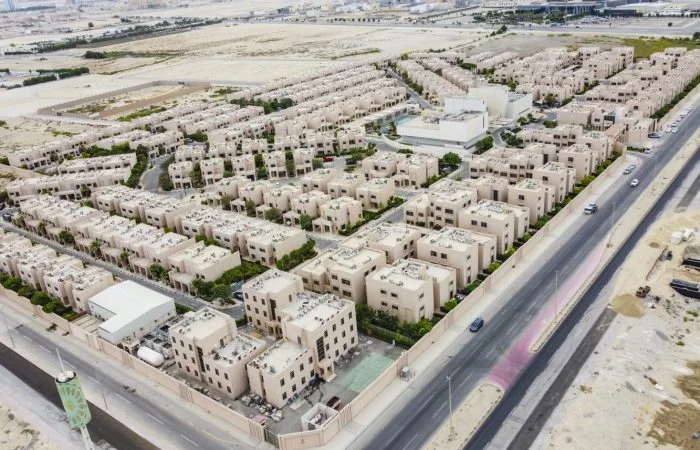
In regions like the Middle East, where mega-projects are often located in desert environments, TCFs become almost like temporary cities supporting the entire workforce during the construction phase.
The Importance of TCF in Construction Projects
Temporary Construction Facilities play a vital role in the success of construction projects. Their importance can be understood through several key aspects.
1. Operational Efficiency
A well-organized TCF ensures that engineers, supervisors, and workers have access to the necessary tools, resources, and facilities needed to complete their tasks efficiently.
Site offices allow project management teams to coordinate operations, conduct meetings, manage documentation, and monitor progress in real time.
Without proper site facilities, communication delays, logistical problems, and operational inefficiencies can significantly impact project schedules.
2. Worker Welfare and Productivity
Construction workers often spend long periods on site, especially in large infrastructure or industrial projects. Providing proper accommodation, sanitation, food services, and recreational spaces improves worker morale and productivity.
Typical welfare facilities include:
-
Worker accommodation
-
Dining halls
-
Prayer areas
-
Medical clinics
-
Recreational spaces
These facilities ensure compliance with labor welfare regulations and help maintain a healthy and productive workforce.
3. Logistics and Material Management
Construction projects require large volumes of materials such as steel, cement, piping, electrical equipment, and mechanical systems. TCFs include laydown areas and warehouses where these materials are stored, organized, and prepared for installation.
Laydown yards allow for efficient storage and staging of materials and equipment, helping reduce delays and improve workflow across the site.
4. Safety and Risk Management
Safety is a top priority in construction operations. Temporary Construction Facilities include dedicated safety infrastructure such as:
-
First aid stations
-
Fire protection systems
-
Emergency assembly areas
-
Safety training centers
Proper planning of TCF layout ensures safe movement of workers, vehicles, and equipment across the construction site.
5. Project Control and Communication
Modern construction projects rely heavily on communication technologies and project management systems. Site offices within TCFs are typically equipped with:
-
Internet and communication networks
-
Document control centers
-
Control rooms
-
Meeting and training rooms
These facilities help ensure seamless coordination between contractors, consultants, and project owners.
Typical Components of a Temporary Construction Facility
A comprehensive TCF includes several key components that support construction operations.
1. Site Offices and Administrative Buildings
Site offices serve as the operational headquarters of the construction project.
These offices typically include:
-
Project management offices
-
Engineering and design rooms
-
Document control centers
-
Meeting rooms
-
IT and communication rooms
Most site offices are modular or prefabricated buildings that can be installed quickly and relocated if necessary.
2. Workforce Accommodation Camps
In large projects, especially those located in remote areas, construction companies often build worker camps to accommodate laborers and engineers.
These camps include:
-
Dormitories
-
Dining halls
-
Kitchens
-
Prayer rooms
-
Recreational facilities
-
Laundry facilities
-
Medical clinics
Accommodation camps can house hundreds or even thousands of workers depending on project size.
3. Material Storage and Laydown Areas
Laydown areas are designated zones within the TCF where construction materials and equipment are stored.
These areas may include:
-
Steel storage yards
-
Pipe storage areas
-
Equipment staging zones
-
Covered warehouses
-
Hazardous material storage
Proper planning of these areas improves logistics and reduces material handling time.
4. Workshops and Fabrication Areas
Temporary workshops are often established on construction sites for fabrication and repair works.
Typical workshops include:
-
Welding workshops
-
Carpentry workshops
-
Mechanical maintenance shops
-
Electrical workshops
Having these facilities on-site helps reduce delays and allows immediate repair or fabrication of components.
5. Utilities Infrastructure
Construction sites require reliable utilities to support operations. Temporary utility systems typically include:
-
Electrical power generation (generators or temporary grid connection)
-
Water supply systems
-
Wastewater and sewage systems
-
Stormwater drainage
-
Communication networks
Contractors are usually responsible for installing and maintaining these temporary utilities throughout the project duration.
6. Access Roads and Traffic Management
Temporary roads and vehicle access routes are often constructed to allow safe movement of trucks, cranes, and heavy equipment.
Traffic management systems within TCFs may include:
-
Access gates
-
Security checkpoints
-
Parking areas
-
Equipment movement routes
These systems ensure smooth logistics and reduce traffic-related risks on site.
7. Safety and Security Facilities
Security and safety infrastructure are essential components of TCF.
Examples include:
-
Perimeter fencing
-
Security control rooms
-
Fire stations
-
Emergency response areas
-
Safety training centers
Regular safety training and emergency drills are often conducted to ensure compliance with safety standards.
Planning and Design of Temporary Construction Facilities
Designing an effective TCF requires careful planning and coordination between engineers, planners, and project managers.
Key factors that influence TCF design include:
-
Project size
-
Workforce numbers
-
Construction duration
-
Site location
-
Environmental conditions
-
Logistics requirements
A well-planned TCF layout ensures efficient movement of workers, equipment, and materials across the site.
Site Layout Planning
The layout of a TCF must consider operational efficiency and safety.
Important planning considerations include:
-
Separation between accommodation and industrial work areas
-
Safe access roads
-
Emergency evacuation routes
-
Fire safety distances
-
Efficient material storage locations
Warehouses, workshops, and hazardous material storage areas are typically placed downwind from accommodation zones to reduce risk.
Modular Construction Approach
Most Temporary Construction Facilities are built using modular or prefabricated structures.
Advantages of modular TCF structures include:
-
Fast installation
-
Flexibility and scalability
-
Easy relocation
-
Reduced construction cost
Portacabins and prefabricated steel structures are commonly used for offices, accommodation, and utility buildings.
Temporary Construction Facilities in Remote Environments
In regions like Saudi Arabia and the Middle East, construction projects are often located in remote desert environments.
In such cases, TCFs must function as fully self-sufficient operational hubs.
These facilities may include:
-
Power generation plants
-
Water desalination systems
-
Fuel storage systems
-
Medical clinics
-
Full accommodation villages
In large infrastructure projects, TCFs may accommodate hundreds of workers and provide facilities such as dining halls, kitchens, sanitation systems, and waste management infrastructure.
Sustainability in Temporary Construction Facilities
Modern construction practices emphasize sustainability, even in temporary infrastructure.
Contractors are increasingly adopting environmentally responsible practices when designing TCFs.
Sustainable strategies include:
-
Solar-powered site offices
-
Water recycling systems
-
Energy-efficient lighting
-
Reusable modular buildings
-
Proper waste management systems
These practices help reduce environmental impact while improving operational efficiency.
Lifecycle of Temporary Construction Facilities
Temporary Construction Facilities follow a lifecycle that mirrors the construction project itself.
1. Planning and Design
During the early stages of the project, contractors develop detailed plans for the TCF layout, infrastructure, and facilities required.
2. Mobilization
During mobilization, the contractor installs site offices, worker accommodation, utilities, and storage areas.
This phase prepares the site for the start of construction activities.
3. Operation
Throughout the construction phase, TCFs remain operational and support all project activities.
Regular maintenance is required to ensure safety and functionality.
4. Demobilization
After project completion, temporary facilities are dismantled and removed from the site.
Unused structures such as portacabins are removed, utilities disconnected, and the site restored to its original condition where possible.
Best Practices for Implementing Temporary Construction Facilities
To maximize the effectiveness of TCFs, contractors should follow several best practices.
Early Planning
TCF planning should begin during the project design stage to ensure proper integration with the construction schedule.
Safety Integration
Safety considerations must be incorporated into every aspect of TCF design.
Scalable Infrastructure
Facilities should be designed to scale according to workforce numbers and project phases.
Efficient Logistics
Material storage and equipment areas should be strategically located to minimize transportation time.
Worker Welfare
Providing comfortable living conditions improves worker satisfaction and productivity.
The Role of DTC General Contracting in Temporary Construction Facilities
At DTC General Contracting, we understand that Temporary Construction Facilities are more than just support structures—they are the foundation of successful project execution.
Our team provides comprehensive solutions for:
-
TCF planning and design
-
Site development
-
Modular facility installation
-
Worker accommodation camps
-
Utilities infrastructure
-
Logistics and material management
-
Safety and security systems
With extensive experience in construction and infrastructure projects, DTC ensures that every Temporary Construction Facility is designed to maximize efficiency, safety, and operational excellence.
Temporary Construction Facilities (TCF) play a critical role in enabling successful construction projects. From site offices and worker accommodation to storage yards and utilities infrastructure, these facilities provide the operational backbone that supports every stage of construction.
A well-designed TCF improves productivity, ensures worker welfare, enhances safety, and enables efficient project management. As construction projects continue to grow in size and complexity, the importance of strategic planning and implementation of Temporary Construction Facilities becomes even more significant.
At DTC General Contracting, we are committed to delivering high-quality construction support solutions that ensure our clients’ projects are executed efficiently, safely, and on schedule.