The Role of Structural Steel in Saudi Construction
The role of structural steel in Saudi construction has become increasingly critical as the Kingdom accelerates industrial growth, logistics development, and large-scale infrastructure expansion, with DTC delivering reliable steel structure solutions across Saudi Arabia.
Saudi Arabia’s construction sector is undergoing a profound transformation driven by industrial diversification, logistics expansion, manufacturing growth, and the development of large industrial cities. At the heart of this transformation lies structural steel, a material that enables speed, strength, flexibility, and scalability in modern construction.
From factories and warehouses to industrial plants and logistics hubs, structural steel construction has become a preferred choice for developers, investors, and contractors. In the Eastern Province, especially Dammam and Al Khobar, steel structures dominate industrial and commercial developments.
As a leading contracting company, DTC plays a vital role in delivering high-quality structural steel construction in Saudi Arabia, supporting projects that demand durability, efficiency, and compliance with Saudi building regulations.
Understanding Structural Steel in Modern Construction
Structural steel is a fabricated construction material designed to support loads and resist forces within a building or industrial facility. It is manufactured in standardized sections and assembled on-site through bolting or welding.
Key Characteristics of Structural Steel
-
High strength-to-weight ratio
-
Precision manufacturing
-
Design flexibility
-
Durability and longevity
-
Compatibility with industrial environments
These characteristics make structural steel an essential component in Saudi Arabia’s construction landscape.
Why Structural Steel Is Central to Saudi Arabia’s Construction Growth
The Kingdom’s rapid development requires construction methods that are fast, scalable, and resilient. Structural steel meets these requirements better than most traditional materials.
Speed of Construction and Project Delivery
Time is a critical factor in industrial and commercial construction. Structural steel enables:
-
Off-site fabrication
-
Rapid on-site assembly
-
Reduced construction timelines
-
Faster project handover
For factories and warehouses developed by DTC, steel structures significantly reduce project schedules without compromising quality.
Strength and Structural Performance
Structural steel offers exceptional load-bearing capacity, making it ideal for:
-
Long spans
-
High-bay warehouses
-
Heavy machinery support
-
Crane systems and mezzanines
Steel’s predictable behavior under load allows engineers to design safe and efficient structures.
Flexibility in Design and Expansion
Saudi industrial projects often require future expansion. Structural steel allows:
-
Modular extensions
-
Vertical and horizontal expansion
-
Easy modification of layouts
This flexibility aligns with the long-term growth plans of industrial investors.
Structural Steel and Industrial Development in Saudi Arabia
Industrial growth is one of the main drivers of steel construction.
Factories and Manufacturing Facilities
Factories require:
-
Wide column spacing
-
High ceilings
-
Heavy load capacity
Structural steel supports manufacturing operations while allowing equipment reconfiguration and expansion.
Warehouses and Logistics Centers
Warehouses rely on steel for:
-
Long clear spans
-
Racking system integration
-
Docking and loading bay structures
DTC designs and constructs steel warehouses optimized for logistics efficiency.
Oil, Gas, and Energy-Related Facilities
Steel structures are essential for:
-
Pipe racks
-
Equipment platforms
-
Maintenance access structures
Steel’s durability suits harsh industrial environments.
Role of Structural Steel in Commercial and Mixed-Use Projects
While industrial projects dominate steel usage, commercial buildings also benefit.
Applications Include
-
Showrooms
-
Workshops
-
Service centers
-
Industrial offices
Exposed steel elements also contribute to modern architectural aesthetics.
Structural Steel Fabrication and Erection Process
The performance of a steel structure depends on proper execution.
Engineering and Design Phase
Structural steel projects begin with:
-
Structural analysis
-
Load calculations
-
Compliance with Saudi Building Code
DTC works closely with engineers to ensure design accuracy.
Fabrication of Steel Components
Steel members are fabricated off-site under controlled conditions.
Fabrication Activities Include
-
Cutting and shaping
-
Drilling and welding
-
Surface treatment and priming
This ensures precision and consistent quality.
Transportation and Site Logistics
Fabricated steel is transported to site with careful planning to avoid damage and delays.
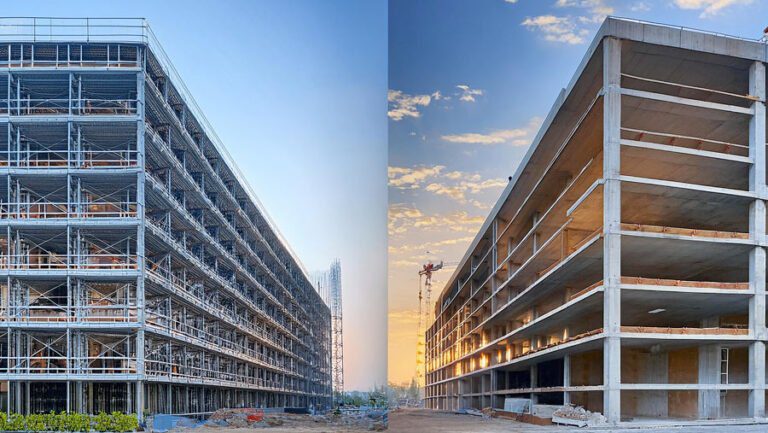
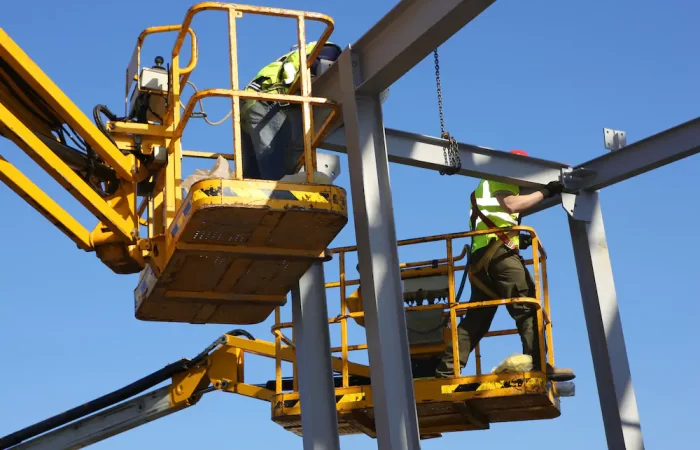
Steel Erection and Assembly
On-site erection involves:
-
Crane lifting operations
-
Bolted and welded connections
-
Alignment and leveling
DTC follows strict safety and quality procedures during erection.
Structural Steel and Safety Considerations
Safety is a key advantage of steel construction.
Fire Protection and Steel Structures
Steel requires fireproofing to maintain strength during fire exposure.
Common Fire Protection Methods
-
Intumescent fireproofing paints
-
Cementitious fireproofing coatings
DTC integrates fireproofing into steel construction projects to ensure compliance.
Structural Stability and Seismic Performance
Steel performs well under dynamic loads, making it suitable for seismic and wind-resistant designs.
Sustainability and Environmental Benefits of Structural Steel
Sustainability is becoming increasingly important in Saudi construction.
Recyclability and Resource Efficiency
Structural steel is:
-
100% recyclable
-
Reusable without loss of strength
-
Environmentally responsible
This supports sustainable construction goals.
Reduced Material Waste
Off-site fabrication minimizes waste and improves efficiency.
Structural Steel and Saudi Building Regulations
Steel structures in Saudi Arabia must comply with:
-
Saudi Building Code
-
Civil Defense requirements
-
Municipality regulations
DTC ensures all steel projects meet regulatory standards.
Structural Steel in the Eastern Region of Saudi Arabia
The Eastern Region is a hub for steel construction due to industrial concentration.
Dammam and Al Khobar as Industrial Centers
These cities host:
-
Warehousing clusters
-
Manufacturing zones
-
Logistics facilities
Structural steel is the backbone of these developments.
Advantages of Choosing Structural Steel Construction with DTC
DTC brings experience and reliability to steel construction projects.
Integrated Contracting Capabilities
DTC provides:
-
Steel structure construction
-
General contracting
-
MEP coordination
-
Fireproofing integration
This reduces interface risks and delays.
Quality Control and Project Management
DTC applies:
-
Inspection and testing plans
-
Material traceability
-
On-site supervision
Quality is maintained throughout the project lifecycle.
Common Challenges in Structural Steel Construction
Design Coordination
Site Access and Lifting Constraints
Fireproofing Integration
Schedule Management
DTC mitigates these challenges through planning and coordination.
Structural Steel as a Long-Term Investment
Steel structures offer:
-
Long service life
-
Low maintenance requirements
-
Adaptability to future needs
This makes steel a cost-effective choice over the building’s lifecycle.
Future Outlook of Structural Steel in Saudi Construction
As Saudi Arabia continues industrial expansion, structural steel will remain a dominant construction solution for:
-
Industrial cities
-
Logistics corridors
-
Manufacturing hubs
-
Infrastructure support facilities
Innovation in steel fabrication and fire protection will further enhance performance.
Structural Steel as the Backbone of Modern Saudi Construction
The role of structural steel in Saudi construction extends far beyond structural support. It enables speed, flexibility, safety, and sustainability across industrial and commercial developments. From factories and warehouses to energy and logistics facilities, steel structures form the backbone of modern construction in the Kingdom.
With its strong presence in Dammam, Al Khobar, and the wider Eastern Region, DTC delivers reliable, compliant, and high-performance structural steel solutions tailored to Saudi Arabia’s evolving construction landscape. Through expert planning, fabrication coordination, and professional erection, DTC continues to support the Kingdom’s growth with durable steel structures built to last.