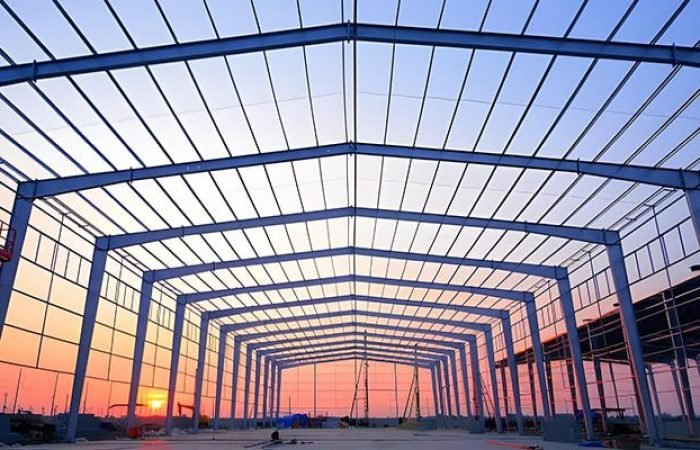
steel structure projects in Saudi Arabia – DTC General Contracting
Steel structure construction has become one of the most rapidly expanding sectors within the Saudi Arabian construction industry. As the Kingdom continues its accelerated transformation under Vision 2030, steel structures play a vital role in developing industrial zones, logistics hubs, commercial facilities, and large-scale infrastructure. Among the prominent companies driving this momentum is DTC General Contracting, a Saudi firm recognized for delivering high-quality steel construction solutions across various sectors.
This article provides a formal, comprehensive overview of steel structure development in Saudi Arabia, the benefits of this construction method, and the key contributions of DTC General Contracting.
1. Introduction to Steel Construction in Saudi Arabia
Saudi Arabia has positioned itself as a leading center for modern construction in the Middle East. With mega-projects such as NEOM, The Red Sea Project, Qiddiya, and industrial expansion in Riyadh, Dammam, and Jeddah, demand for flexible and durable construction systems has significantly increased.
Steel structures have emerged as a preferred solution due to their ability to deliver large spans, quick assembly, and long-term reliability—attributes essential for industrial and commercial development.
2. Why Steel Structures Are Highly Important in the Kingdom
2.1 Adaptability to Harsh Climatic Conditions
Saudi Arabia experiences extremely high temperatures, seasonal humidity spikes, and frequent sandstorms. Steel structures, when properly coated and engineered, exhibit excellent resistance to:
-
Heat expansion
-
Corrosion
-
Wind loads
-
Structural deformation
These characteristics make steel an ideal choice for factories, warehouses, showrooms, and multipurpose halls.
2.2 Speed of Construction
Government initiatives aimed at accelerating infrastructure—such as expanding logistics corridors, industrial cities, and free-trade zones—demand rapid project execution. Steel structures enable fast-track construction because:
-
Fabrication and onsite erection can occur simultaneously
-
Pre-engineered components minimize delays
-
Labour requirements are reduced compared to concrete
This efficiency directly supports national development goals.
2.3 Cost and Sustainability Advantages
Steel is fully recyclable and can be reused without losing strength. Its ability to reduce onsite waste and optimize material use aligns with the Kingdom’s growing emphasis on sustainability.
Moreover, long-term maintenance costs are lower than those of traditional materials, making steel attractive for large-scale investors.
3. DTC General Contracting: A Leading Provider of Steel Structure Solutions
DTC General Contracting (Dorar Tammam Co.) has established itself as one of the most reputable construction firms specializing in industrial and commercial steel projects across Saudi Arabia. Over the past two decades, the company has delivered numerous engineering, procurement, and construction (EPC) projects that adhere to international standards.
3.1 Corporate Capabilities
DTC’s core strengths include:
-
Advanced steel fabrication technology
-
Integrated engineering and architectural services
-
Skilled erection teams
-
Compliance with Saudi Building Codes (SBC)
-
Adherence to environmental and safety regulations
The company’s professional approach ensures precision in every stage of project development.
3.2 Areas of Expertise
DTC specializes in delivering:
-
Warehouses and distribution centers
-
Industrial factories and processing plants
-
Commercial steel buildings
-
Oil and gas steel structures
-
Pre-engineered metal buildings (PEMB)
-
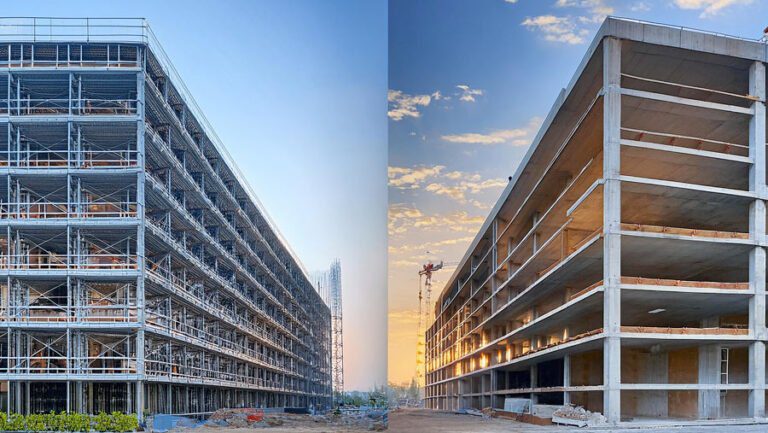
Multi-story steel frameworks
Their portfolio demonstrates versatility across multiple industries.
4. Categories of Steel Structure Projects in the Saudi Market
4.1 Industrial Warehouses
The rapid expansion of logistics and e-commerce has created unprecedented demand for high-capacity storage facilities. Steel structures offer:
-
Wide clear spans
-
High load-bearing capacity
-
Easy expansion capabilities
These benefits make them ideal for warehouses in industrial cities such as MODON, Jeddah Industrial City, and Dammam Second Industrial City.
4.2 Manufacturing and Processing Plants
Industrial production requires buildings that can support:
-
Heavy equipment
-
Overhead cranes
-
High-temperature zones
-
Safety-restricted areas
Steel structures are engineered to handle these complex requirements efficiently.
4.3 Commercial Buildings
Steel’s strength-to-weight ratio enables developers to construct:
-
Office complexes
-
Exhibition halls
-
Shopping pavilions
-
Showrooms
These buildings demand architectural flexibility—something steel delivers exceptionally well.
4.4 Infrastructure and Energy Projects
The oil and gas sector frequently relies on steel structures for:
-
Pipe rack systems
-
Compressor stations
-
Storage units
-
Power plant enclosures
Their resilience ensures reliability in mission-critical environments.
5. DTC’s Methodology for Delivering Steel Structure Projects
5.1 Planning and Design
DTC begins each project with:
-
Architectural modelling
-
Structural analysis
-
Load simulations
-
Value engineering reviews
This rigorous planning phase ensures precision and safety.
5.2 Fabrication
Fabrication is carried out using high-accuracy CNC machinery. Components undergo:
-
Dimensional checks
-
Welding inspections
-
Surface treatment and painting
-
Anti-corrosion procedures
Each step complies with ISO and SBC quality requirements.
5.3 Erection and Onsite Assembly
DTC’s erection teams install:
-
Primary steel frames
-
Secondary members
-
Roofing panels
-
Insulation
-
Fireproofing systems
Safety protocols are strictly enforced throughout the process.
6. Challenges in Steel Structure Construction and DTC’s Solutions
6.1 Weather and Environmental Conditions
High temperatures can impact welding and coating. DTC mitigates this by using:
-
Heat-resistant coatings
-
Onsite temperature-controlled procedures
-
Certified welding techniques
6.2 Skilled Labour Availability
DTC invests heavily in workforce training and employs experienced supervisors to maintain international standards.
6.3 Supply Chain Management
By partnering with high-quality steel suppliers and maintaining local inventory, DTC minimizes project delays and cost fluctuations.
7. Contribution of Steel Structures to Vision 2030
Saudi Arabia’s Vision 2030 emphasizes:
-
Industrial diversification
-
Sustainable construction
-
Modern logistics networks
-
Smart urban development