Steel Structure Construction for Saudi Industrial Projects
Steel Structure Construction is becoming the cornerstone of Saudi Arabia’s industrial development, driven by Vision 2030 and increasing investments in manufacturing, logistics, and commercial infrastructure. In a market that demands speed, durability, and cost efficiency, steel structures provide the perfect solution for modern industrial projects.
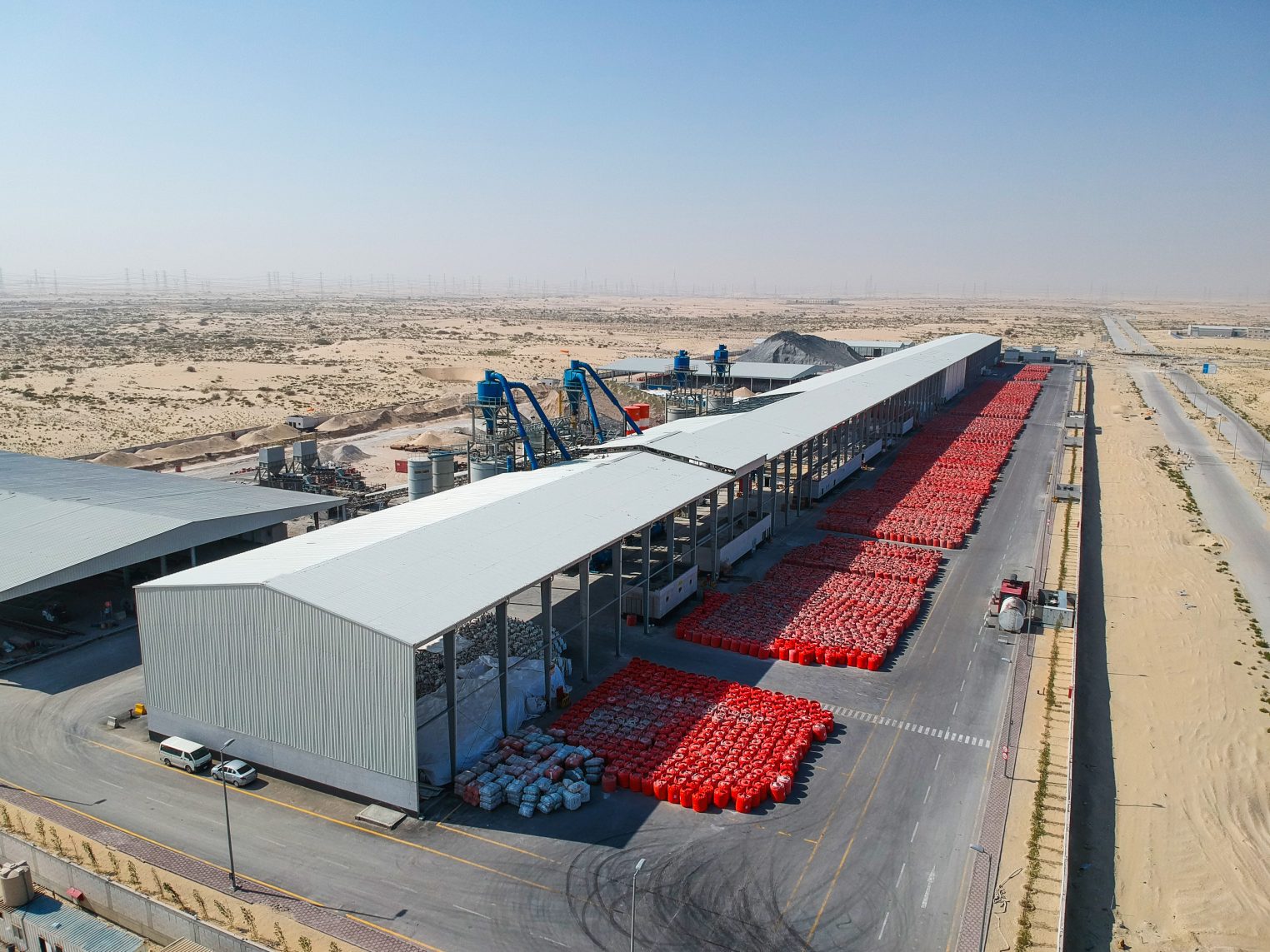
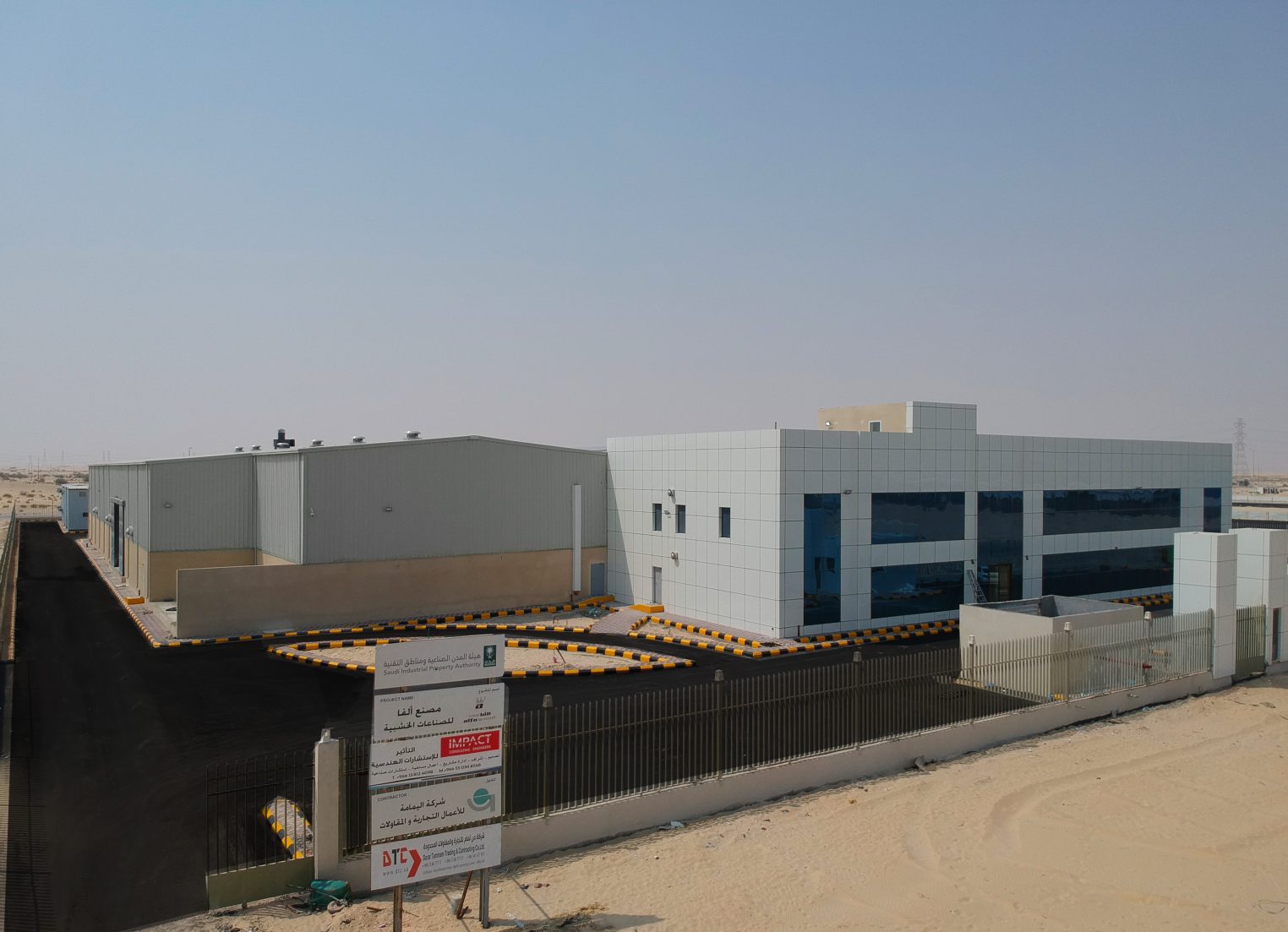
Steel structures and pre-engineered buildings (PEB) are the most effective construction choice, offering scalability, adaptability, and long-term performance.
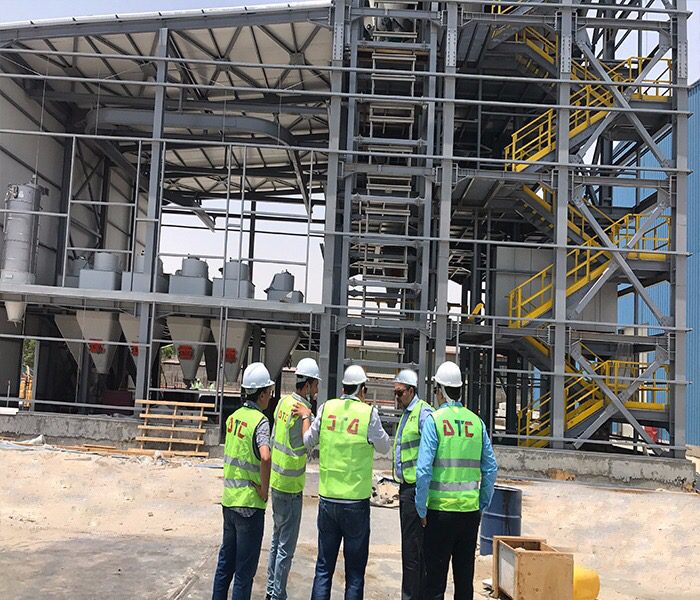
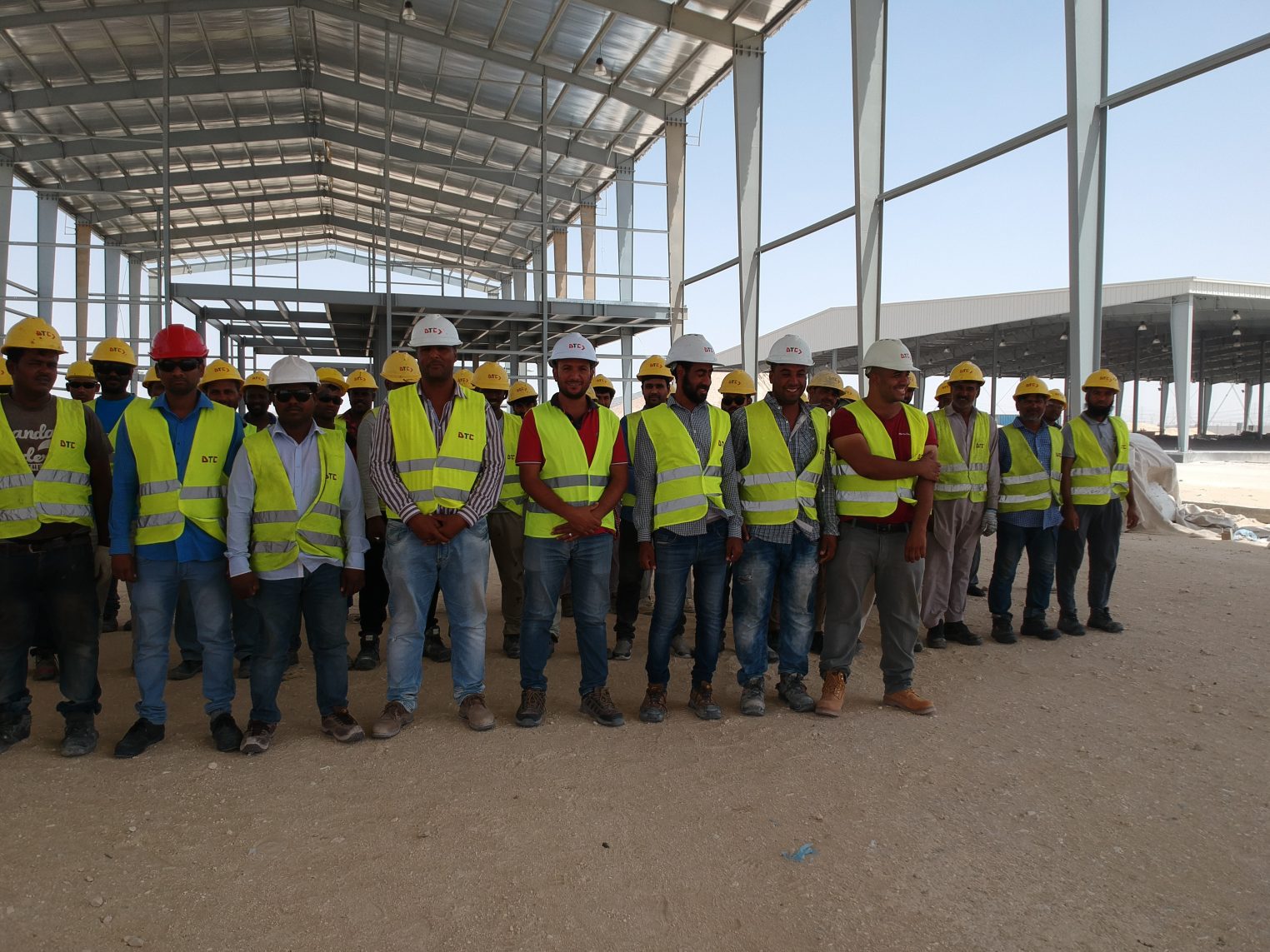
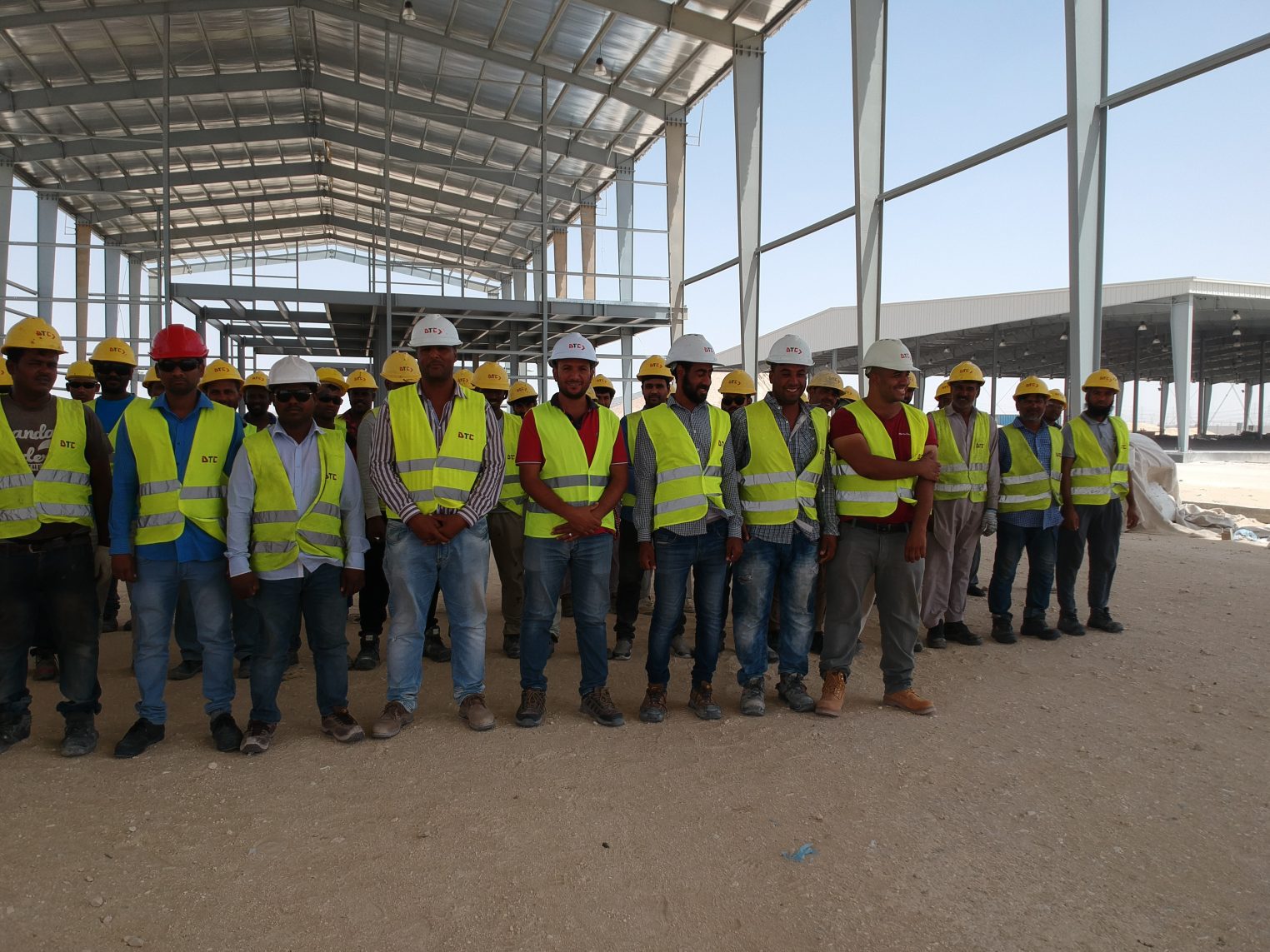
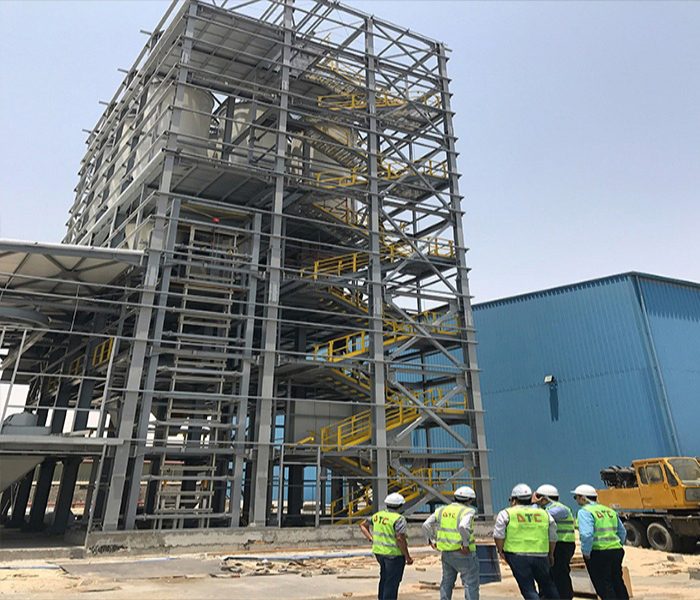
DTC, a leading construction company in Saudi Arabia, has been delivering top-quality industrial steel structures across Riyadh, Jeddah, Dammam, Khobar, and Jubail. This article provides a comprehensive insight into steel structure construction for industrial projects, highlighting benefits, applications, design standards, challenges, modern trends, and best practices.
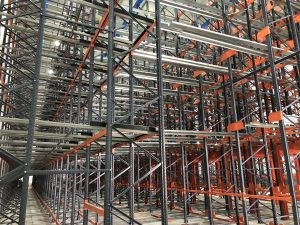
Why Steel Structure Construction is Ideal for Industrial Projects
High Strength and Load-Bearing Capacity
Steel Structure Construction offers one of the highest strength-to-weight ratios, enabling industrial buildings to support heavy machinery, storage racks, and cranes without requiring excessive structural bulk.
This feature is particularly beneficial for factories, warehouses, and logistics hubs that demand high durability and operational efficiency. Compared to traditional concrete structures, steel provides more usable space while maintaining safety and structural integrity.
Flexibility in Design and Large Clear Spans
One of the primary advantages of Steel Structure Construction is the ability to create large, column-free spaces. Open floor layouts optimize workflow, equipment arrangement, and storage capacity.
DTC ensures that all industrial designs leverage steel’s flexibility, allowing clients to customize their layouts according to current operational needs and future expansions.
Rapid Construction and Prefabrication
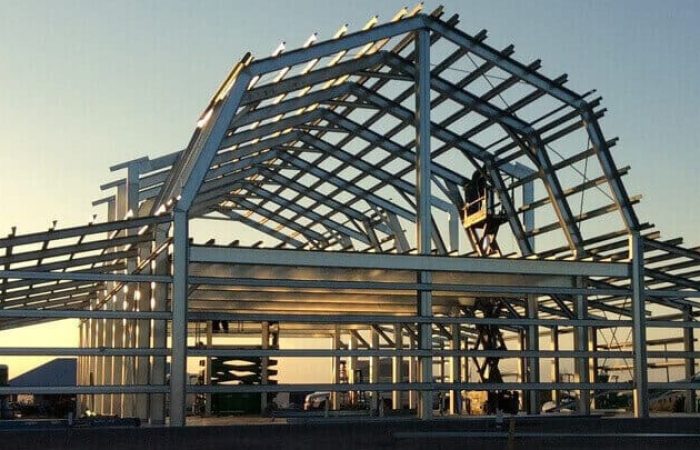
Steel Structure Construction allows for prefabrication, where steel components are manufactured offsite and assembled onsite quickly. This reduces construction time and minimizes labor requirements, which is crucial for industries with tight operational schedules.
Prefabrication also enhances quality control, as components are produced under controlled conditions, reducing errors during onsite assembly.
Adaptability for Future Expansion
Industrial operations often evolve, requiring additional space or reconfigured layouts. Steel Structure Construction supports modular and flexible designs, making it easy to expand or modify facilities without costly reconstruction.
This adaptability is a significant advantage over conventional construction, where expansions can be time-consuming and expensive.
Resistance to Harsh Environmental Conditions
Saudi Arabia’s climate poses challenges such as high temperatures, humidity, and sandstorms. Steel structures, when treated with galvanization and protective coatings, maintain their structural integrity even in harsh environments, reducing long-term maintenance costs.
Sustainability and Eco-Friendliness
Steel Structure Construction aligns with sustainable construction principles. Steel is 100% recyclable, minimizing waste and environmental impact. By using steel structures, industrial facilities can contribute to green building initiatives in line with Saudi Arabia’s Vision 2030.
Applications of Steel Structure Construction in Industrial Projects
Steel Structure Construction is highly versatile and suitable for various industrial applications:
-
Factories and Manufacturing Plants: Support heavy machinery, assembly lines, and production equipment.
-
Warehouses and Storage Facilities: Provide large, open spaces for flexible inventory management.
-
Distribution Centers and Logistics Hubs: Enable fast deployment and efficient workflow.
-
Commercial and Multi-Purpose Industrial Buildings: Steel frameworks accommodate hybrid spaces.
-
Specialized Facilities: Cold storage, food processing, aviation hangars, and chemical processing units.
In essence, any industrial project requiring strength, flexibility, and speed benefits from steel structure construction.
Advantages of Steel Structure Construction for Industrial Use
Strength and Durability
-
High load-bearing capacity ensures stability under heavy industrial operations.
-
Long-lasting structural integrity reduces maintenance and lifecycle costs.
Speed of Construction
-
Prefabricated steel components allow faster project completion.
-
Reduces operational downtime, which is critical for industrial facilities.
Design Flexibility
-
Open layouts and modular steel components support tailored industrial operations.
-
Facilitates future expansions or layout modifications with minimal disruption.
Cost Efficiency
-
Lower construction labor requirements compared to traditional concrete structures.
-
Reduced maintenance and long-term durability lower total lifecycle costs.
Sustainability
-
Steel is recyclable, supporting environmentally responsible construction.
-
Energy-efficient designs and insulation reduce operational energy consumption.
Design Standards and Engineering Practices
Steel Structure Construction requires strict adherence to design standards and best practices to ensure safety, durability, and efficiency:
Load Calculations
Design engineers at DTC account for:
-
Dead Loads: Weight of the steel structure and permanent fixtures.
-
Live Loads: Machinery, inventory, personnel, and equipment.
-
Environmental Loads: Wind, seismic activity, thermal expansion, and sandstorms.
Material Selection
High-quality steel with anti-corrosion coatings is used to withstand Saudi Arabia’s climate. Bolts, welds, and fasteners are carefully selected to ensure structural stability and safety.
Integration with Mechanical, Electrical, and Plumbing (MEP) Systems
Modern industrial facilities require seamless integration of MEP systems. DTC coordinates structural and system designs early, reducing conflicts and ensuring efficient operations.
Prefabrication and Quality Control
Steel components are manufactured in controlled environments using CNC cutting and welding. Each piece undergoes rigorous quality inspection before shipment to the site.
Onsite Assembly and Safety
Components are assembled using cranes and alignment tools with strict adherence to safety protocols, ensuring proper erection without compromising worker safety.
Fire Resistance and Corrosion Protection
Fireproof coatings protect steel against high temperatures, while galvanization prevents corrosion, ensuring long-term structural reliability in humid or coastal environments.
Sustainability Features
-
Energy-efficient insulation, reflective roofing, and eco-friendly construction materials reduce energy use.
-
Supports sustainable industrial practices and aligns with Saudi Arabia’s environmental policies.
Challenges in Steel Structure Construction and DTC Solutions
| Challenge | DTC Solution |
|---|---|
| High initial material costs | Long-term savings via reduced maintenance and faster project delivery. |
| Corrosion in humid or coastal areas | Use of galvanized steel and protective coatings. |
| Transportation of large prefabricated components | Detailed logistics planning and specialized equipment. |
| Skilled labor shortage | Experienced construction teams and engineering supervision. |
| Compliance with Saudi codes (SBC, Civil Defense) | Full adherence to local and international construction standards. |
Modern Trends in Steel Structure Construction
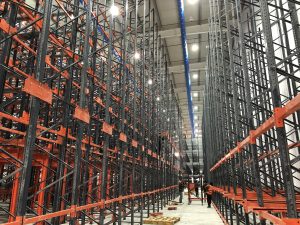
Pre-Engineered Buildings (PEB)
PEBs use prefabricated steel components for rapid industrial construction. They are cost-effective, scalable, and ideal for factories, warehouses, and logistics centers.
Building Information Modeling (BIM)
BIM allows engineers to visualize 3D models of the steel structure, integrating architectural, structural, and MEP systems. This reduces design conflicts and construction errors.
Sustainable and Energy-Efficient Design
Reflective roofs, energy-efficient insulation, and recyclable steel are increasingly used to create environmentally friendly industrial buildings.
Industrial Modernization
Steel structures support modern industrial needs, including automation, heavy machinery, and smart logistics, while remaining adaptable for future upgrades.
Best Practices for Industrial Steel Structure Construction
-
Comprehensive Planning and Load Assessment: Evaluate dead, live, and environmental loads.
-
High-Quality Material Procurement: Use certified, corrosion-resistant, and fireproof steel.
-
MEP Integration Using BIM: Reduce design conflicts and ensure operational efficiency.
-
Prefabrication with Quality Control: Manufacture components offsite under controlled conditions.
-
Skilled Onsite Erection and Safety Protocols: Ensure precise assembly and worker protection.
-
Future Expansion Consideration: Design flexibility for future modifications and growth.
Why Choose DTC for Steel Structure Construction?
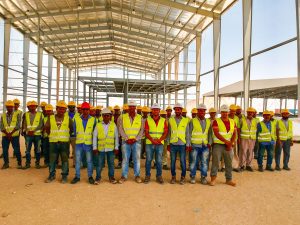
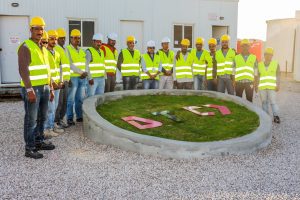
DTC offers end-to-end solutions for industrial steel projects in Saudi Arabia:
-
Turnkey Projects: From conceptual design to final assembly.
-
Code Compliance: Saudi Building Code (SBC) and international standards.
-
Adaptation to Local Climate: Heat, humidity, wind, and sandstorm considerations.
-
Rapid Project Delivery: Prefabrication and skilled installation teams.
-
Sustainable Construction: Recyclable materials, energy efficiency, and eco-friendly design.
The Future of Steel Structure Construction in Saudi Arabia
Steel structures will remain integral to industrial expansion in Saudi Arabia due to:
-
PEBs for rapid facility deployment.
-
BIM-integrated design and construction.
-
Sustainable and energy-efficient industrial buildings.
-
Flexible infrastructure for automation and advanced manufacturing.
Future Outlook for Steel Structure Projects
Steel Structure Construction provides unmatched benefits for industrial projects in Saudi Arabia, including strength, durability, flexibility, speed, and sustainability.
DTC combines industry expertise, advanced design practices, and premium materials to deliver state-of-the-art industrial steel structures across Riyadh, Jeddah, Dammam, Khobar, and Jubail.
For businesses seeking efficient, scalable, and future-ready industrial infrastructure, DTC’s steel structure solutions are the ultimate choice.
Contact DTC today to discuss your industrial steel structure project and leverage decades of experience in delivering high-quality, sustainable industrial facilities.