
Steel Structure Construction in Saudi Arabia: Trends, Benefits, and Opportunities
Saudi Arabia is undergoing a construction boom, driven by Vision 2030, industrial growth, and mega-projects across the Kingdom. One of the fastest-growing sectors is steel structure construction, which has become the go-to choice for industrial, commercial, and logistical buildings. With durability, speed, and cost-efficiency, steel structures are ideal for the Kingdom’s unique climate and ambitious development goals.
1. Understanding Steel Structure Construction
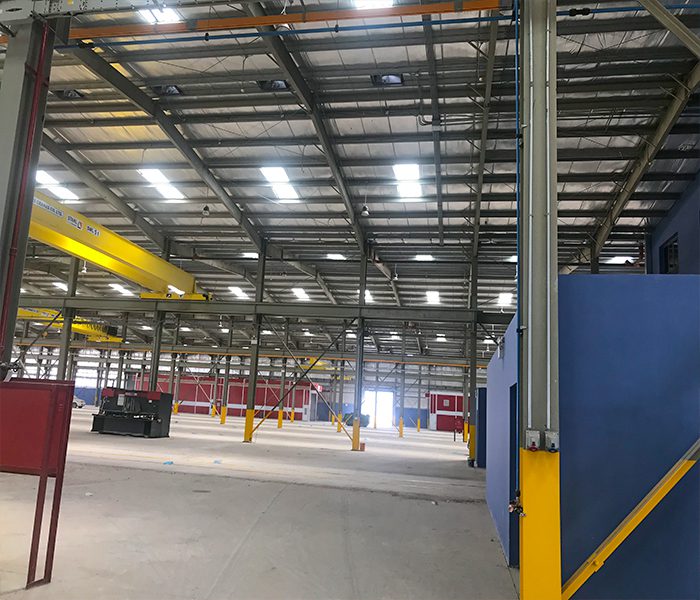
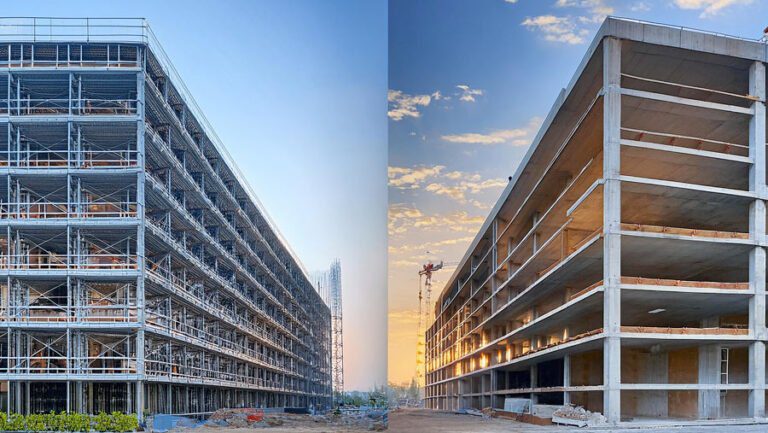
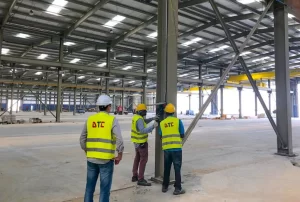
Steel structure construction uses structural steel elements such as beams, columns, and trusses to create buildings. Unlike traditional concrete structures, steel structures are prefabricated, enabling faster assembly on-site.
Key benefits of steel structures:
-
High strength-to-weight ratio
-
Flexibility in design
-
Large-span capabilities for warehouses and factories
-
Durability in harsh weather conditions
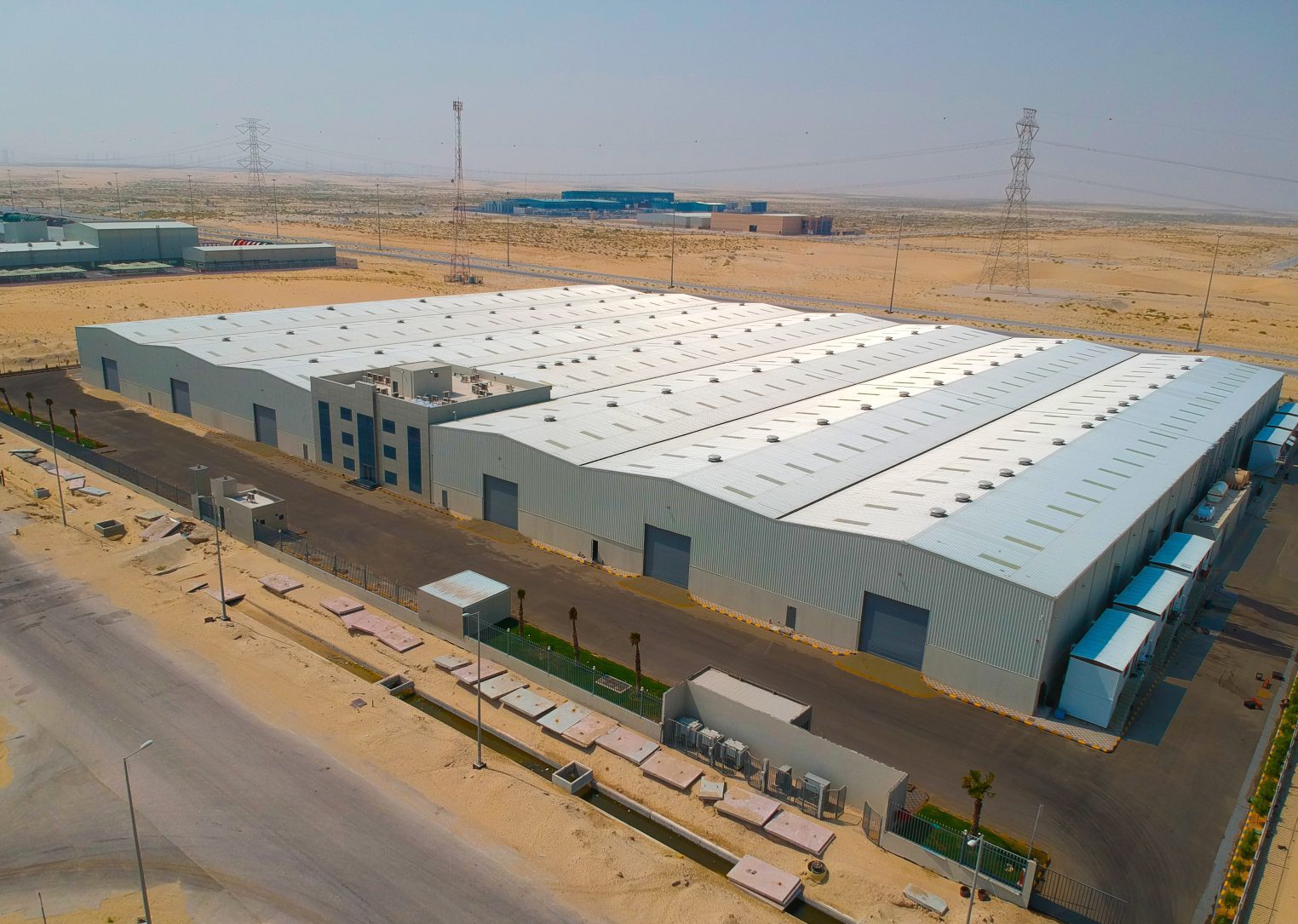
Steel structures are widely used in warehouses, factories, workshops, logistics hubs, and commercial buildings across cities like Riyadh, Jeddah, Dammam, Khobar, Dhahran, Jubail, and Al Khafji.
2. Why Steel Structures Are Popular in Saudi Arabia
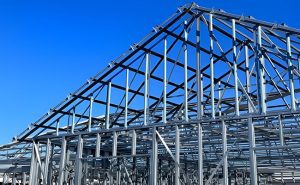
Saudi Arabia’s unique environment and rapid industrialization make steel construction an ideal choice. Here’s why:
2.1 Speed of Construction
Prefabricated steel components reduce construction time significantly, allowing businesses to start operations faster.
2.2 Durability
Steel structures withstand extreme heat, sandstorms, and humidity in coastal areas, making them perfect for Eastern Region cities like Dammam, Al Khobar, and Jubail.
2.3 Cost Efficiency
Although initial material costs may be higher than concrete, steel reduces labor, maintenance, and construction time costs, delivering excellent long-term value.
2.4 Design Flexibility
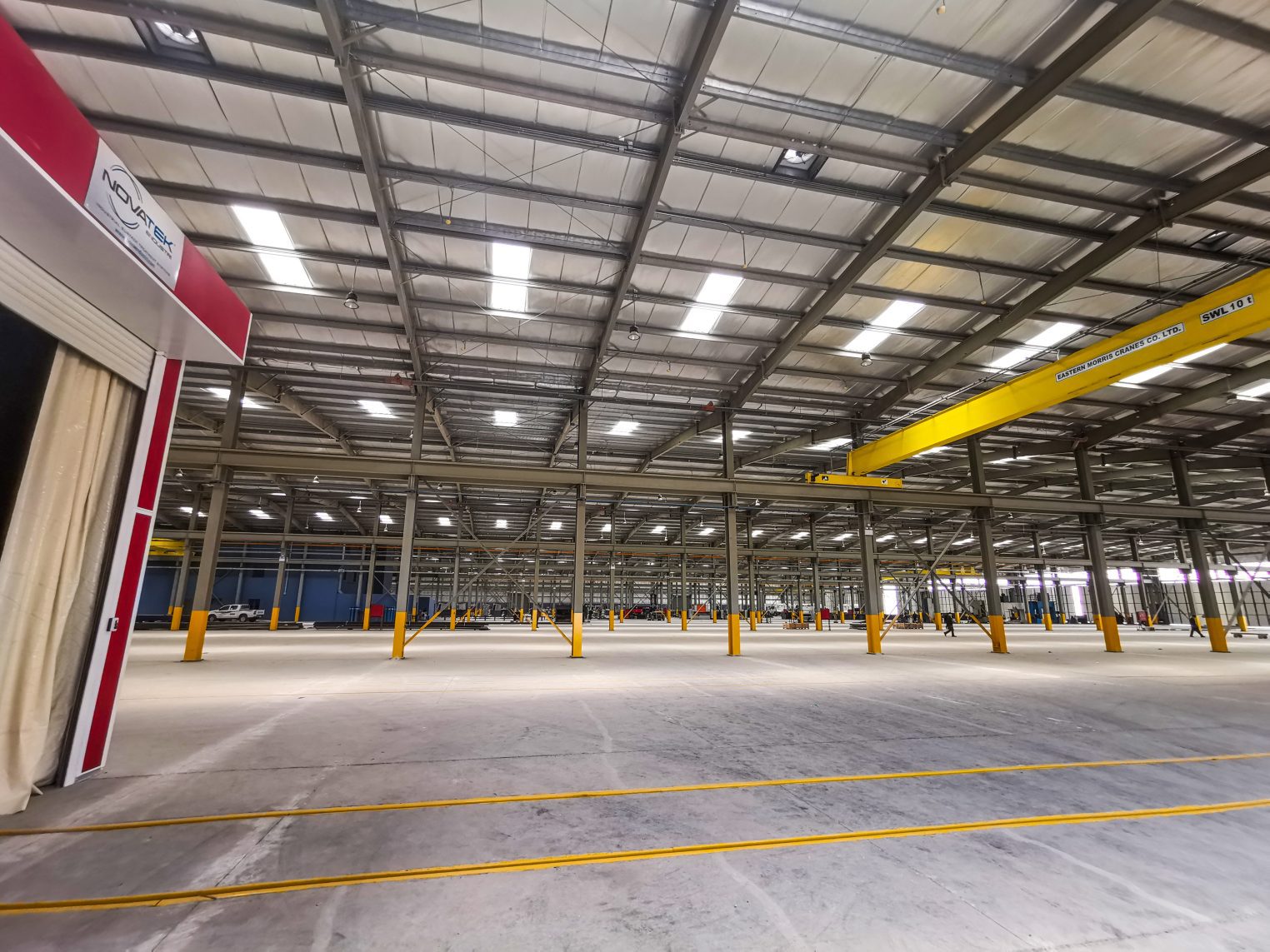
Steel enables large open spaces, high ceilings, and multi-story buildings, making it ideal for warehouses, logistics hubs, and industrial plants.
2.5 Sustainability
Steel is recyclable, supporting Saudi Arabia’s green construction initiatives and environmental goals.
3. Key Applications of Steel Structures in Saudi Arabia
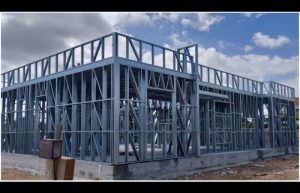
Steel structures are highly versatile and widely used across the Kingdom:
3.1 Industrial Warehouses
Warehouses in Dammam, Jubail, and Riyadh are increasingly built using steel frames. Benefits include:
-
Open floor plans
-
High ceilings for storage optimization
-
Easy integration with automated systems
3.2 Factories and Production Facilities
Steel structures support heavy machinery and industrial operations. Locations such as Jubail Industrial City and Dammam see high demand for steel-based factories due to industrial expansion.
3.3 Commercial Buildings
Retail centers, showrooms, and exhibition halls benefit from steel framing, which allows clear spans and aesthetic flexibility, especially in cities like Riyadh and Jeddah.
3.4 Workshops and Maintenance Facilities
Steel is preferred for workshops in Dhahran and Khobar, allowing large spans for cranes, hoists, and equipment.
3.5 Cold Storage and Food Processing
Cities in the Eastern Province are hubs for food processing and cold storage facilities. Steel buildings ensure temperature control and durability, essential for sensitive products.
3.6 Oil & Gas Sector
The Eastern Region, especially Dammam, Dhahran, and Al Khobar, hosts numerous oil and gas facilities. Steel structures are used for:
-
Pipe racks
-
Platforms
-
Equipment sheds
-
Workshops
4. Design Considerations for Steel Structures in Saudi Arabia
Designing a steel structure involves careful planning to meet structural, safety, and climatic requirements.
4.1 Compliance With Saudi Building Codes
All structures must follow the Saudi Building Code (SBC), which includes:
-
Load-bearing capacity standards
-
Fire safety requirements
-
Civil Defense approvals
4.2 Structural Load Calculations
Engineers must consider:
-
Dead loads (weight of the structure)
-
Live loads (equipment, people, and materials)
-
Wind loads, especially in coastal cities like Dammam and Khobar
-
Seismic activity considerations
4.3 Material Selection
-
ASTM-certified steel
-
High-strength bolts and welds
-
Protective coatings and galvanization for corrosion resistance
4.4 Prefabrication
Prefabricated components improve quality control, speed, and safety.
4.5 Fire Safety and Civil Defense
Fireproofing and heat-resistant coatings are mandatory in cities like Jeddah and Riyadh to comply with local regulations.
5. Fabrication and Erection Process
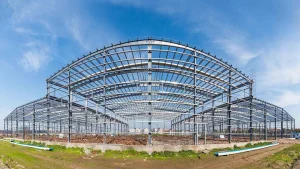
Construction of steel structures has two main phases: fabrication and erection.
5.1 Fabrication
-
CNC cutting and drilling for precision
-
Welding with quality control measures
-
Galvanization and protective coating
-
Factory Acceptance Tests before shipment
5.2 Erection
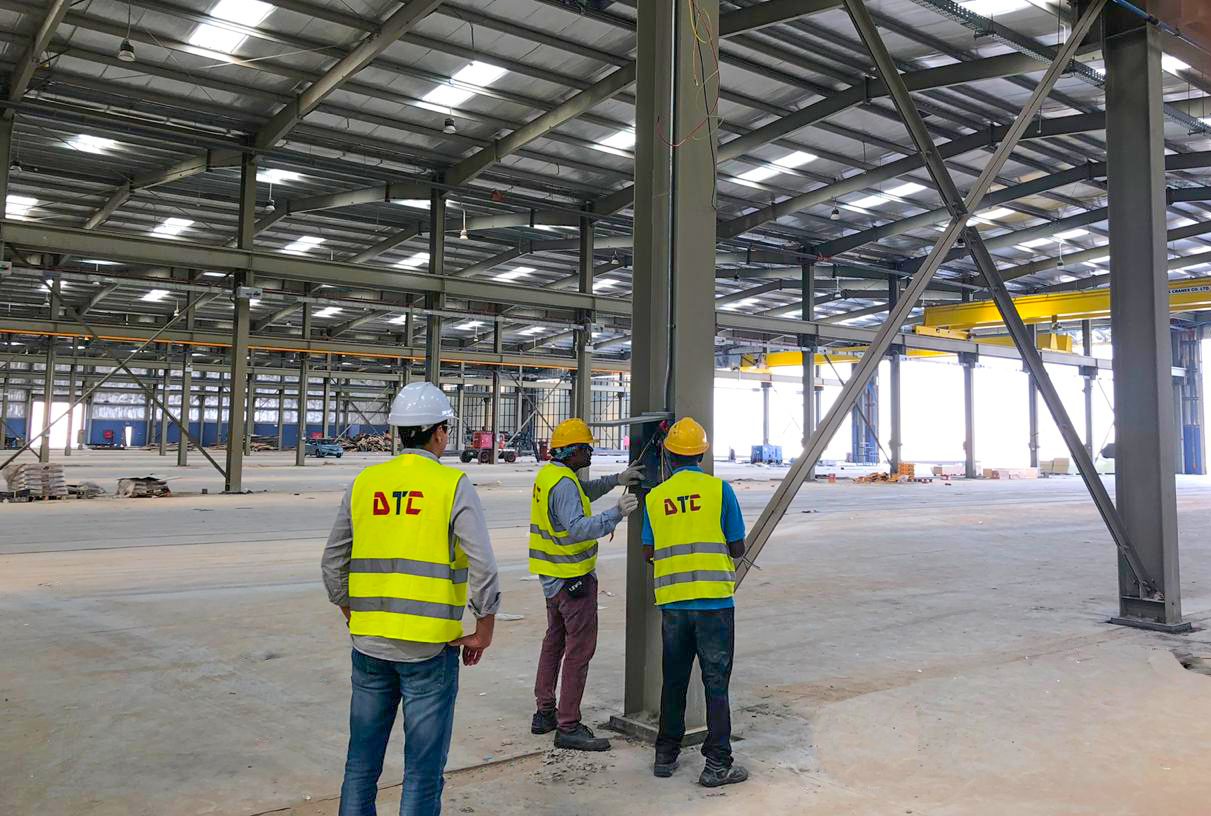
-
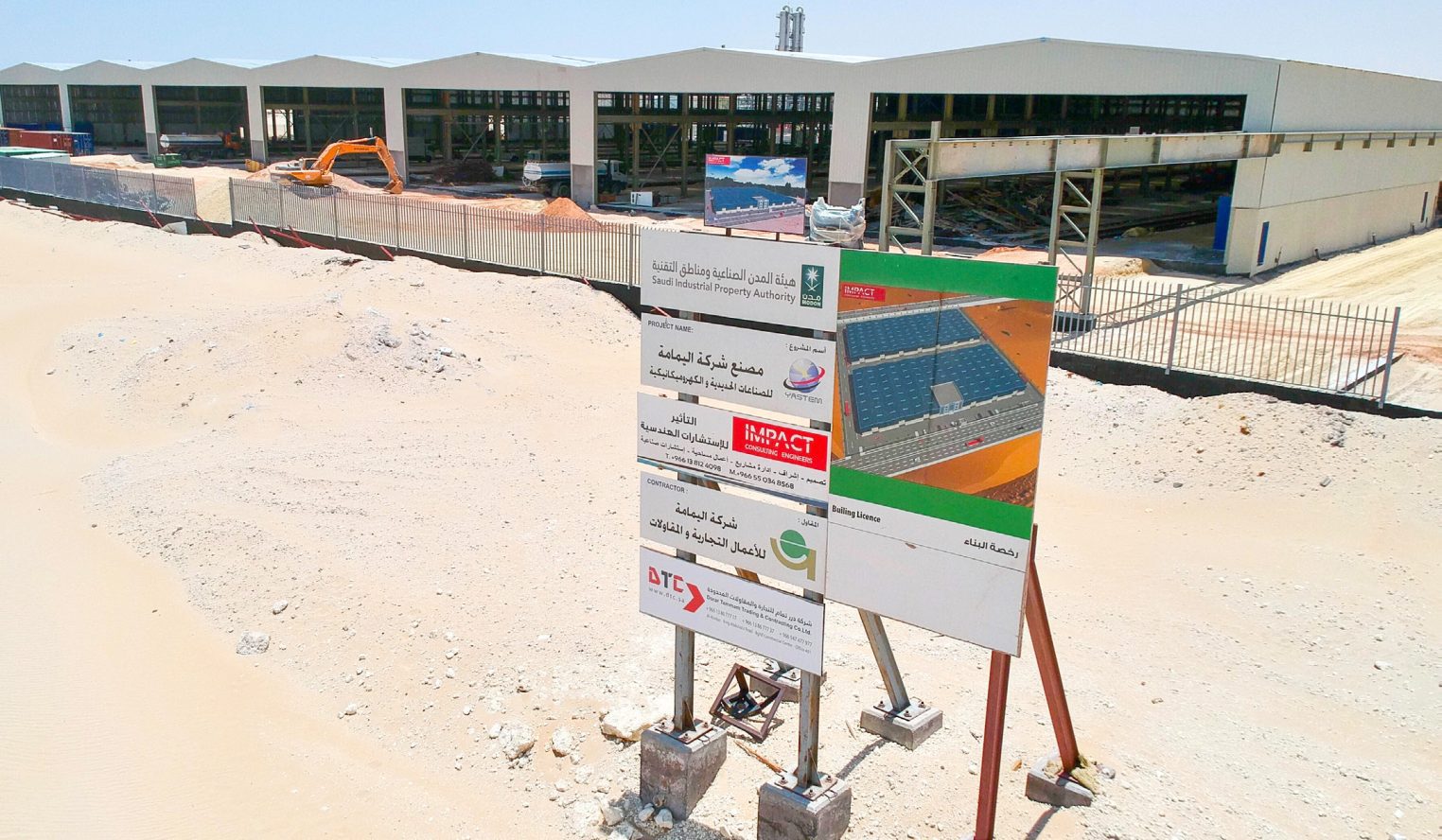
Site preparation, alignment, and leveling
-
Safe lifting using cranes
-
Bolt and weld assembly
-
Continuous inspection and safety monitoring
Proper coordination ensures timely, high-quality, and safe project delivery.
6. Steel Structure in the Saudi Eastern Region
The Eastern Region (Dammam, Khobar, Dhahran, Jubail) is a hub for industrial and oil & gas activities. Steel construction is particularly beneficial here because:
-
Corrosion-resistant coatings protect against humid coastal conditions
-
Large open spaces accommodate heavy machinery
-
Fast construction is crucial for industrial timelines
-
Durability ensures long-lasting facilities
7. Emerging Trends in Saudi Steel Construction
Saudi Arabia is adopting modern techniques in steel construction:
7.1 Pre-Engineered Buildings (PEB)
PEB systems are cost-effective, flexible, and allow fast-track construction, ideal for industrial facilities in the Eastern Province.
7.2 Building Information Modeling (BIM)
BIM helps in 3D visualization, clash detection, and project coordination, reducing errors and improving efficiency.
7.3 Sustainable Construction
Steel is recyclable and can be designed for energy efficiency, aligning with Saudi Arabia’s sustainability goals.
7.4 Smart Industrial Integration
Steel structures now accommodate:
-
Automated warehouses
-
Heavy industrial machinery
-
High-tech production lines
8. Challenges in Steel Structure Construction in Saudi Arabia
Despite advantages, there are challenges to address:
-
High initial material costs
-
Corrosion risks in humid areas
-
Transporting large prefabricated components
-
Requirement for skilled workforce
-
Compliance with Civil Defense and municipality regulations
Experienced contractors mitigate these risks to deliver long-lasting structures.
9. Cost Factors for Steel Structures
The cost depends on:
-
Steel material grade and thickness
-
Building size and height
-
Fabrication complexity
-
Site preparation and foundation
-
Transportation logistics
-
Installation and labor
-
Protective coatings and fireproofing
Long-term savings in maintenance, energy efficiency, and operational speed often outweigh upfront costs.
10. Cities Driving Steel Structure Growth in Saudi Arabia
Steel construction demand is strong across the Kingdom, especially in:
Riyadh
-
Commercial and industrial expansion
-
Warehouses, factories, and retail centers
Jeddah
-
Logistics hubs and retail complexes
-
Coastal considerations for corrosion protection
Eastern Region (Dammam, Khobar, Dhahran, Jubail)
-
Industrial cities and oil & gas facilities
-
Factories, workshops, and large warehouses
-
Cold storage and logistics centers
Other Key Cities
-
Makkah and Madinah: Pilgrimage-related facilities
-
Al Khafji and Ras Tanura: Oil & gas infrastructure
The Eastern Region leads in industrial steel construction, thanks to its strategic location near ports, industrial zones, and oil facilities.
11. Choosing the Right Steel Structure Contractor in Saudi Arabia
When selecting a contractor, consider:
-
Experience in industrial, commercial, and PEB projects
-
Compliance with SBC and Civil Defense regulations
-
Turnkey solutions from design to handover
-
Transparent communication and progress reporting
-
Safety and HSE compliance
-
Ability to work in Eastern Region climates and industrial zones
A trusted contractor ensures quality, timely delivery, and long-term durability.
12. Future Opportunities
Saudi Arabia’s Vision 2030 and mega projects offer huge opportunities:
-
NEOM and Red Sea development projects
-
Industrial city expansions (Jubail, Yanbu)
-
Logistics and warehousing growth for e-commerce
-
Food processing and cold storage facilities
-
Oil & Gas support structures and platforms
Steel structures remain essential for fast, flexible, and durable construction.
13. Influence in KSA
Steel structure construction is rapidly shaping Saudi Arabia’s industrial, commercial, and infrastructural development. With speed, durability, flexibility, and sustainability, steel buildings are perfect for warehouses, factories, workshops, commercial spaces, and logistics hubs.
Cities like Riyadh, Jeddah, Dammam, Khobar, Dhahran, and Jubail are leading this growth, particularly in the Eastern Region, where industrial and oil & gas activities dominate.
Investors, developers, and contractors can benefit from understanding the advantages, design considerations, fabrication methods, and trends in steel construction. By choosing experienced contractors and modern techniques, clients can ensure quality, timely delivery, and cost-effective projects across Saudi Arabia.
The future of steel construction in the Kingdom is strong, sustainable, and full of opportunities for businesses, industries, and investors alike.