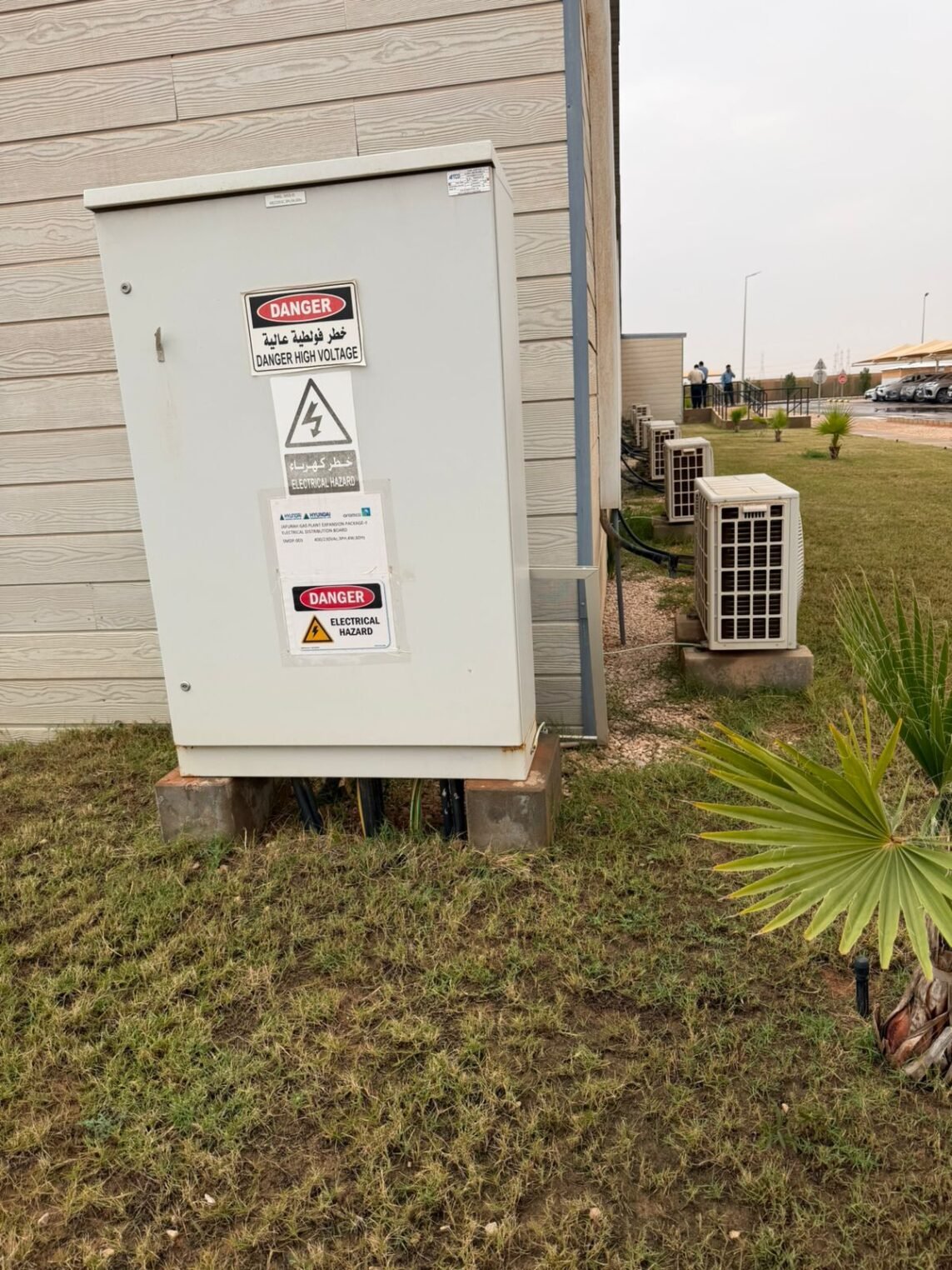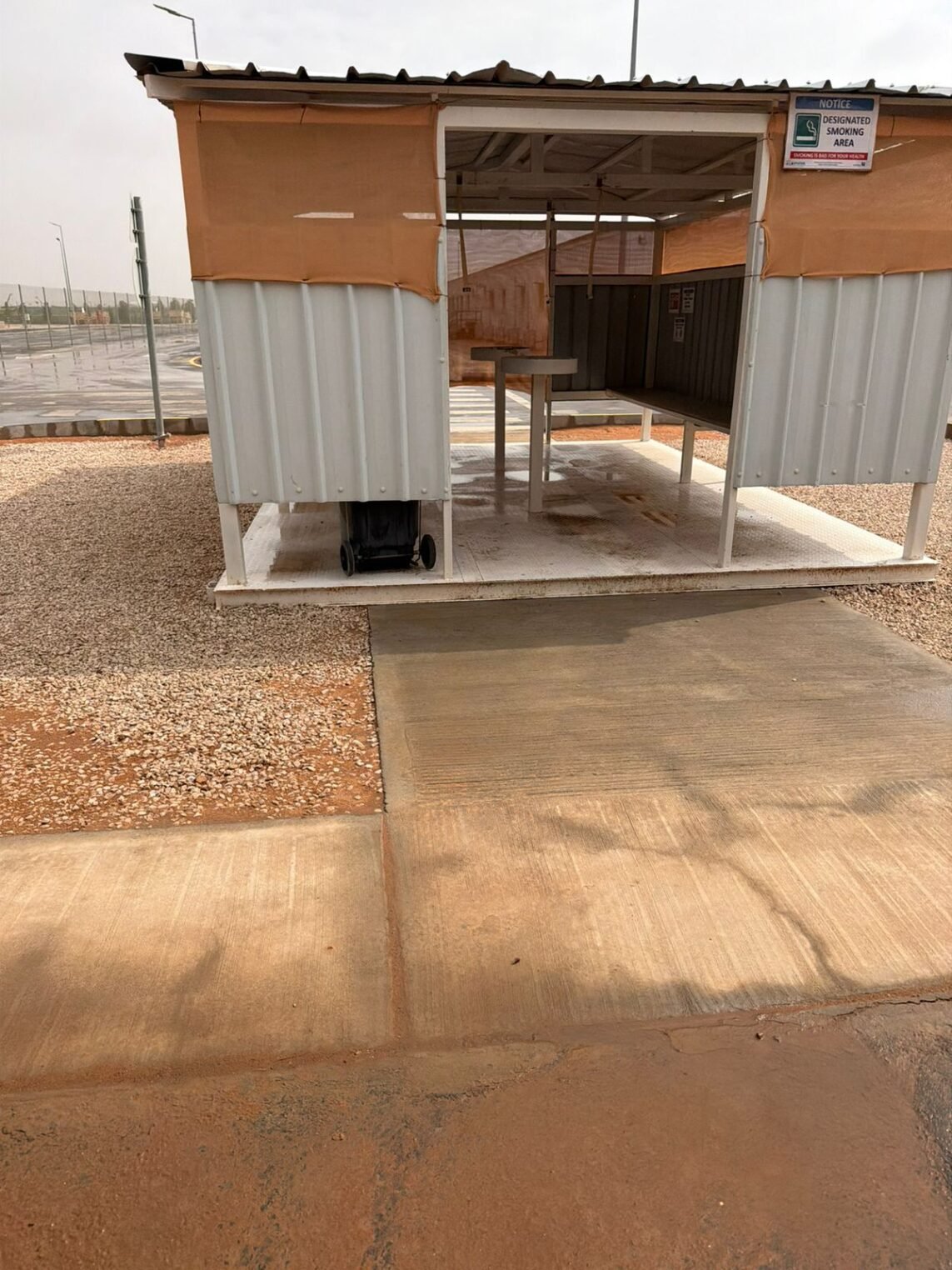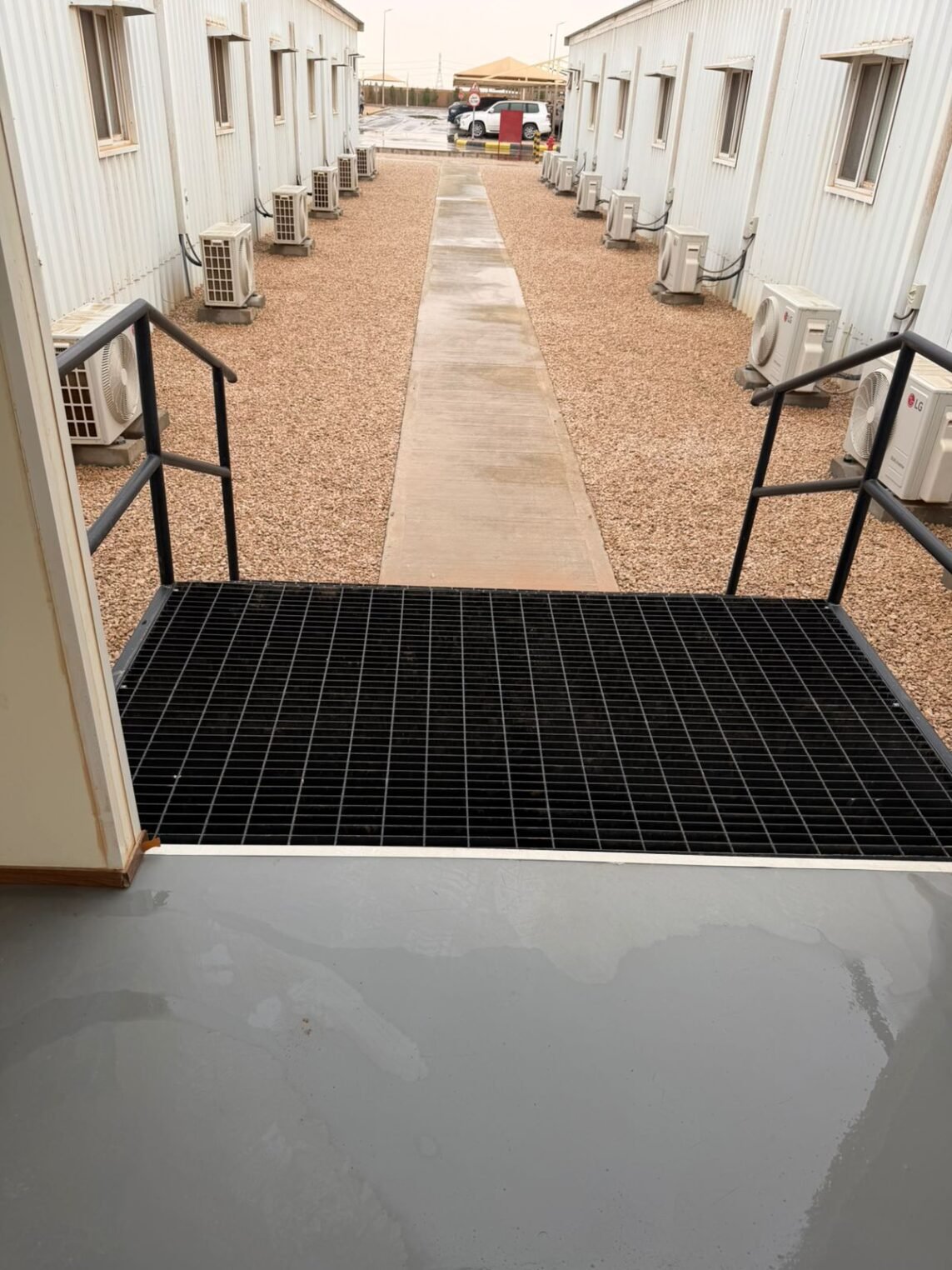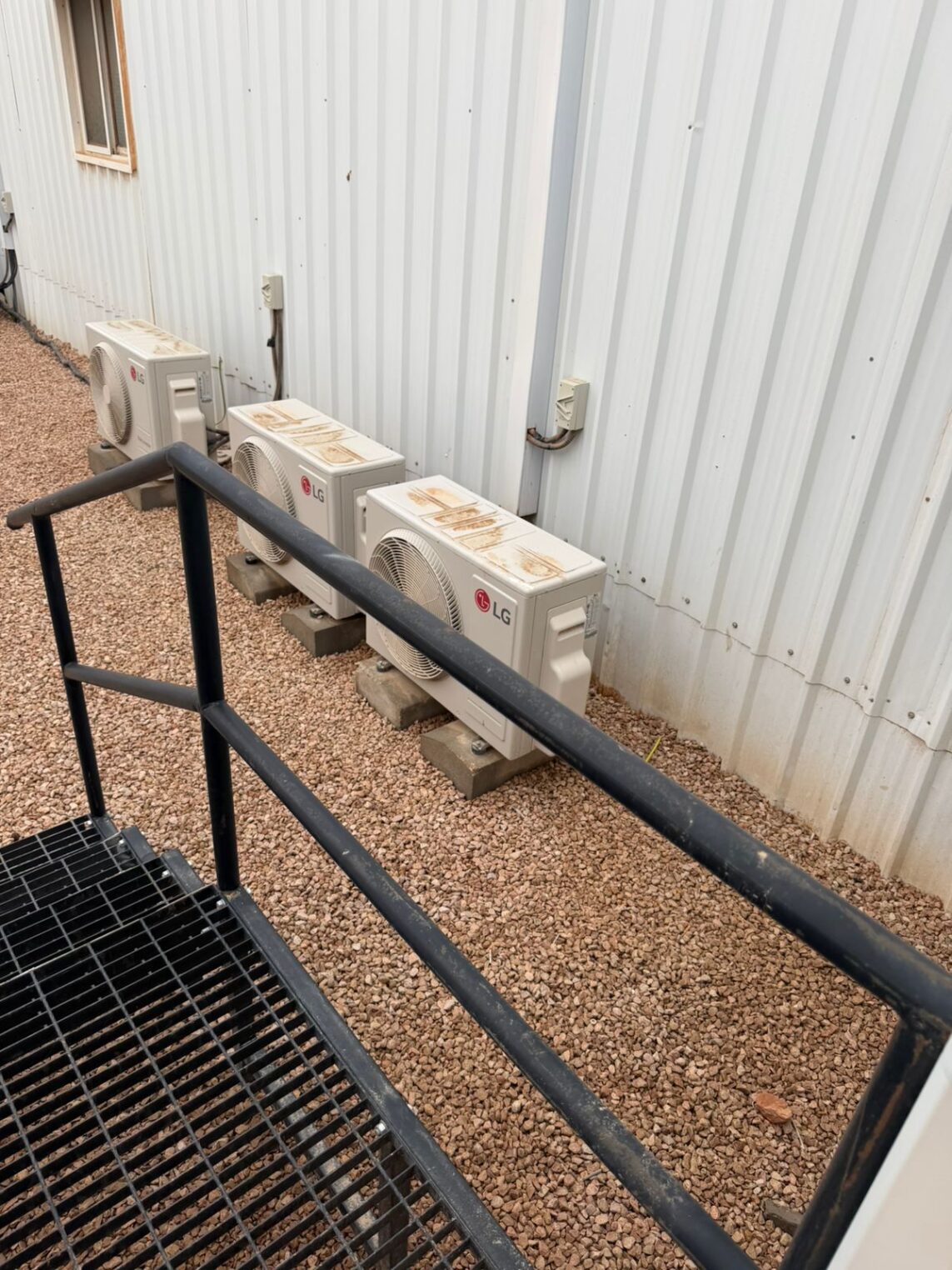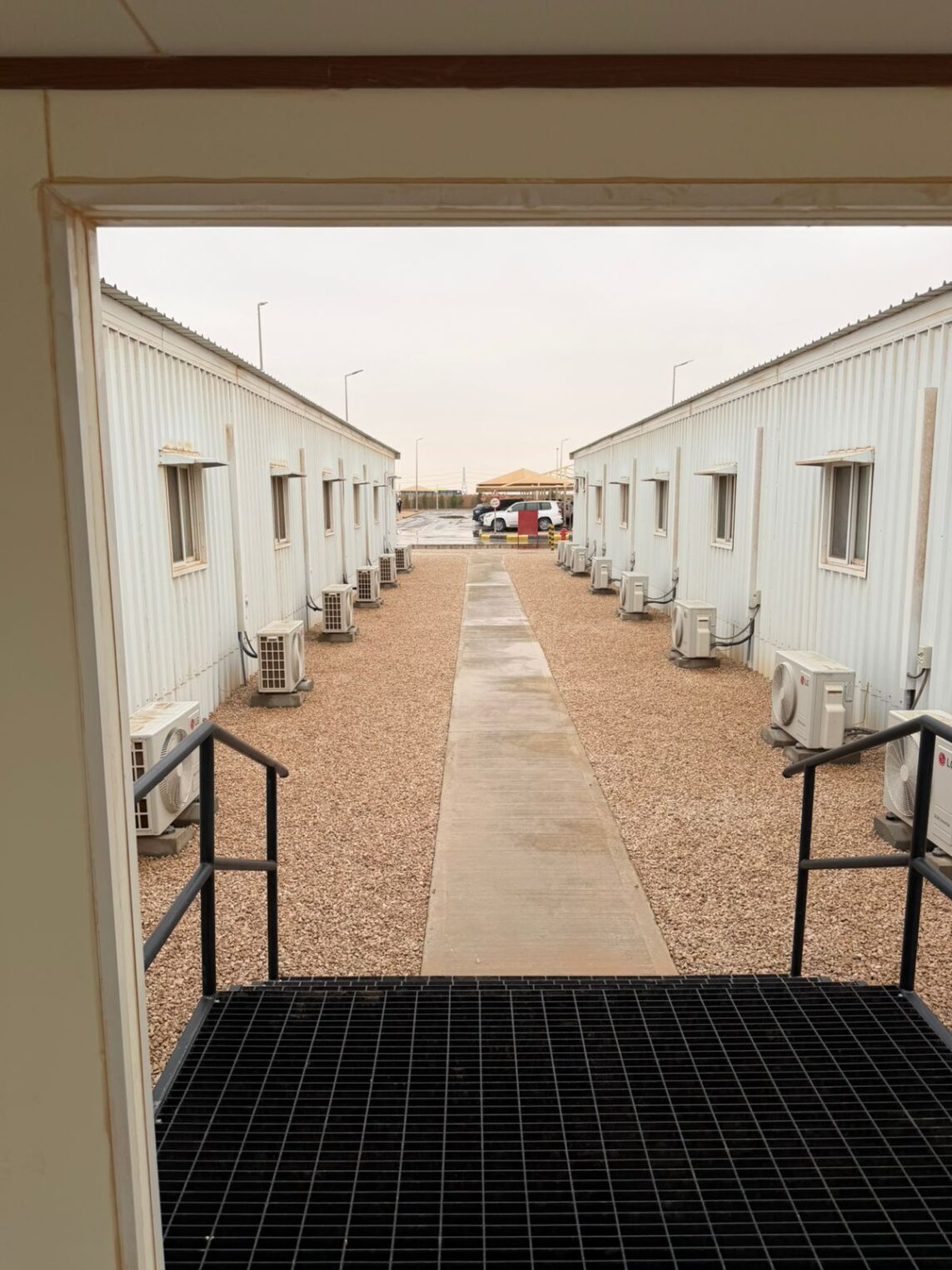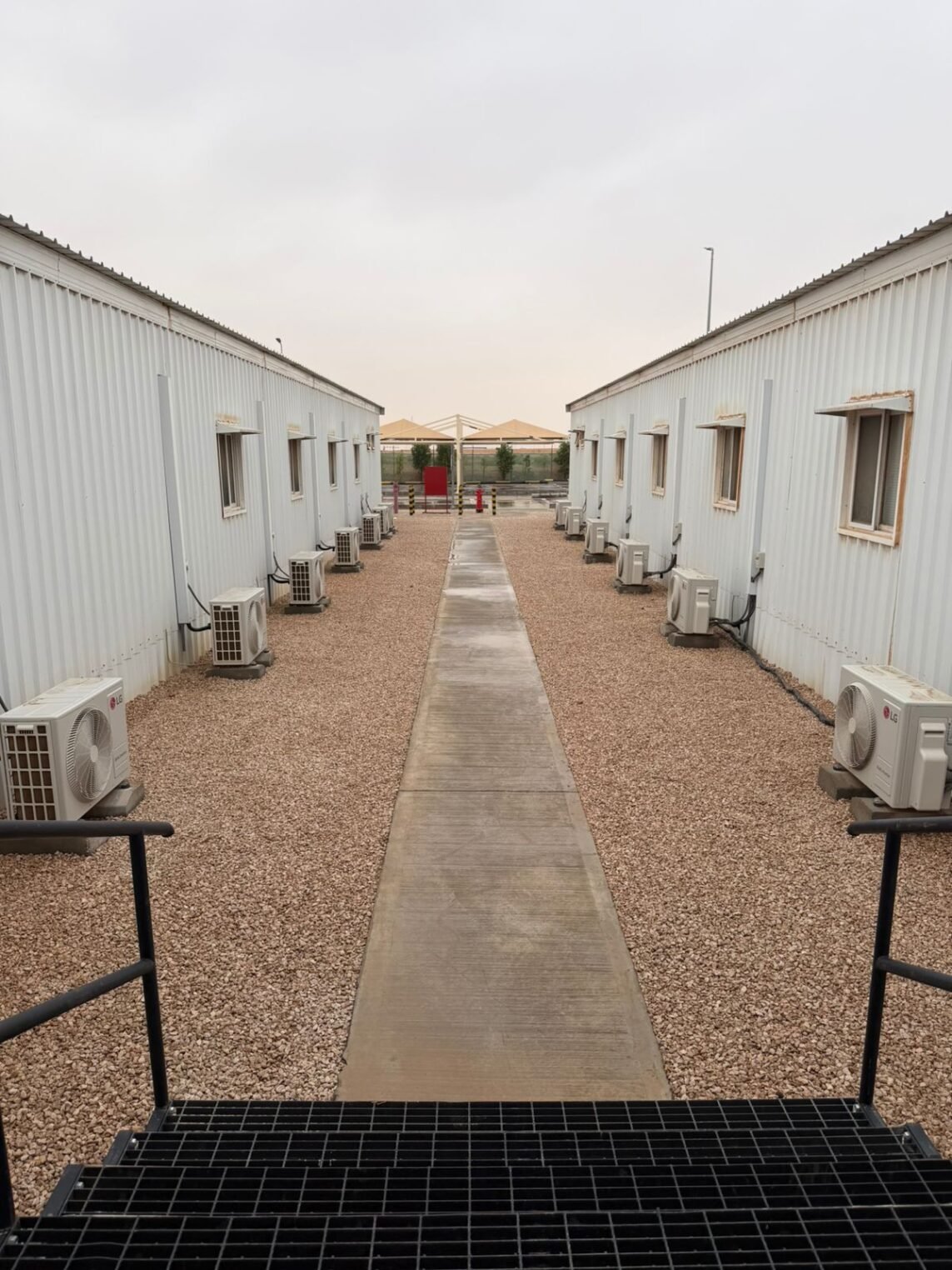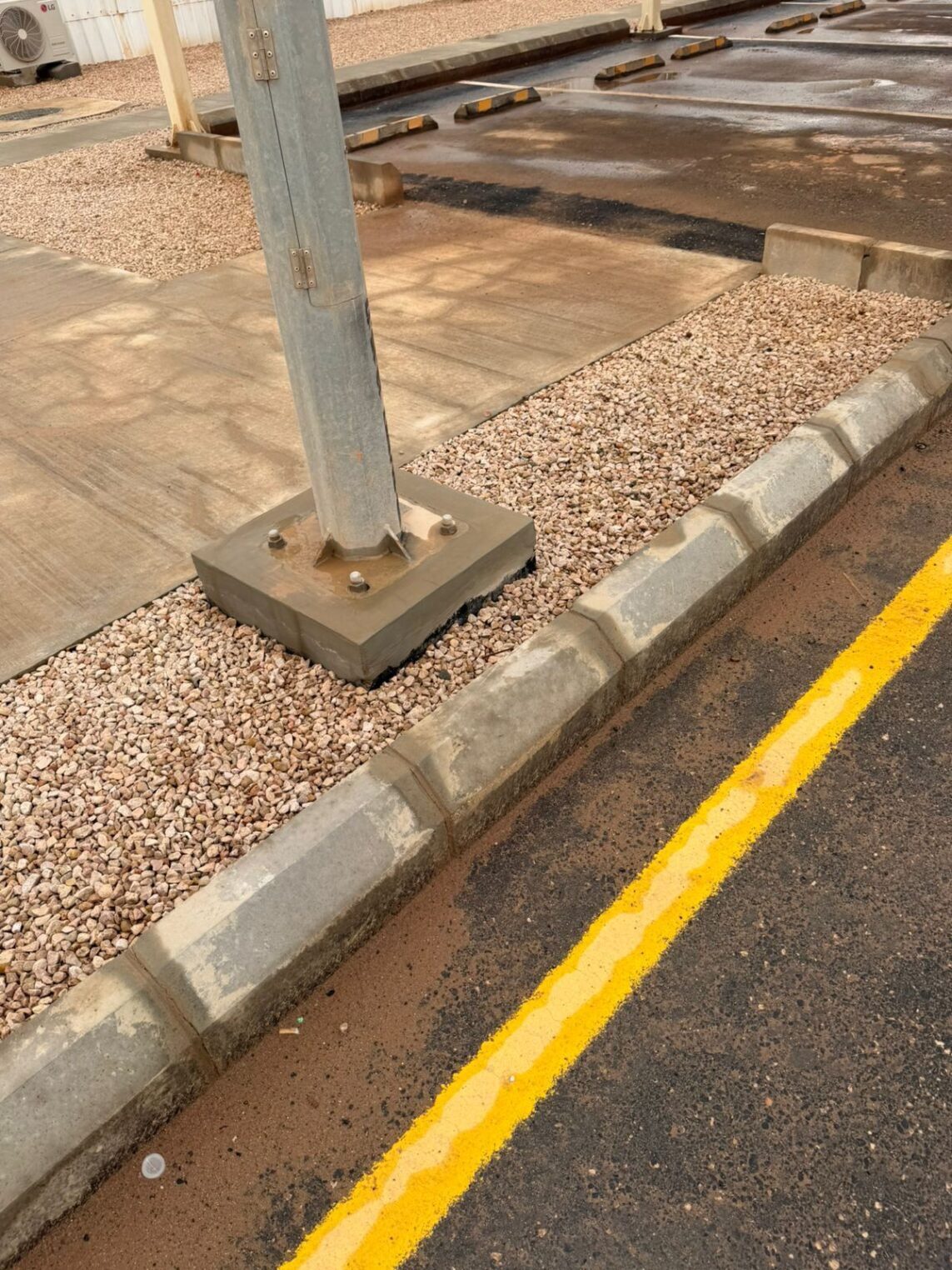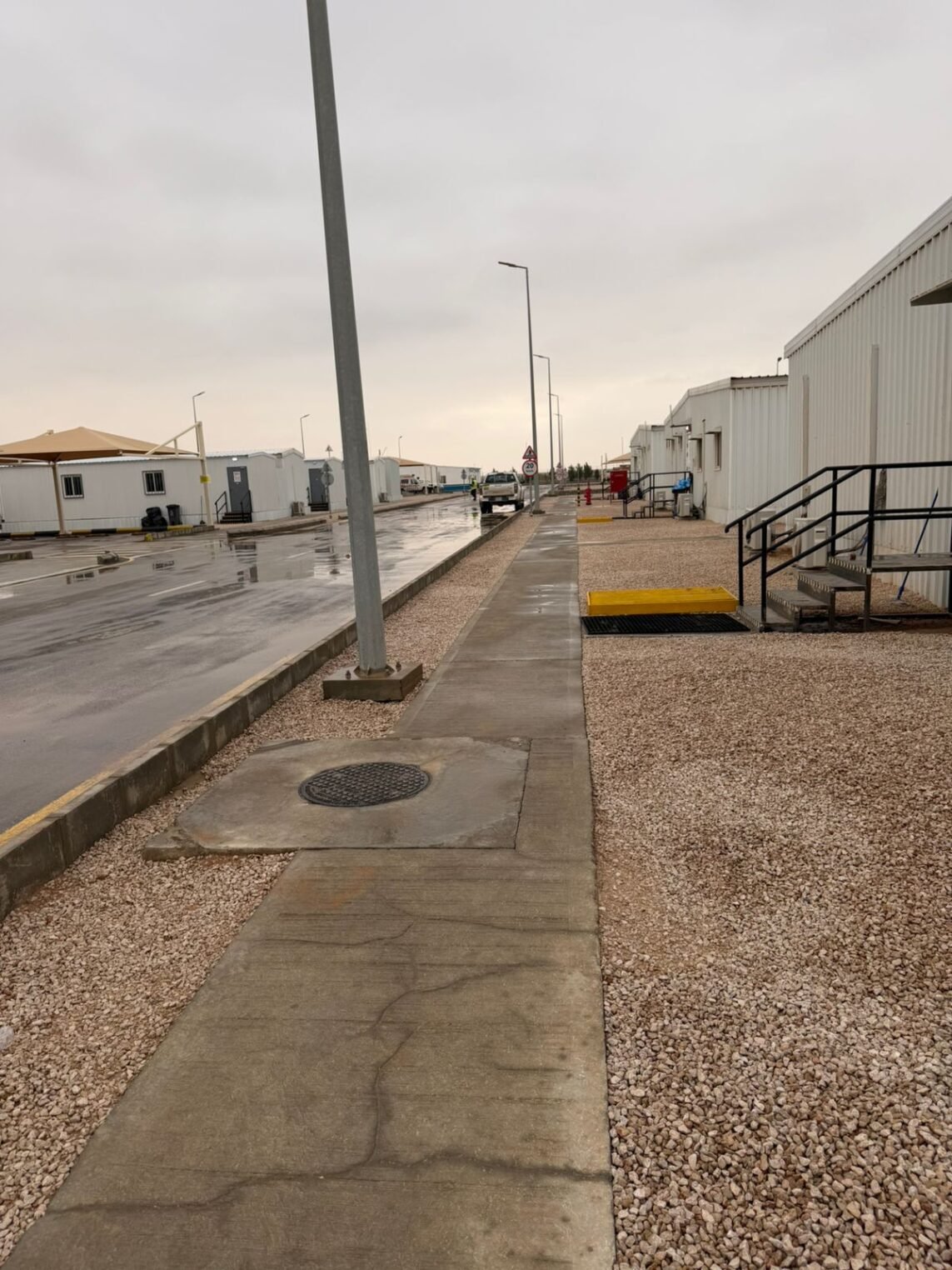
Contractor Site Facility Management in Saudi Arabia
Construction projects in Saudi Arabia are becoming increasingly large, complex, and technologically advanced. From industrial plants and mega infrastructure developments to residential cities and energy projects, successful project delivery depends on more than engineering and construction expertise. One of the most critical supporting functions is contractor site facility management.
Site facility management ensures that all temporary infrastructure, logistics systems, workforce accommodations, utilities, and operational support services at a construction site function efficiently throughout the project lifecycle.
At DTC General Contracting, contractor site facility management is treated as a strategic component of project execution. Properly managed facilities improve productivity, enhance safety, support workforce welfare, and ensure construction activities proceed without disruption.
This article explores contractor site facility management in Saudi Arabia, its importance, core components, best practices, and how professional contractors deliver efficient site infrastructure management for large-scale projects.
Understanding Contractor Site Facility Management
Contractor site facility management refers to the planning, development, operation, and maintenance of temporary infrastructure and services required to support construction activities on a project site.
These facilities include:
-
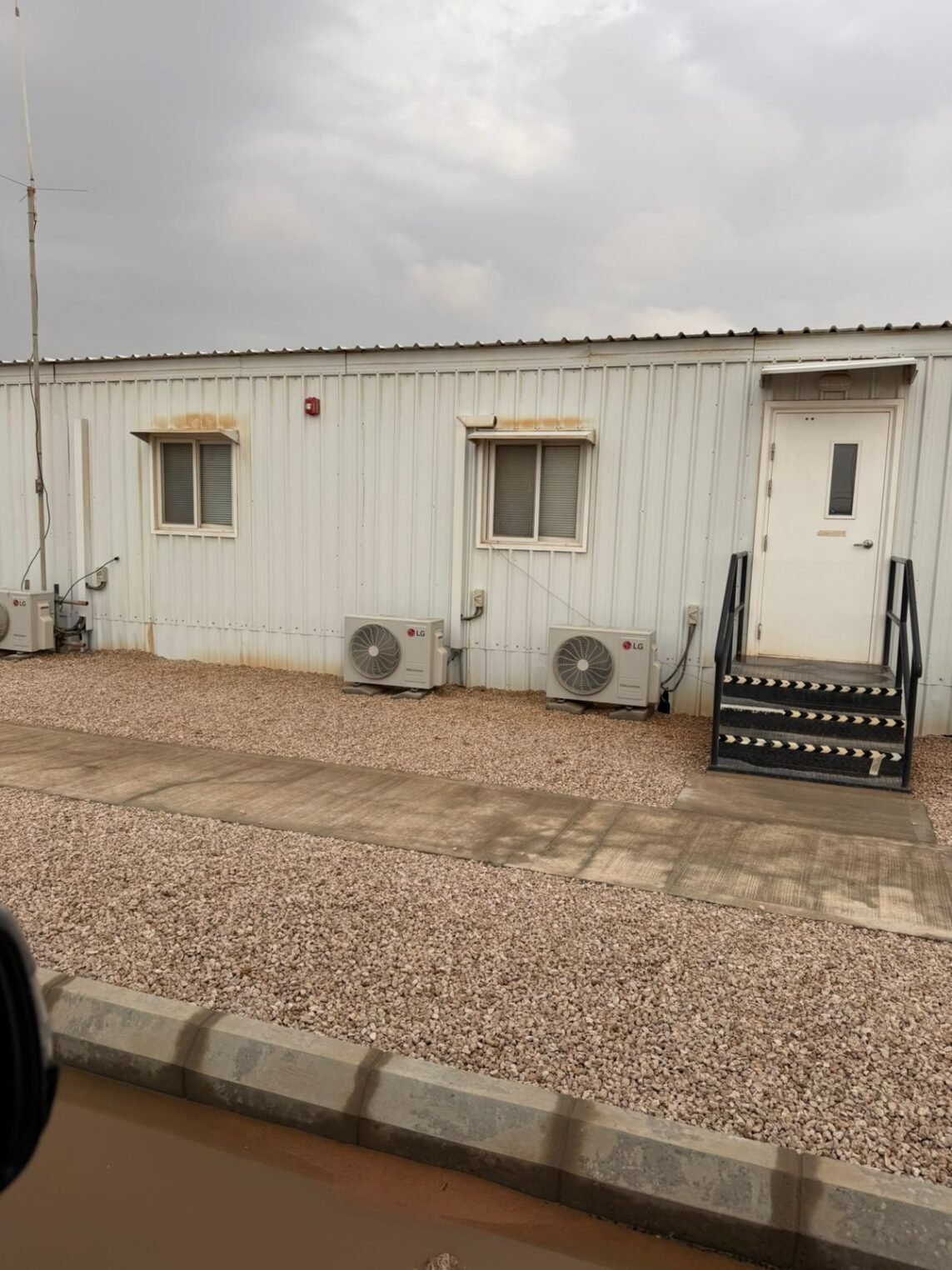
Temporary site offices
-
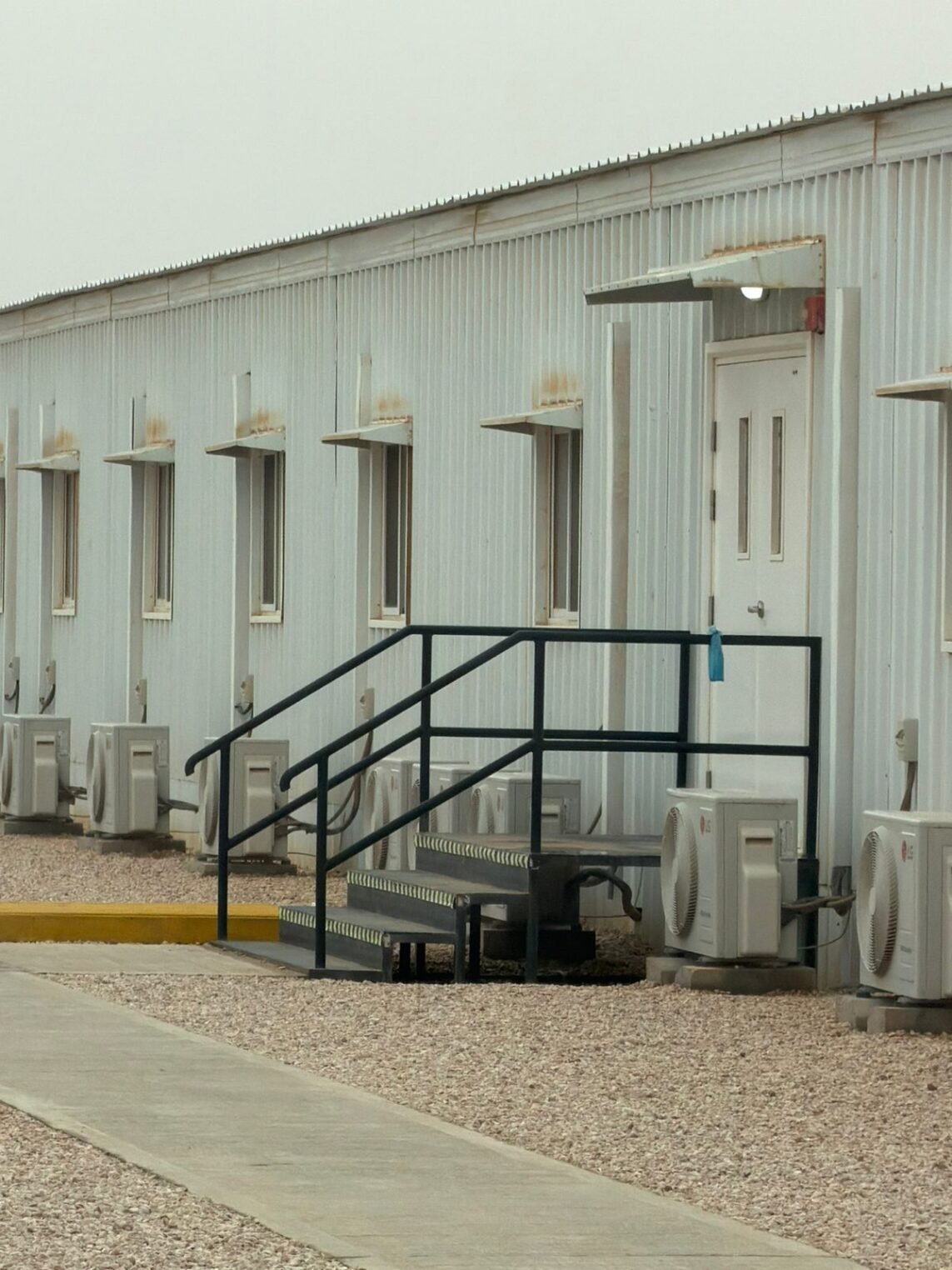
Worker accommodation camps
-
Utilities infrastructure
-
Warehouses and storage yards
-
Workshops and fabrication areas
-
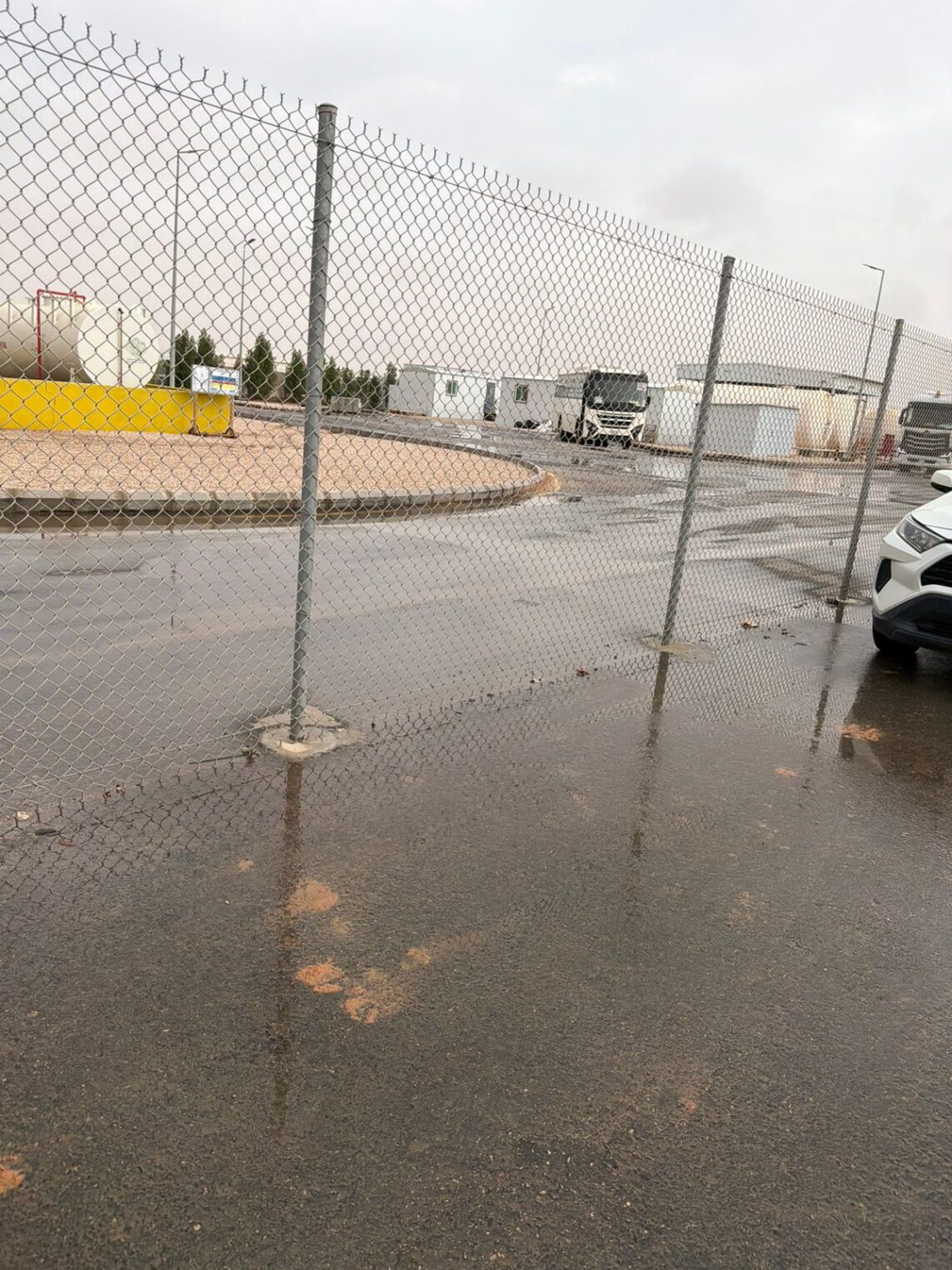
Site roads and transportation routes
-
Security and safety facilities
The goal of site facility management is to ensure that the construction workforce and project management teams have all the necessary support systems required to complete the project effectively.
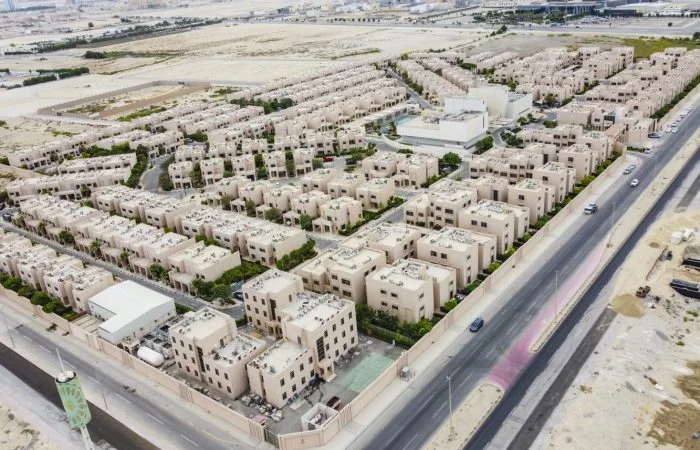
In Saudi Arabia, many large construction projects take place in remote desert environments or undeveloped areas. In such cases, contractor site facilities essentially function as temporary operational cities supporting hundreds or even thousands of workers.
Importance of Site Facility Management in Saudi Arabia
Construction projects across the Kingdom are expanding rapidly as part of Saudi Vision 2030, which focuses on economic diversification, infrastructure development, and mega projects.
With these developments, the need for professional contractor site facility management has become more critical than ever.
Improving Construction Efficiency
Proper site facilities enable workers and engineers to operate in an organized environment. When offices, storage areas, and utilities are well planned, construction activities can proceed smoothly without delays.
Poorly organized construction sites often suffer from:
-
Material handling delays
-
Logistics inefficiencies
-
Communication problems
-
Increased operational costs
Professional site facility management eliminates these issues and helps maintain project schedules.
Supporting Workforce Welfare
Large construction projects often require workers to live on-site for extended periods. Proper accommodation and welfare facilities ensure workers remain healthy, comfortable, and productive.
Worker welfare facilities typically include:
-
Accommodation buildings
-
Dining halls and kitchens
-
Prayer rooms
-
Recreation areas
-
Medical clinics
In Saudi Arabia, strict labor regulations require contractors to provide adequate living conditions for construction workers.
Enhancing Site Safety
Safety is a critical concern on any construction project. Well-managed site facilities improve safety by organizing work zones, reducing congestion, and ensuring clear access routes.
Key safety features include:
-
Fire protection systems
-
Emergency assembly areas
-
First aid clinics
-
Safety training facilities
-
Controlled site access
Professional site facility management significantly reduces the risk of accidents.
Managing Logistics and Materials
Construction projects require large volumes of materials and equipment. Site facility management ensures that materials are stored, organized, and transported efficiently across the site.
Facilities supporting logistics include:
-
Laydown yards
-
Warehouses
-
Equipment staging areas
-
Transportation routes
Efficient logistics management ensures materials are available exactly when needed.
Key Components of Contractor Site Facility Management
A complete contractor site facility management system includes several interconnected components.
Temporary Site Offices
Site offices serve as the command center of the construction project.
These offices typically house:
-
Project management teams
-
Engineering staff
-
document control departments
-
planning and scheduling teams
-
meeting rooms
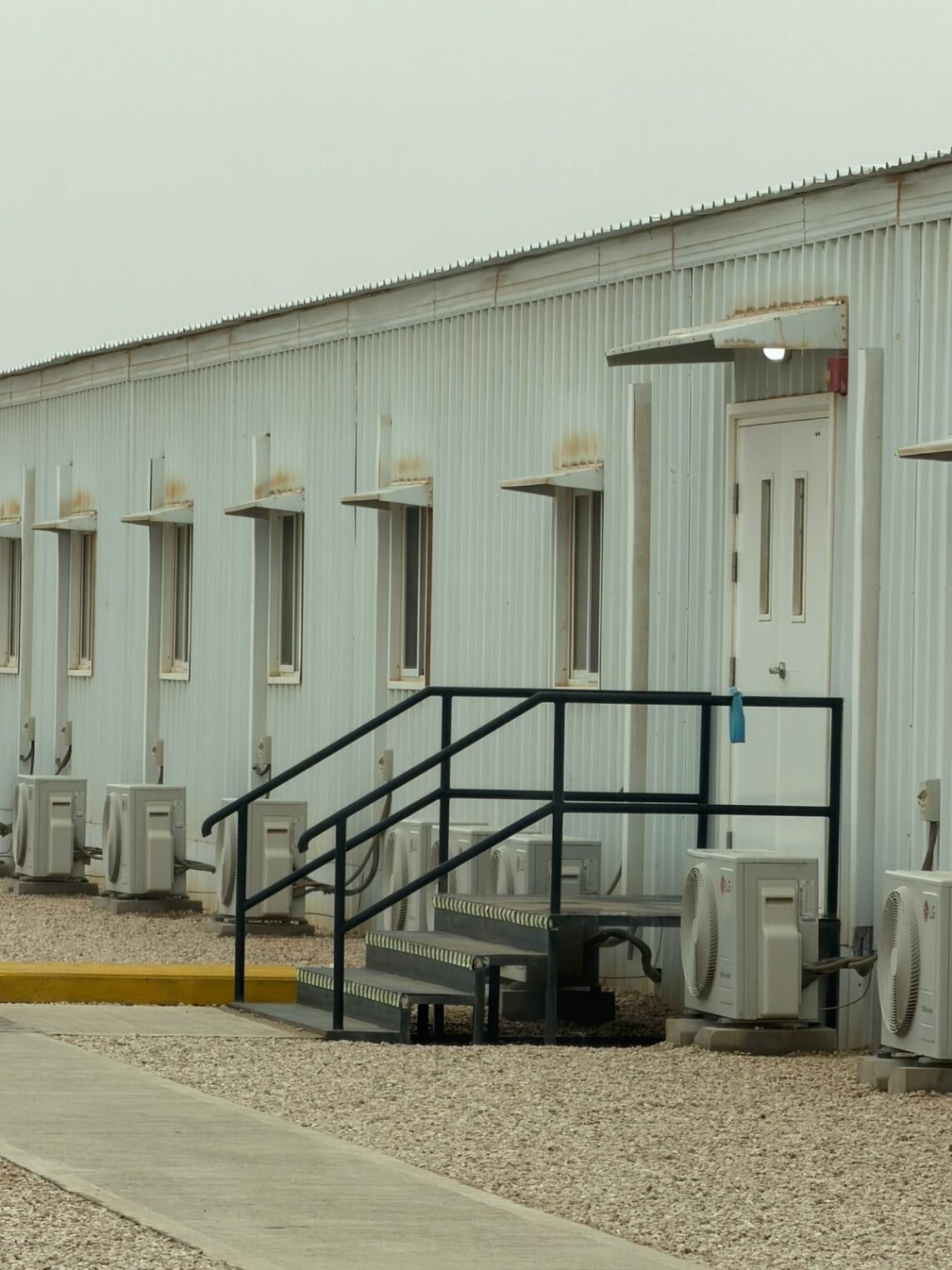
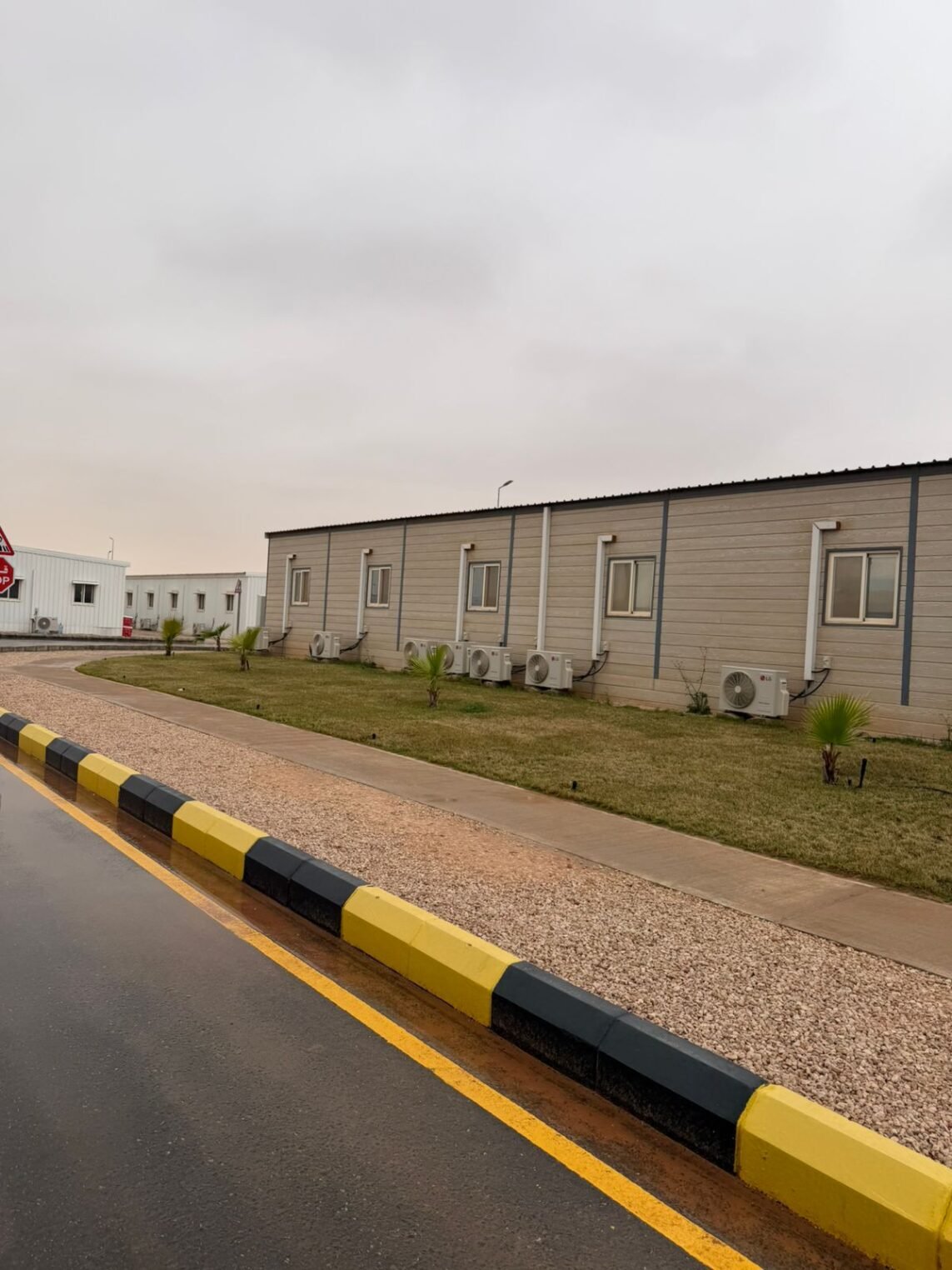
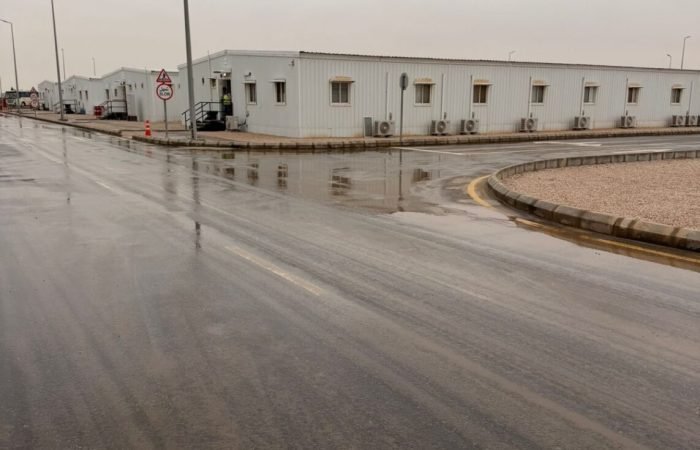
Most site offices are constructed using prefabricated modular buildings, allowing rapid installation and flexibility.
Modern site offices are also equipped with:
-
internet networks
-
project management software systems
-
surveillance systems
-
communication infrastructure
These systems ensure smooth coordination between contractors, consultants, and project owners.
Worker Accommodation Camps
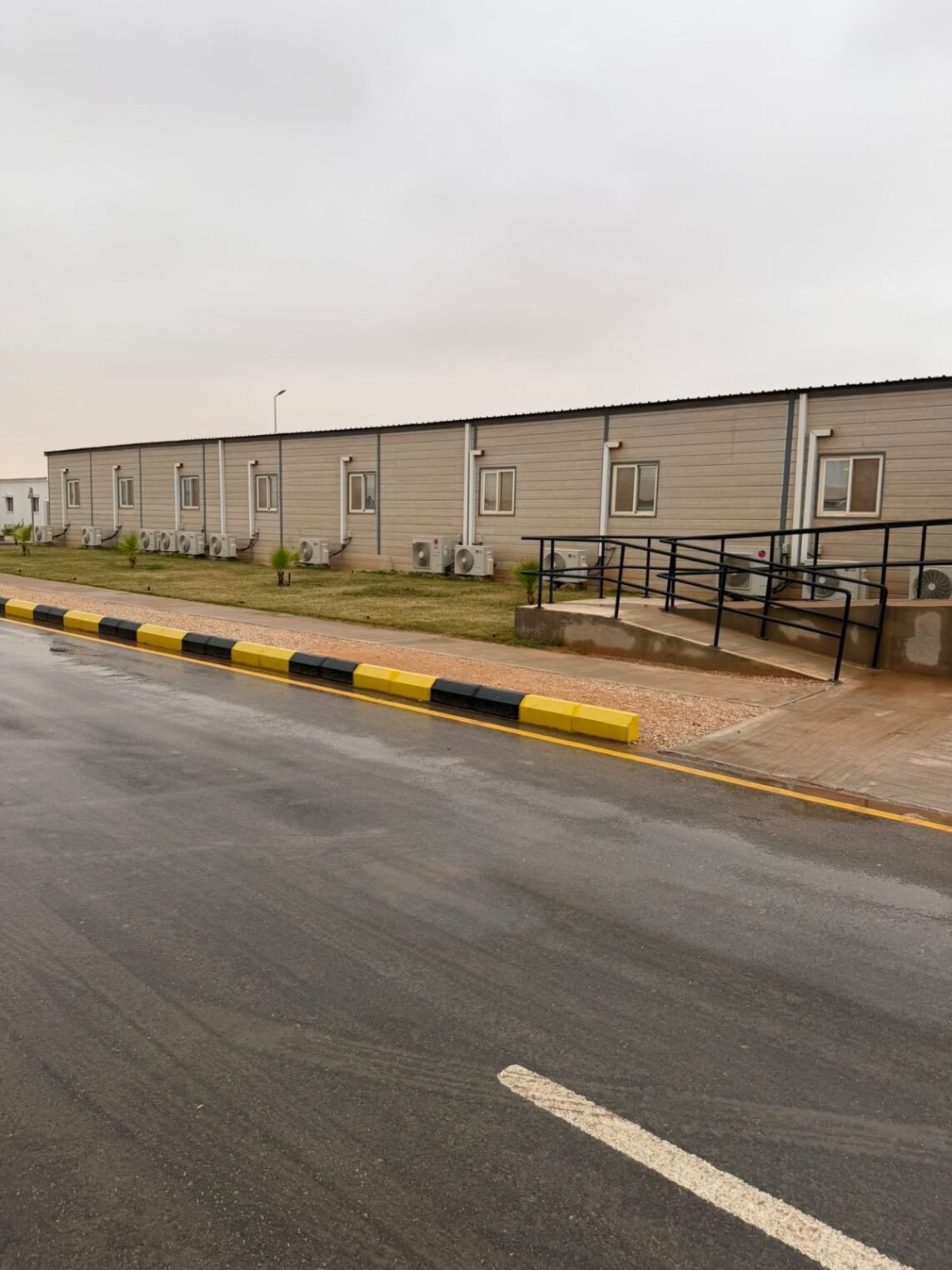
Accommodation camps are among the largest components of contractor site facilities, particularly for remote projects.
These camps may house hundreds or even thousands of workers.
Typical camp facilities include:
-
Dormitories
-
Dining halls
-
Kitchens
-
Laundry facilities
-
recreation areas
-
mosques or prayer rooms
-
medical clinics
Well-designed camps improve worker morale and productivity.
In desert environments, special attention must be given to:
-
air conditioning systems
-
water supply
-
sanitation infrastructure
-
power generation
Utilities Infrastructure
Construction sites require reliable utility systems to support daily operations.
Temporary utility systems may include:
-
electrical power generation
-
water supply and storage
-
sewage and wastewater treatment
-
communication networks
-
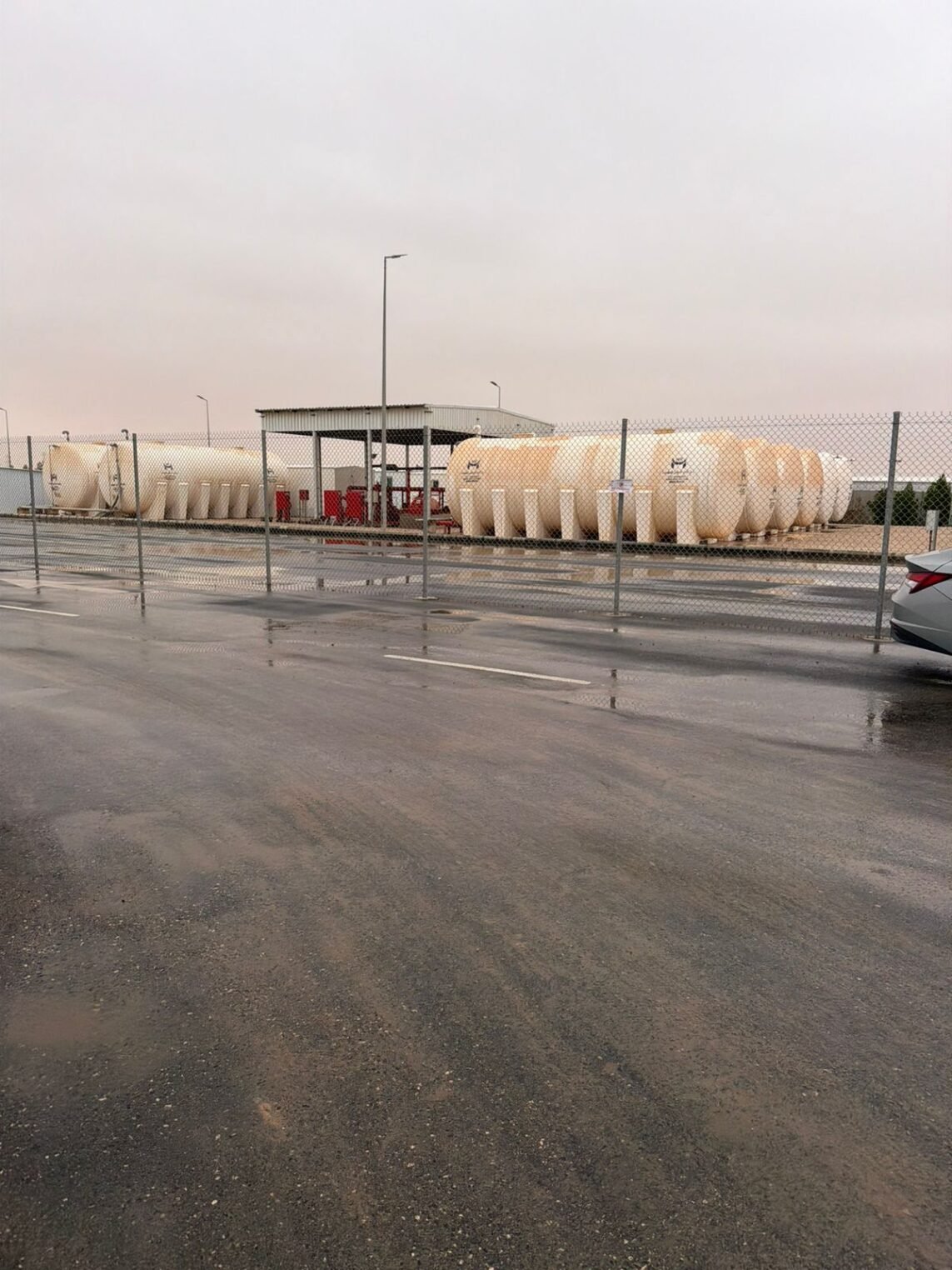
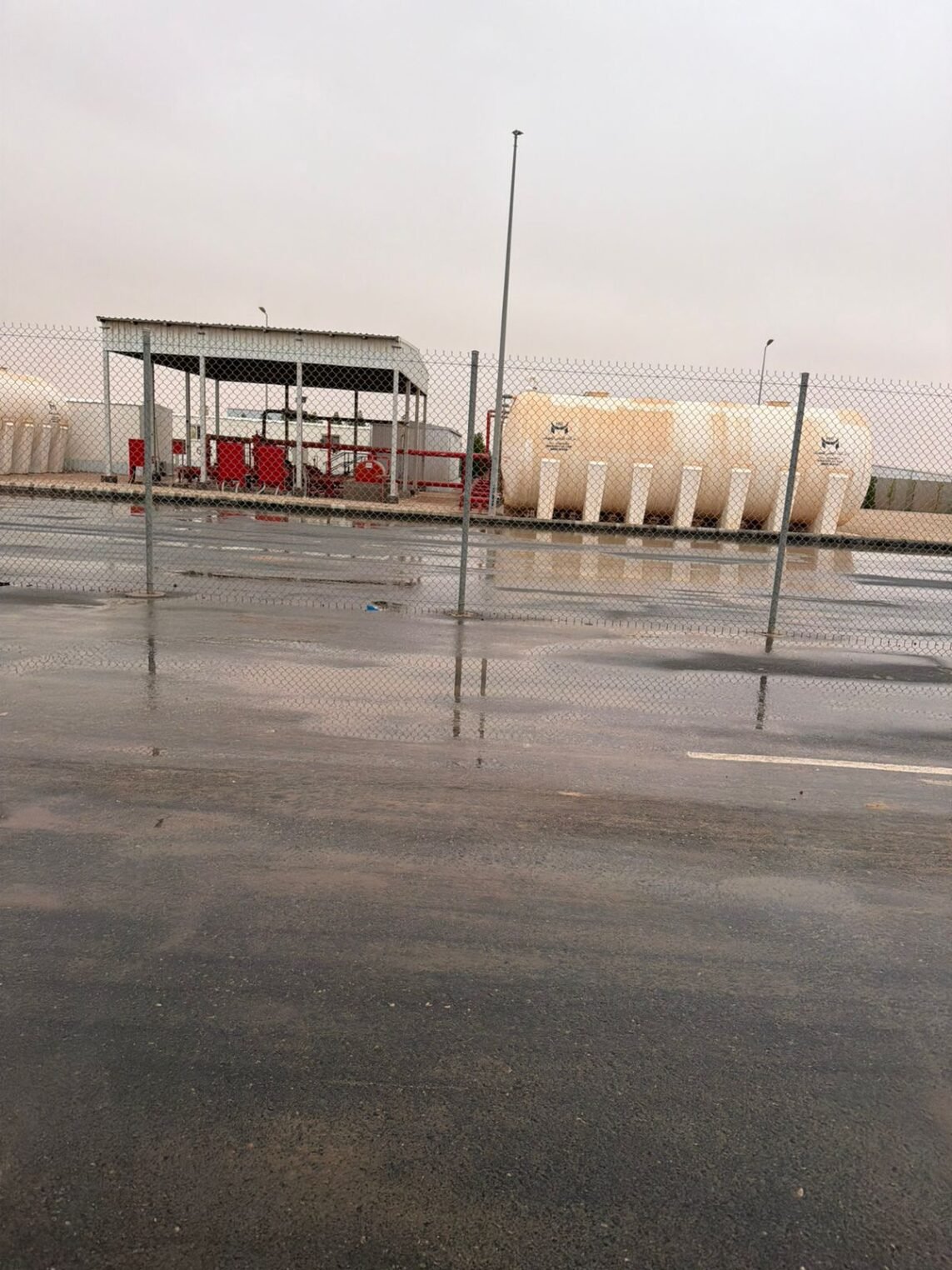
fuel storage systems
In remote locations where public utilities are unavailable, contractors must establish self-sufficient infrastructure systems.
These systems ensure uninterrupted construction operations.
Material Storage and Laydown Areas
Large construction projects require significant storage space for materials and equipment.
Laydown yards are designated areas where materials are stored before installation.
These areas may include:
-
steel storage yards
-
pipe storage areas
-
mechanical equipment staging zones
-
electrical equipment storage
-
covered warehouses for sensitive materials
Proper storage planning prevents damage to materials and reduces handling time.
Workshops and Maintenance Facilities
Construction equipment and machinery require regular maintenance and repair.
Temporary workshops are established on-site to perform:
-
mechanical maintenance
-
welding and fabrication
-
carpentry works
-
electrical repairs
On-site workshops reduce downtime and keep equipment operational throughout the project.
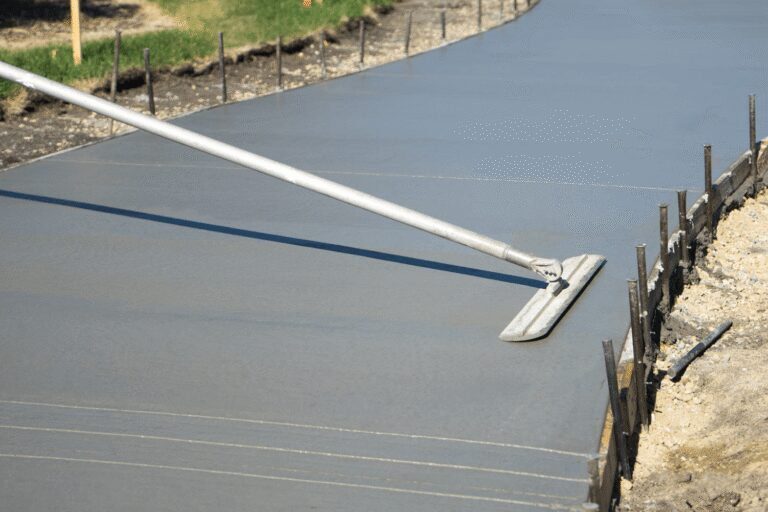
Site Roads and Transportation Infrastructure
Transportation infrastructure within construction sites must be carefully planned to support movement of vehicles and heavy machinery.
Site road systems typically include:
-
primary access roads
-
internal transportation routes
-
truck parking areas
-
equipment movement paths
Proper road design reduces congestion and improves site safety.
Security and Access Control
Security is another essential element of contractor site facility management.
Construction sites often contain valuable equipment and materials that must be protected.
Security infrastructure may include:
-
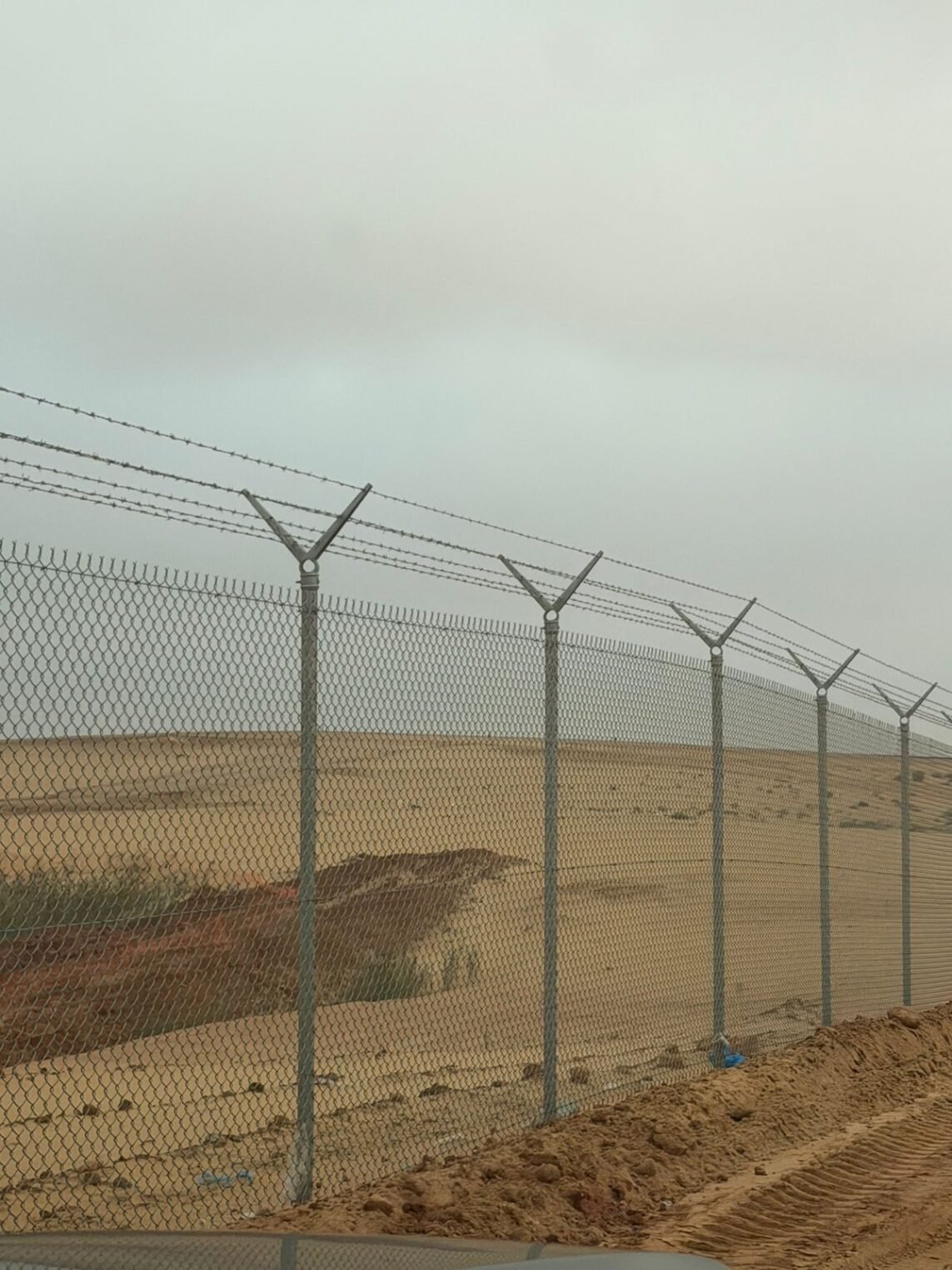
perimeter fencing
-
controlled access gates
-
CCTV surveillance systems
-
security control rooms
-
vehicle inspection areas
Access control systems help ensure only authorized personnel enter the site.
Environmental Management
Modern construction projects must comply with environmental regulations and sustainability standards.
Site facility management includes systems for:
-
waste collection and disposal
-
wastewater treatment
-
dust control
-
noise management
Proper environmental management ensures compliance with regulations and protects surrounding communities.
Planning Contractor Site Facilities
Effective site facility management begins with detailed planning during the project mobilization stage.
Key planning considerations include:
-
workforce size
-
project duration
-
site location
-
climate conditions
-
logistics requirements
A detailed site layout plan must be prepared to ensure efficient use of space and safe operations.
Important layout considerations include:
-
separating residential and industrial areas
-
ensuring safe access routes
-
locating warehouses near work zones
-
maintaining fire safety distances
Careful planning improves overall project performance.
Technology in Site Facility Management
Digital technologies are transforming how contractors manage site facilities.
Modern site facility management systems may include:
-
digital access control systems
-
smart surveillance systems
-
workforce management software
-
asset tracking systems
-
construction logistics software
These technologies improve operational efficiency and reduce administrative workload.
Challenges of Site Facility Management in Saudi Arabia
While Saudi Arabia offers enormous construction opportunities, site facility management in the Kingdom presents unique challenges.
These challenges include:
Extreme Climate
High temperatures and desert conditions require specialized infrastructure such as high-capacity air conditioning and dust protection systems.
Remote Locations
Many projects are located far from cities, requiring contractors to develop complete infrastructure systems from scratch.
Workforce Diversity
Construction sites often include workers from many countries, requiring effective communication systems and cultural considerations.
Logistics Complexity
Large-scale projects require continuous supply chains for materials, equipment, and workforce support.
Professional contractors address these challenges through careful planning and strong management systems.
Best Practices for Contractor Site Facility Management
Successful contractors follow several best practices to ensure efficient site facility management.
Early Mobilization Planning
Facility planning should begin during the project bidding or early design stages.
Modular Construction
Prefabricated buildings allow rapid installation and flexibility for site offices and accommodation.
Safety Integration
Safety considerations must be integrated into every aspect of facility design.
Workforce Welfare
Providing comfortable living and working conditions improves productivity and morale.
Sustainable Infrastructure
Energy-efficient systems and waste management practices reduce environmental impact.
The Role of DTC General Contracting
As an experienced contractor operating in Saudi Arabia, DTC General Contracting provides comprehensive contractor site facility management services for construction and infrastructure projects.
Our services include:
-
site facility planning and design
-
construction of temporary site offices
-
workforce accommodation camps
-
utilities installation
-
logistics and storage management
-
site infrastructure development
-
security and safety systems
-
facility maintenance and operations
By combining engineering expertise with operational excellence, DTC ensures that construction sites operate efficiently and safely throughout the project lifecycle.
The Future of Construction Site Facilities
As construction projects become more complex, the role of contractor site facility management will continue to grow.
Future trends may include:
-
smart construction camps
-
renewable energy-powered site facilities
-
automated logistics systems
-
digital workforce management platforms
These innovations will help contractors improve efficiency, reduce costs, and enhance worker welfare.
Contractor site facility management plays a crucial role in the success of construction projects in Saudi Arabia. From temporary offices and worker camps to logistics infrastructure and utilities systems, site facilities provide the foundation that supports construction operations.
Properly managed facilities improve productivity, enhance safety, support workforce welfare, and ensure projects are delivered on time and within budget.
With Saudi Arabia experiencing unprecedented growth in infrastructure and industrial development, professional contractor site facility management has become a vital service for the construction industry.
Through expertise, planning, and operational excellence, DTC General Contracting continues to deliver reliable site facility management solutions that support the successful execution of construction projects across the Kingdom.