Safety Compliance Requirements for Construction Sites in Saudi Arabia
Ensuring Worker Protection and Regulatory Compliance in Modern Construction Projects
Construction projects involve complex operations, heavy machinery, hazardous materials, and dynamic work environments. Ensuring the safety of workers, engineers, and site personnel is therefore a top priority in the construction industry.
In Saudi Arabia, strict safety compliance requirements have been established to protect workers, reduce accidents, and ensure responsible construction practices.
Under the Kingdom’s rapid infrastructure development and industrial expansion, construction companies must implement comprehensive safety management systems that comply with national regulations and international standards.
Leading contractors such as Dorrar Tammam Contracting (DTC) maintain strict safety compliance procedures across construction sites in cities including Dammam, Riyadh, and Jeddah.
By implementing comprehensive safety programs, contractors help ensure safe working environments while maintaining compliance with construction regulations.
Importance of Safety Compliance in Construction Projects
Construction sites present various hazards that require careful management.
Common risks include:
-
heavy machinery operation
-
working at heights
-
electrical hazards
-
excavation risks
-
falling objects
-
structural instability
Without proper safety protocols, construction projects can experience:
-
worker injuries
-
project delays
-
regulatory penalties
-
increased insurance costs
Safety compliance ensures that construction activities are performed safely and responsibly.
Key Construction Safety Regulations in Saudi Arabia
Construction safety regulations in Saudi Arabia are enforced by government authorities to ensure safe work environments.
These regulations include requirements for:
-
worker safety protection
-
construction site management
-
equipment safety standards
-
emergency response procedures
Construction companies must ensure compliance with national building regulations and workplace safety standards.
Core Safety Compliance Requirements for Construction Sites
Construction companies must implement several essential safety measures.
1️⃣ Personal Protective Equipment (PPE)
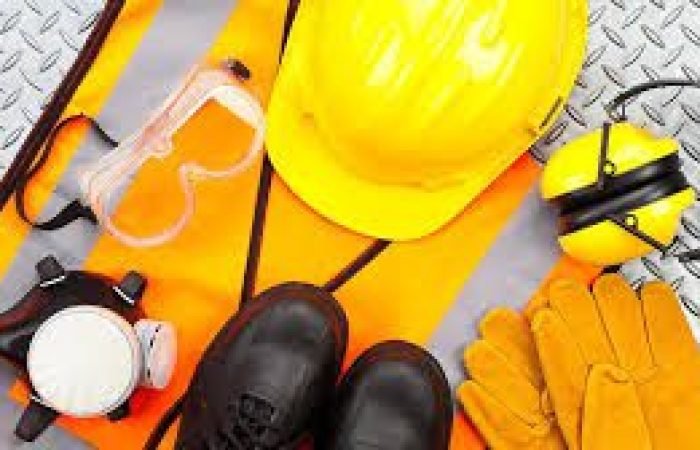
Workers must be equipped with appropriate protective equipment including:
-
safety helmets
-
protective gloves
-
safety shoes
-
high-visibility clothing
-
safety goggles
PPE protects workers from physical hazards and reduces the risk of injury.
2️⃣ Construction Site Risk Assessment
Before beginning any construction activity, contractors must perform comprehensive risk assessments.
This process includes:
-
identifying potential hazards
-
evaluating risk levels
-
implementing mitigation measures
Risk assessment ensures that construction activities are planned safely.
3️⃣ Safety Training for Workers
Worker training is essential to maintaining safe construction environments.
Training programs include:
-
equipment operation safety
-
fall protection training
-
emergency procedures
-
hazard recognition
Well-trained workers are more capable of preventing accidents.
4️⃣ Fall Protection Systems
Working at heights is one of the most common hazards on construction sites.
Fall protection measures include:
-
safety harnesses
-
guardrails
-
safety nets
-
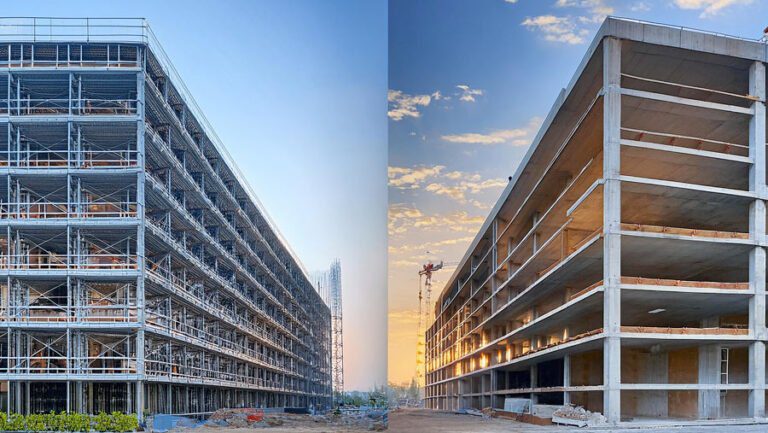
secure scaffolding systems
These systems help prevent falls and protect workers operating at elevated levels.
5️⃣ Machinery and Equipment Safety
Construction machinery must be operated according to strict safety guidelines.
Key requirements include:
-
certified machine operators
-
regular equipment inspections
-
proper maintenance schedules
Safe equipment operation reduces accident risks.
Construction Site Safety Management Systems
Modern construction projects implement structured safety management systems to maintain compliance.
Safety management includes:
-
safety policies and procedures
-
site safety inspections
-
incident reporting systems
-
hazard control strategies
These systems ensure consistent safety practices across construction sites.
Emergency Preparedness on Construction Sites
Construction sites must prepare for emergency situations including:
-
fires
-
equipment accidents
-
medical emergencies
-
structural failures
Emergency response plans typically include:
-
evacuation procedures
-
first aid training
-
emergency contact systems
-
firefighting equipment
Preparedness helps minimize the impact of unexpected incidents.
Construction Safety Challenges in Saudi Arabia
Construction sites in Saudi Arabia face several environmental and operational challenges.
Extreme Heat Conditions
High temperatures can lead to heat stress and dehydration for workers.
Contractors must implement:
-
shaded rest areas
-
hydration programs
-
adjusted work schedules
Large-Scale Construction Projects
Mega infrastructure projects involve large workforces and complex operations requiring advanced safety management.
Heavy Equipment Operations
Construction sites often involve cranes, excavators, and heavy machinery that require strict safety supervision.
Safety Practices Followed by Professional Contractors
Professional construction companies implement advanced safety practices including:
-
daily safety briefings
-
regular site inspections
-
hazard reporting systems
-
continuous safety training
These practices help maintain safe construction environments.
Role of Safety Officers on Construction Sites
Safety officers are responsible for monitoring compliance with safety regulations.
Their responsibilities include:
-
conducting safety inspections
-
enforcing safety procedures
-
investigating incidents
-
coordinating safety training
Safety officers ensure that construction sites maintain proper safety standards.
Safety Compliance in Major Construction Cities
Construction safety compliance is critical across major Saudi cities.
Dammam
Industrial and infrastructure projects require strong safety management due to heavy equipment operations.
Riyadh
Large-scale urban construction projects require comprehensive safety supervision.
Jeddah
Coastal construction environments present unique safety challenges.
Al Khobar
Commercial developments require strict compliance with safety regulations.
Benefits of Strong Safety Compliance in Construction
Implementing strong safety compliance practices offers several benefits.
✔ reduced workplace accidents
✔ improved worker productivity
✔ regulatory compliance
✔ enhanced company reputation
✔ reduced insurance costs
Safe construction environments contribute to project success.
How DTC Implements Construction Safety Standards
Leading contractors implement comprehensive safety programs to ensure worker protection.
Companies such as Dorrar Tammam Contracting follow strict safety compliance procedures including:
-
site safety planning
-
worker safety training
-
hazard monitoring
-
equipment safety inspections
These measures ensure that construction projects are executed safely and responsibly.
Future of Construction Safety in Saudi Arabia
Construction safety standards continue evolving as the industry adopts new technologies and regulations.
Future safety improvements may include:
-
digital safety monitoring systems
-
wearable safety devices for workers
-
automated hazard detection technologies
-
improved training programs
These innovations will further enhance safety compliance across construction sites.
Ensuring Safety Compliance in Construction Sites
Safety compliance is a fundamental requirement for successful construction projects.
Contractors must implement comprehensive safety programs that include:
-
worker training
-
protective equipment
-
risk assessment
-
emergency preparedness
By maintaining strict safety standards, construction companies protect workers, improve project efficiency, and comply with national regulations.
Through strong safety management practices, contractors like Dorrar Tammam Contracting contribute to safer construction environments across Saudi Arabia.