Industrial Infrastructure in Saudi Arabia: A Foundation for Sustainable Economic Growth
Industrial infrastructure is a cornerstone of economic development, and in Saudi Arabia it plays a central role in shaping the Kingdom’s transformation toward a diversified, competitive, and sustainable economy. As part of Saudi Vision 2030, the Kingdom has made substantial investments in industrial infrastructure to support manufacturing, logistics, mining, energy, and technology-driven industries.
Through the development of industrial cities, logistics hubs, ports, transport networks, utilities, and digital infrastructure, Saudi Arabia has positioned itself as a regional and global industrial powerhouse. This comprehensive industrial infrastructure ecosystem not only attracts local and foreign investment but also enables efficient production, trade, and value-chain integration.
Strategic Importance of Industrial Infrastructure
Industrial infrastructure provides the physical and operational foundation upon which industries operate and grow. In Saudi Arabia, it supports key national objectives, including:
-
Economic diversification beyond oil
-
Growth of the manufacturing and logistics sectors
-
Attraction of foreign direct investment (FDI)
-
Job creation and workforce development
-
Increased exports and global competitiveness
Well-planned industrial infrastructure reduces operating costs, improves productivity, and enhances supply chain resilience—making it a decisive factor for investors choosing Saudi Arabia as a base for industrial operations.
Industrial Cities and Economic Zones
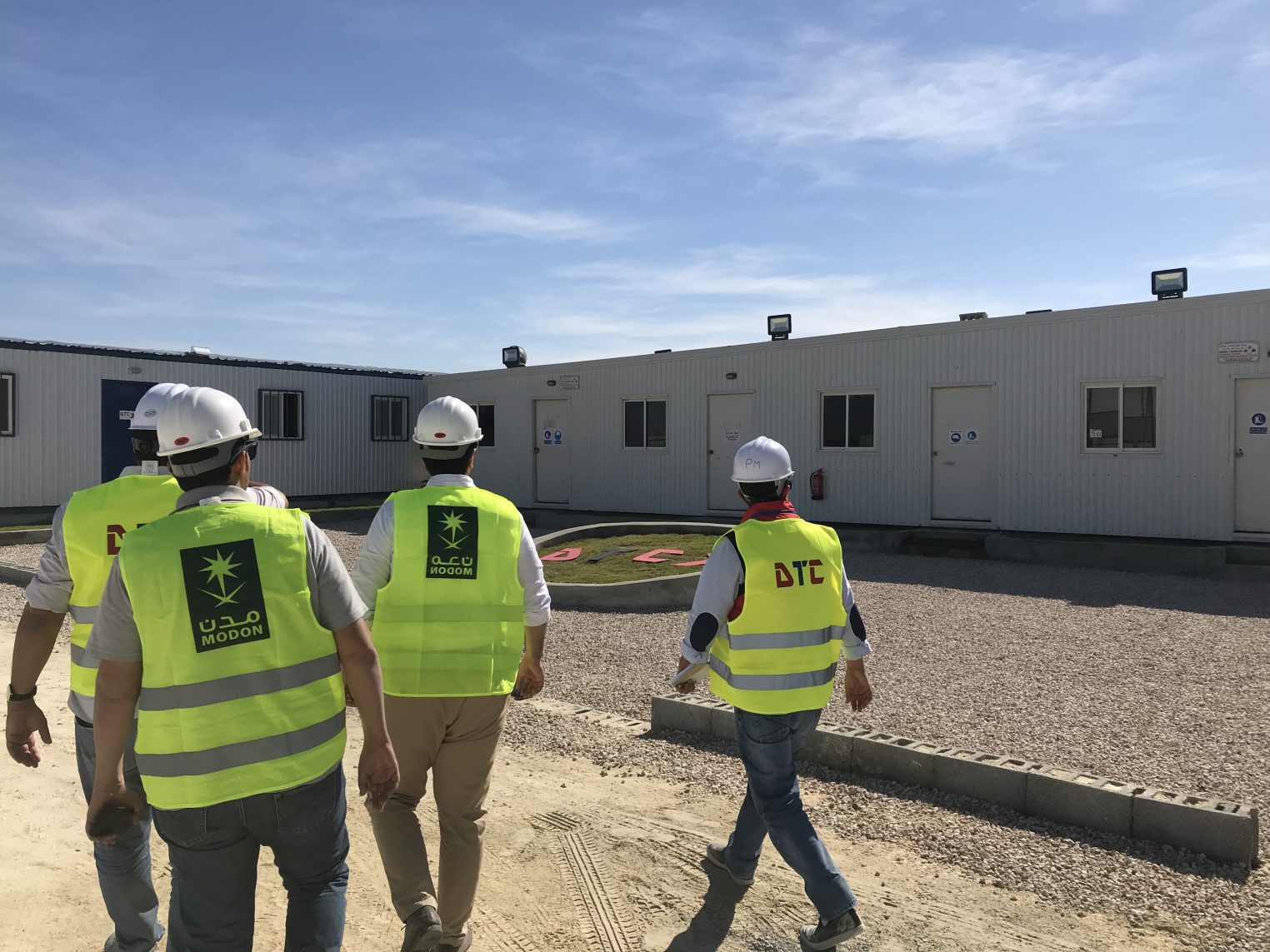
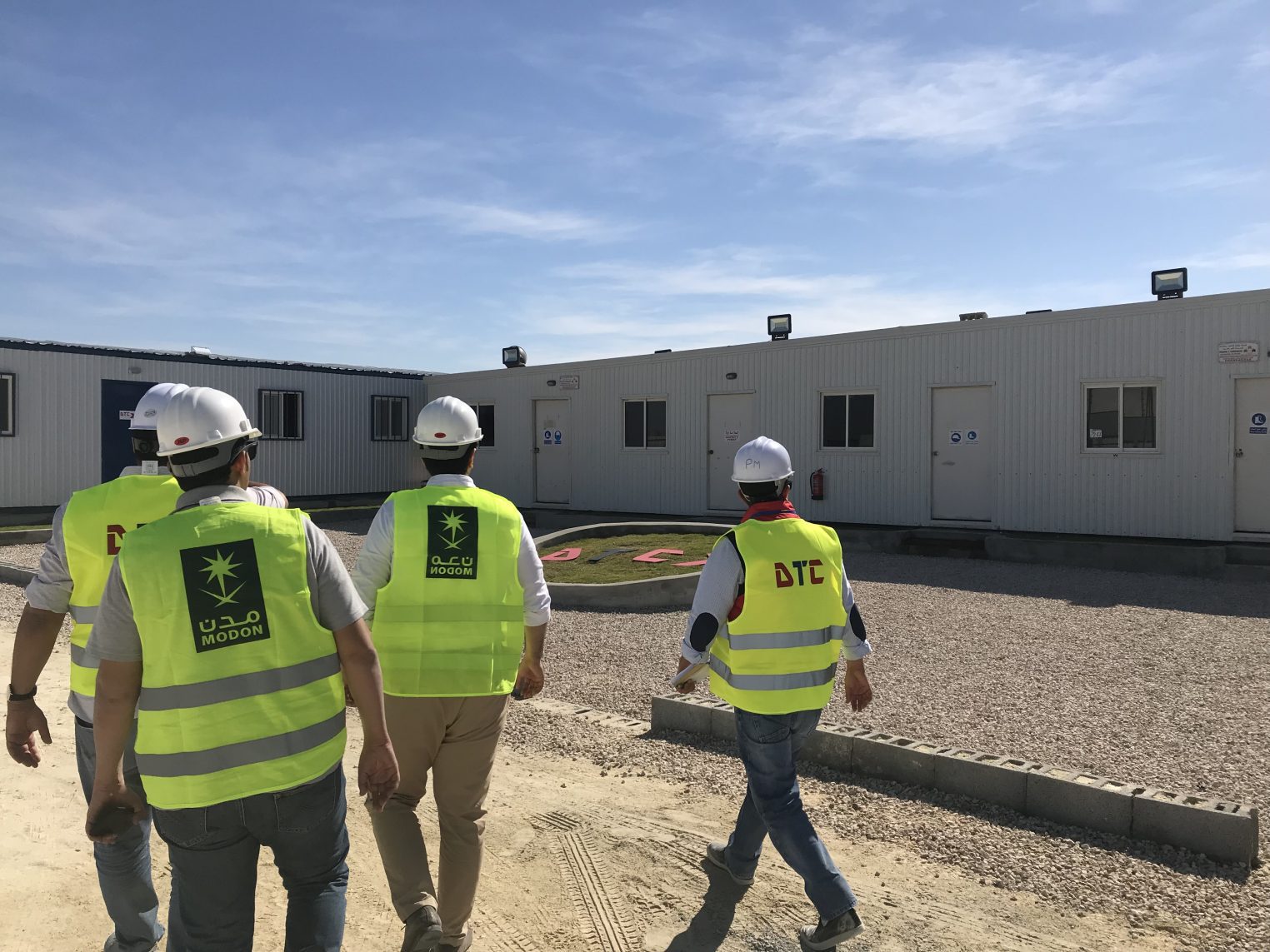
One of the most significant pillars of Saudi Arabia’s industrial infrastructure is the development of industrial cities and economic zones. These cities are planned environments equipped with ready infrastructure and regulatory frameworks that enable fast and efficient industrial development.
Industrial cities provide:
-
Fully serviced industrial land
-
Integrated road and transport networks
-
Reliable utilities and services
-
Regulatory and administrative support
These cities host thousands of factories across sectors such as manufacturing, food processing, pharmaceuticals, construction materials, chemicals, and logistics. By clustering industrial activities, Saudi Arabia enhances economies of scale and promotes collaboration between industries.
Transportation and Logistics Infrastructure
Road Networks
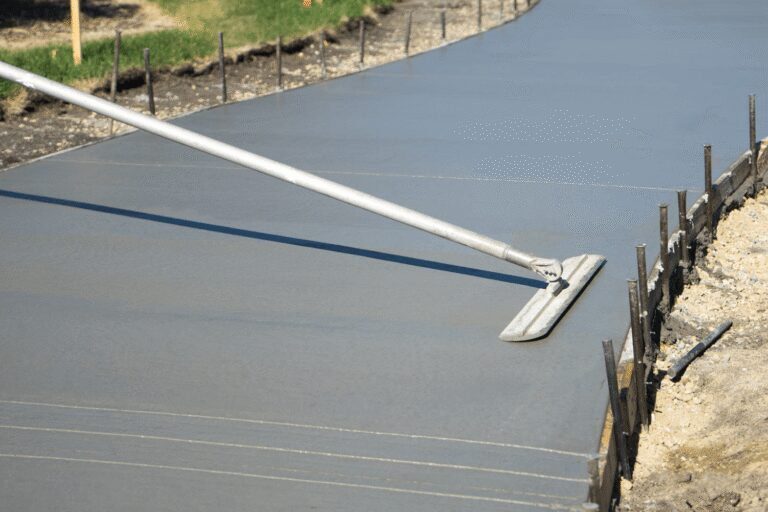
Saudi Arabia has one of the largest and most advanced road networks in the Middle East. These highways and arterial roads connect industrial cities with ports, airports, and population centers, enabling efficient movement of raw materials and finished goods.
For industrial operations, well-developed road infrastructure reduces transit times, lowers logistics costs, and improves supply chain reliability.
Ports and Maritime Infrastructure
Ports are a vital component of Saudi Arabia’s industrial infrastructure, especially for export-oriented industries. The Kingdom’s ports on the Red Sea and Arabian Gulf handle large volumes of industrial cargo, raw materials, and manufactured goods.
Modern port facilities offer:
-
High-capacity container terminals
-
Specialized bulk and industrial cargo handling
-
Advanced customs and clearance systems
-
Integration with road and rail networks
These capabilities support industrial growth and enhance Saudi Arabia’s role as a global trade and logistics hub.
Rail and Logistics Hubs
Rail infrastructure is increasingly important for heavy industries and long-distance cargo movement. Saudi Arabia has invested in freight rail networks that connect industrial zones with ports and logistics centers, improving efficiency and reducing dependency on road transport.
Integrated logistics hubs and dry ports further strengthen the industrial supply chain by offering storage, distribution, and value-added services near production centers.
Energy and Utilities Infrastructure
Electricity and Power Supply
Reliable and scalable power supply is essential for industrial operations. Saudi Arabia has invested heavily in electricity generation and transmission infrastructure to meet the demands of energy-intensive industries.
Industrial facilities benefit from:
-
Stable power supply
-
Competitive energy pricing
-
Capacity for large-scale industrial loads
-
Integration of renewable energy sources
Water and Wastewater Systems
Given the Kingdom’s arid climate, water infrastructure is a critical element of industrial development. Industrial zones are supported by advanced water supply and wastewater treatment systems that ensure sustainable water use.
These systems include:
-
Desalinated water supply
-
Industrial water networks
-
Wastewater collection and treatment
-
Reuse of treated water for industrial and landscaping purposes
Gas and Fuel Infrastructure
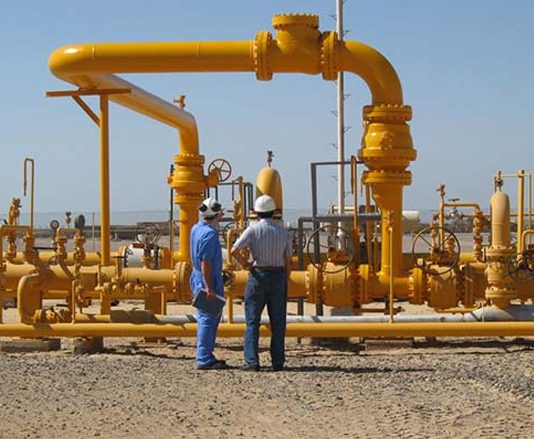
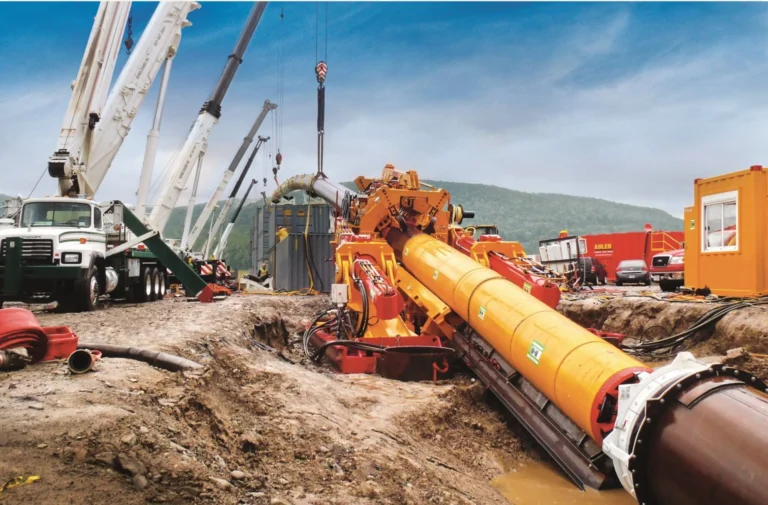
Many industrial sectors rely on gas and fuel supplies. Saudi Arabia’s extensive pipeline and distribution networks support petrochemical, manufacturing, and energy-intensive industries, enabling cost-effective and reliable operations.
Digital and Smart Infrastructure
Modern industrial infrastructure increasingly relies on digital systems. Saudi Arabia is integrating smart and digital infrastructure into its industrial ecosystem, including:
-
High-speed telecommunications networks
-
Data centers and cloud services
-
Industrial automation and control systems
-
Smart utility monitoring
-
Digital permitting and regulatory platforms
This digital transformation enhances efficiency, transparency, and innovation across industrial operations.
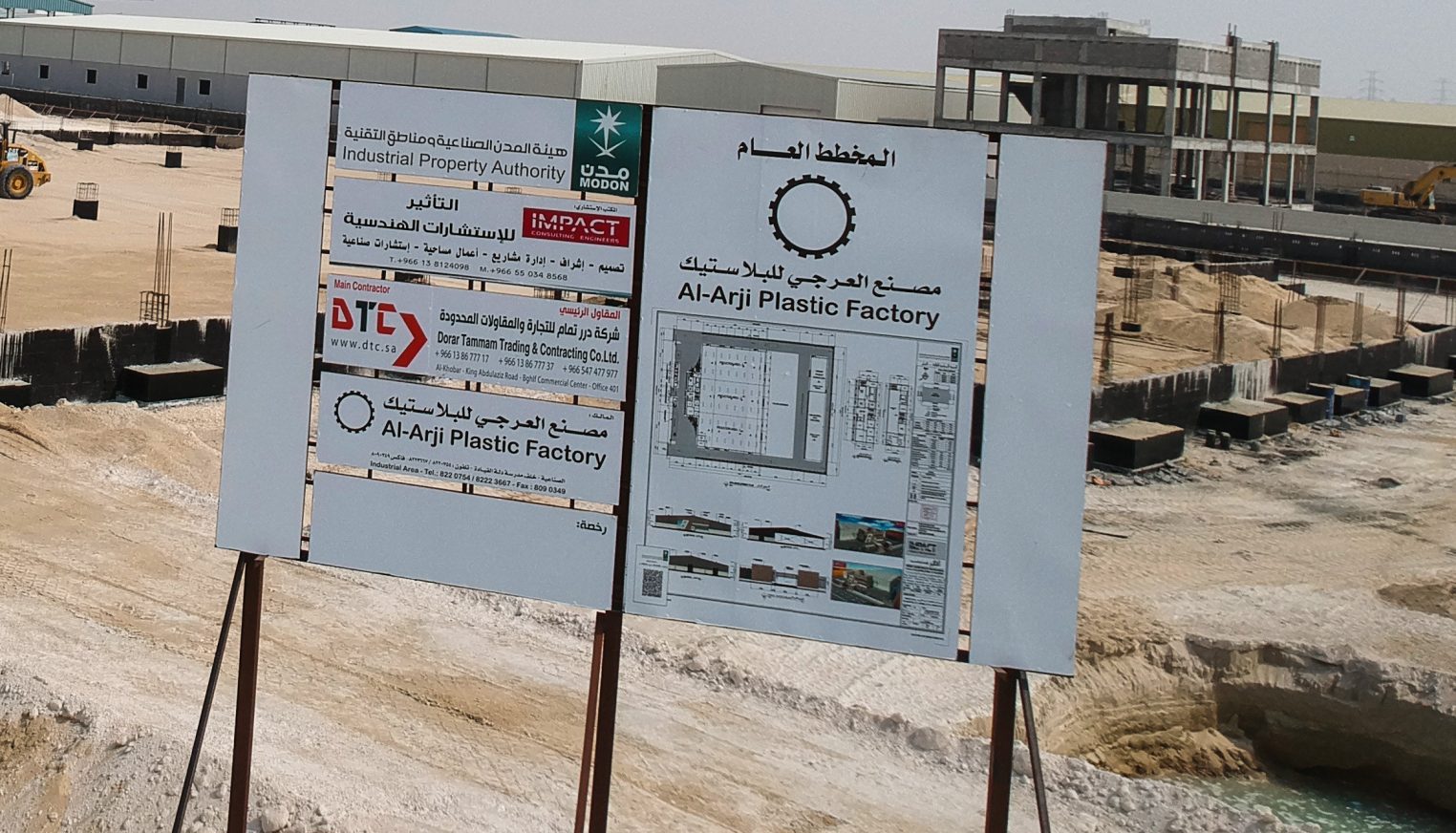
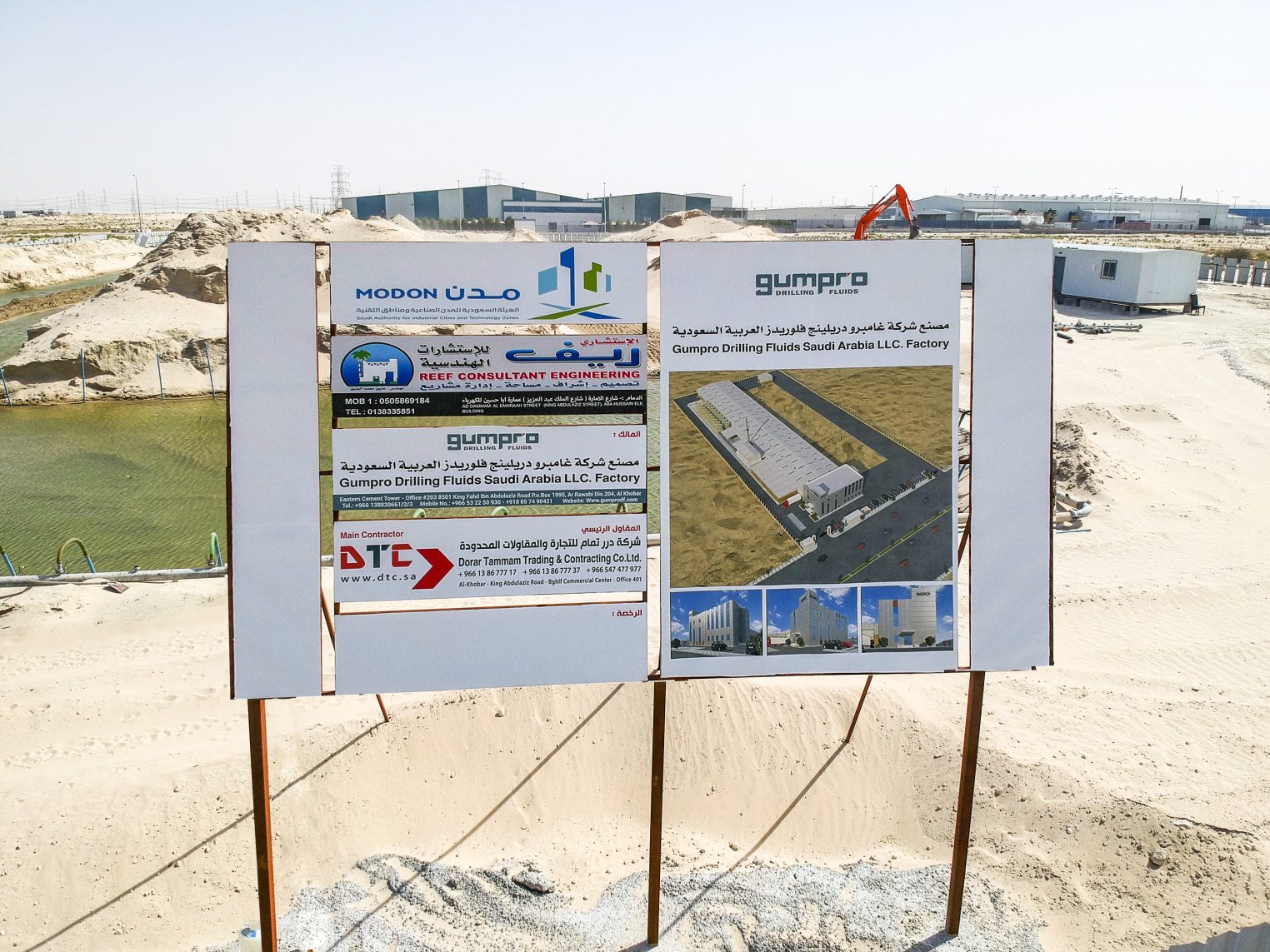
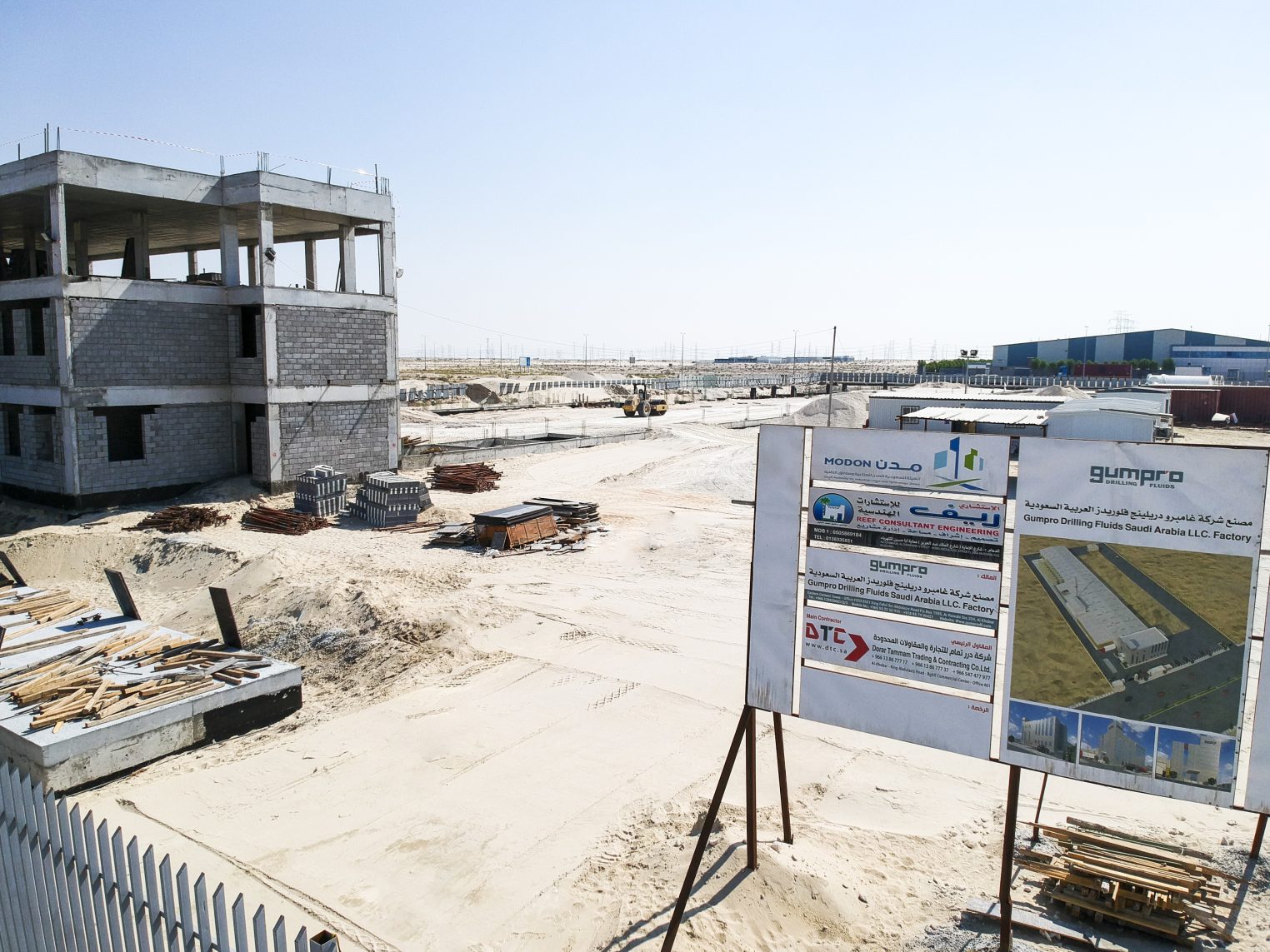
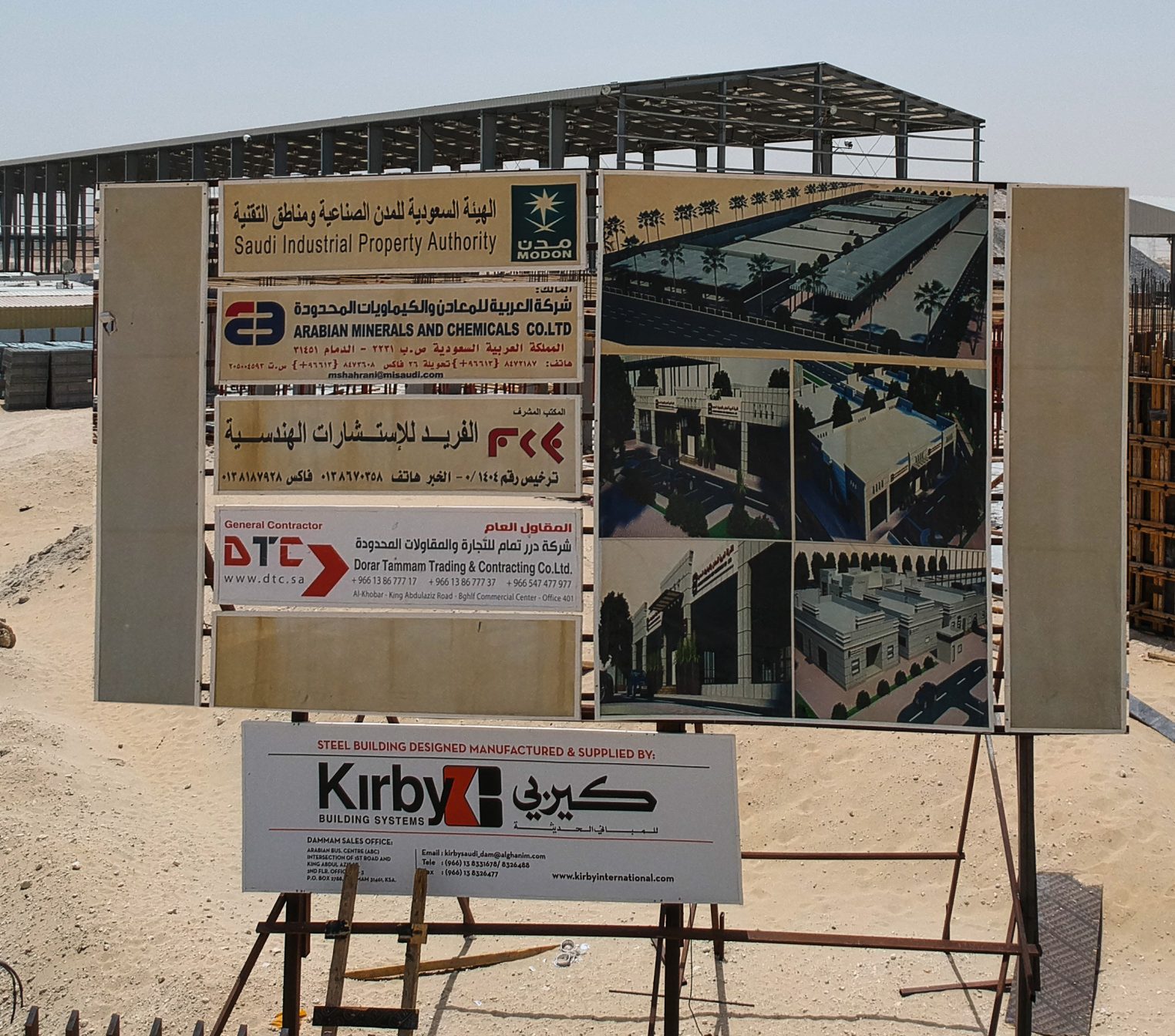
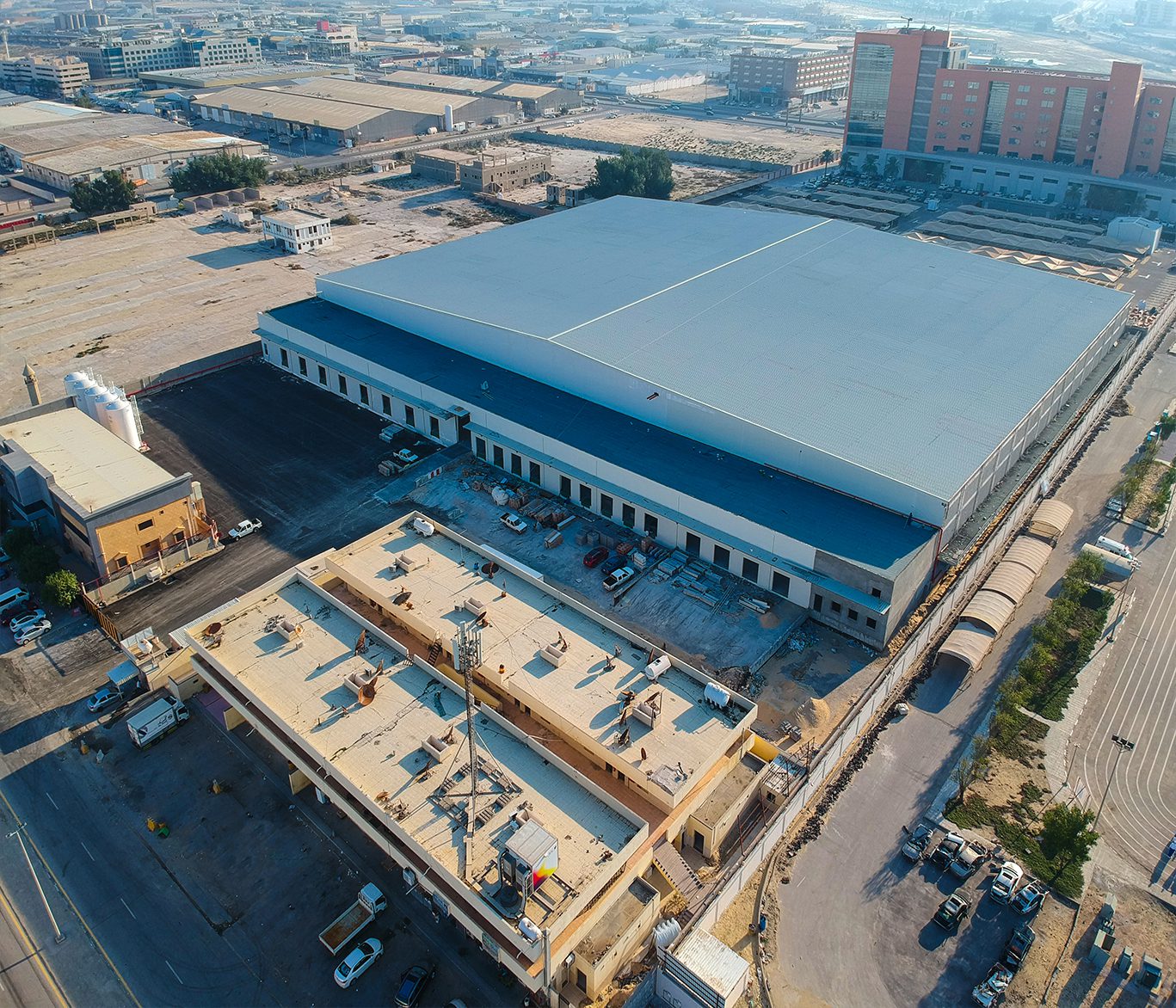
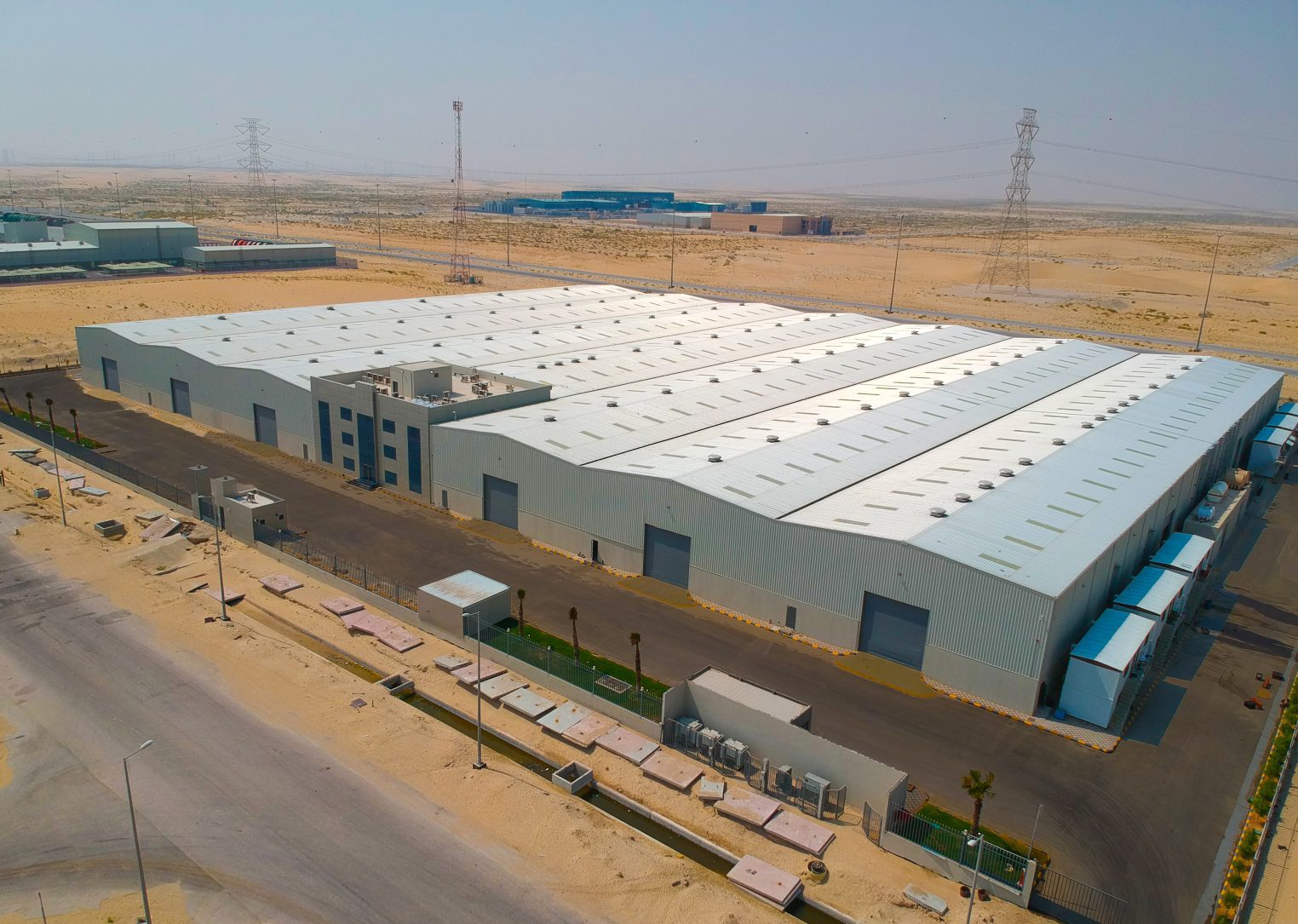
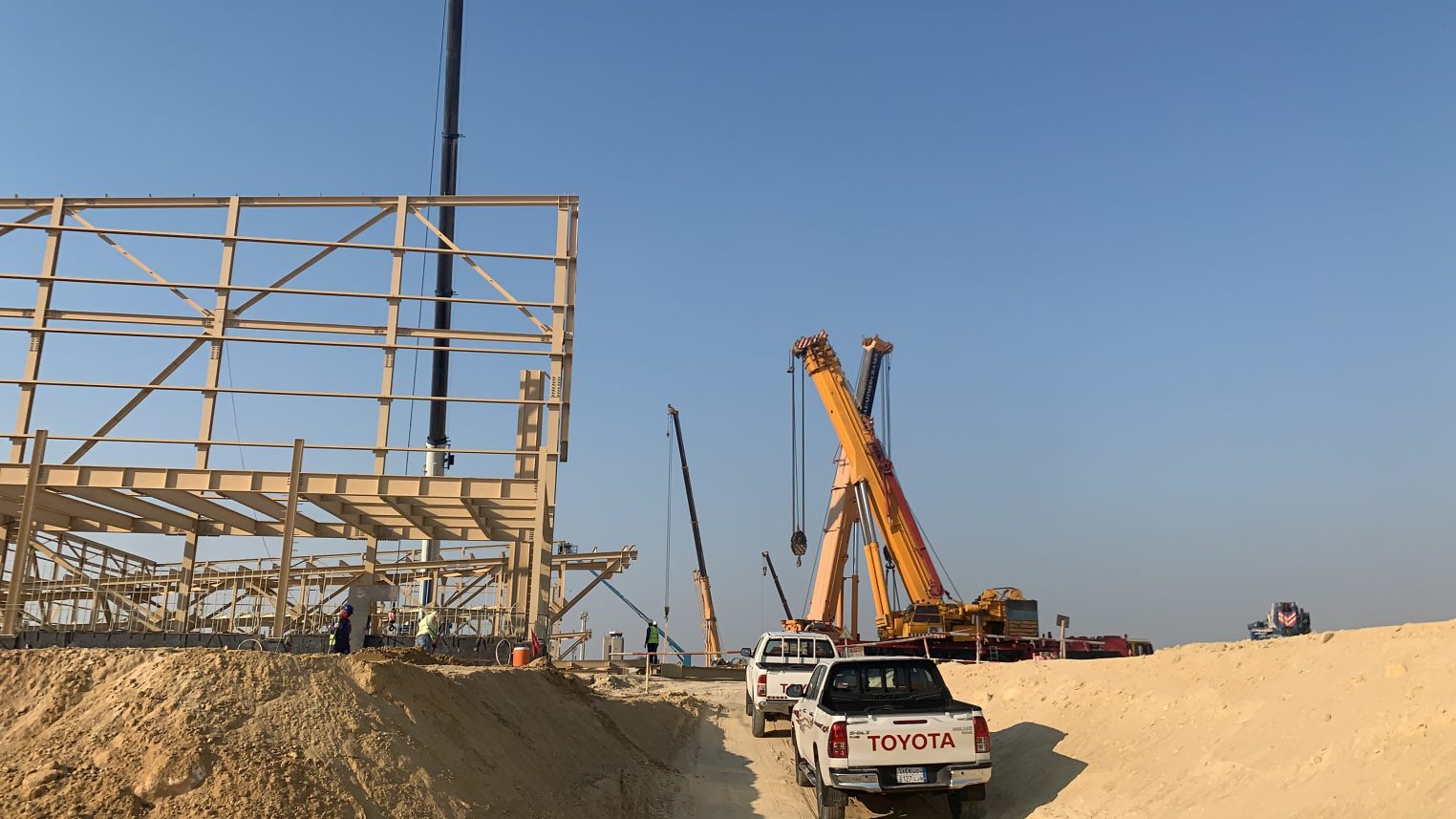
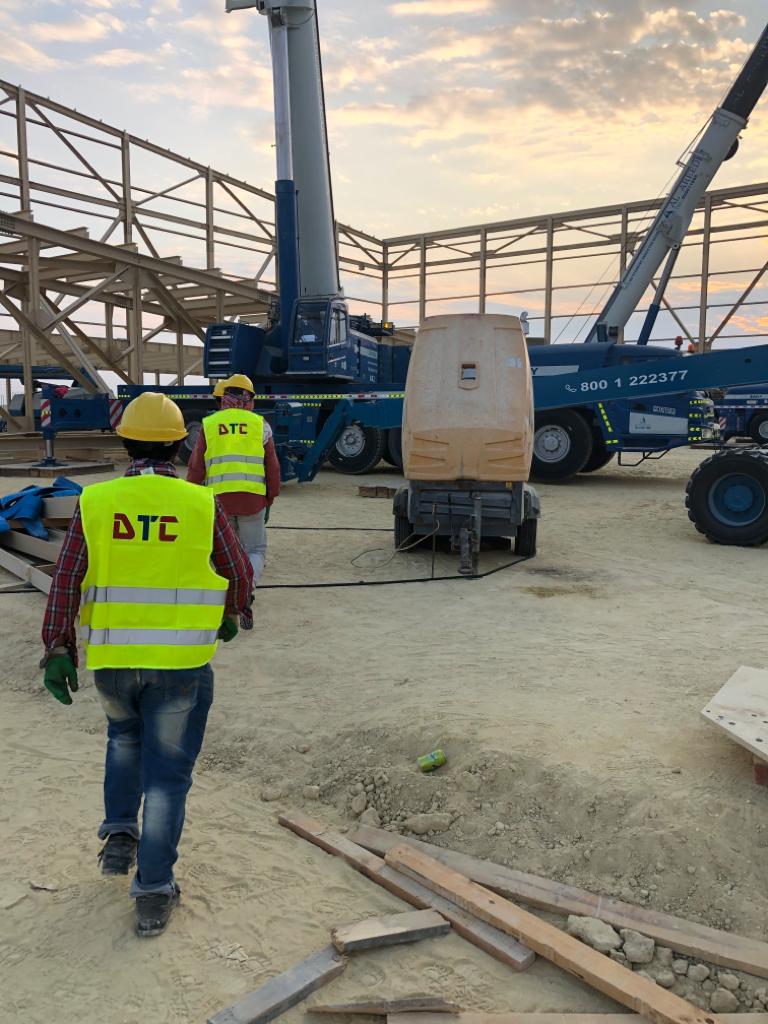
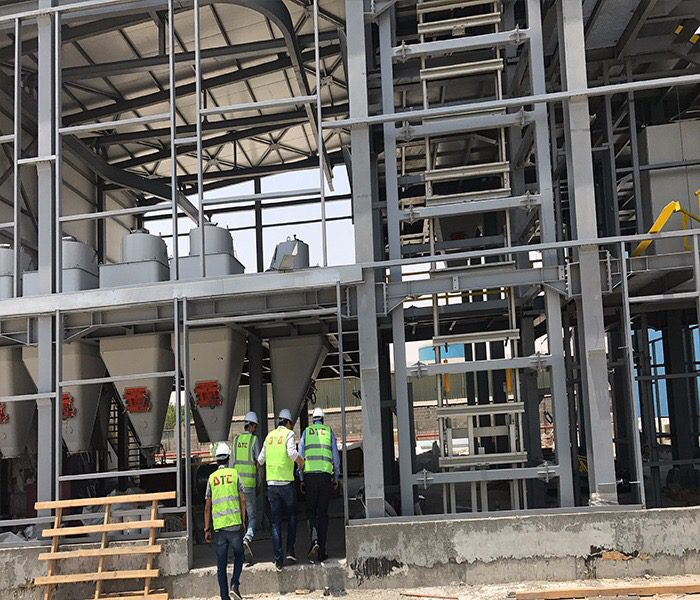
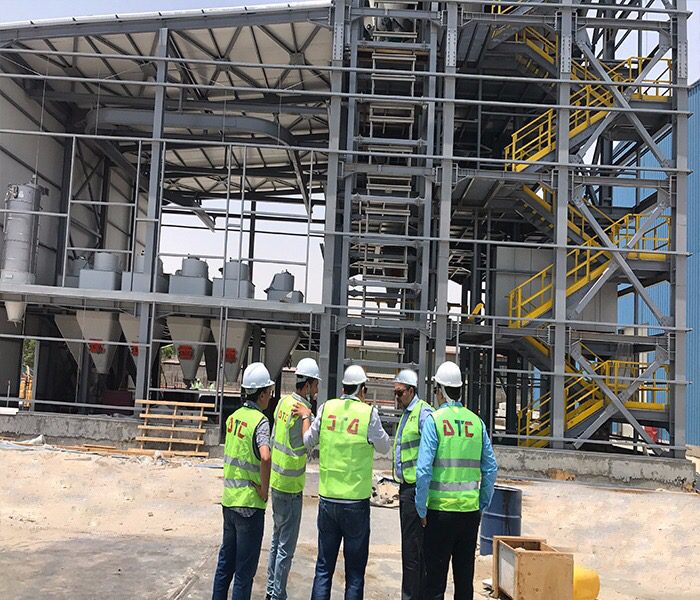
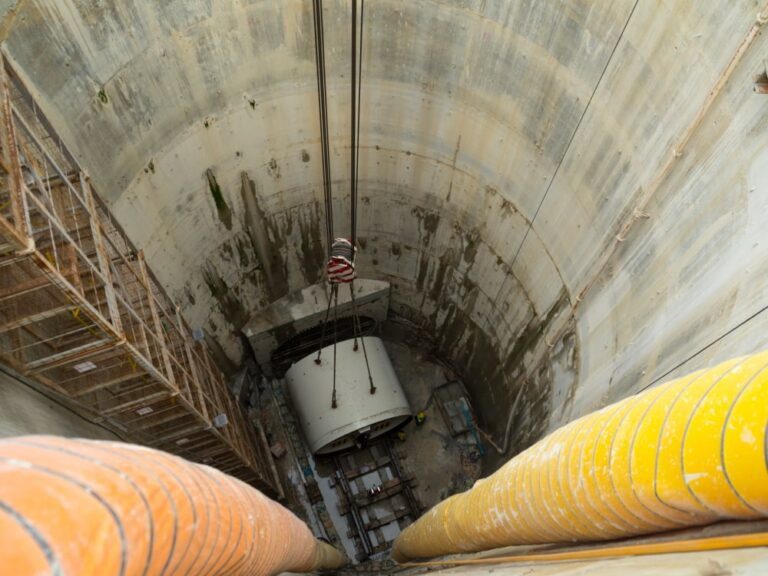
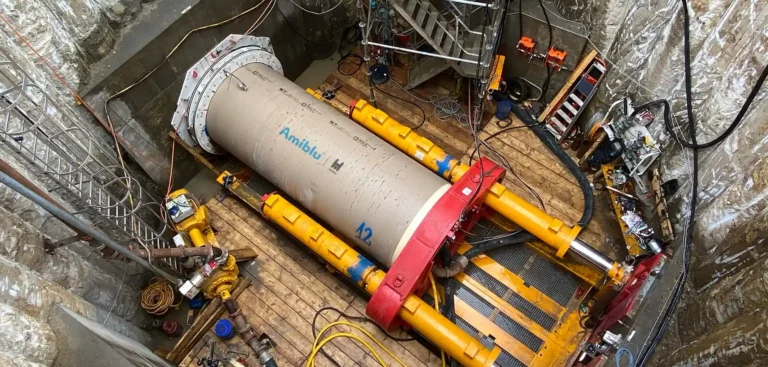
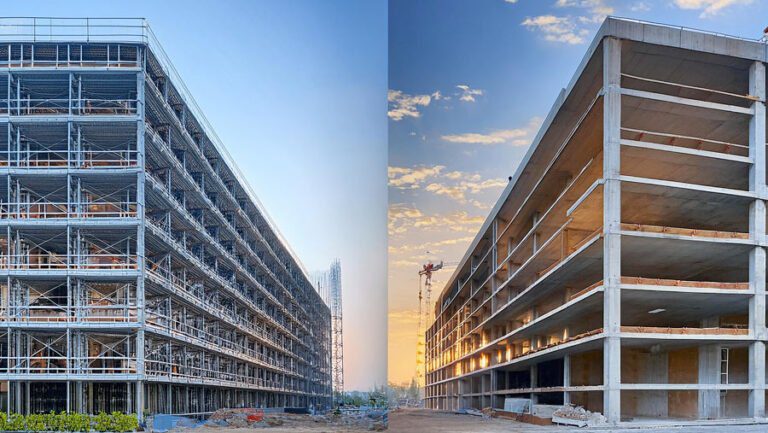
Construction and Industrial Facilities
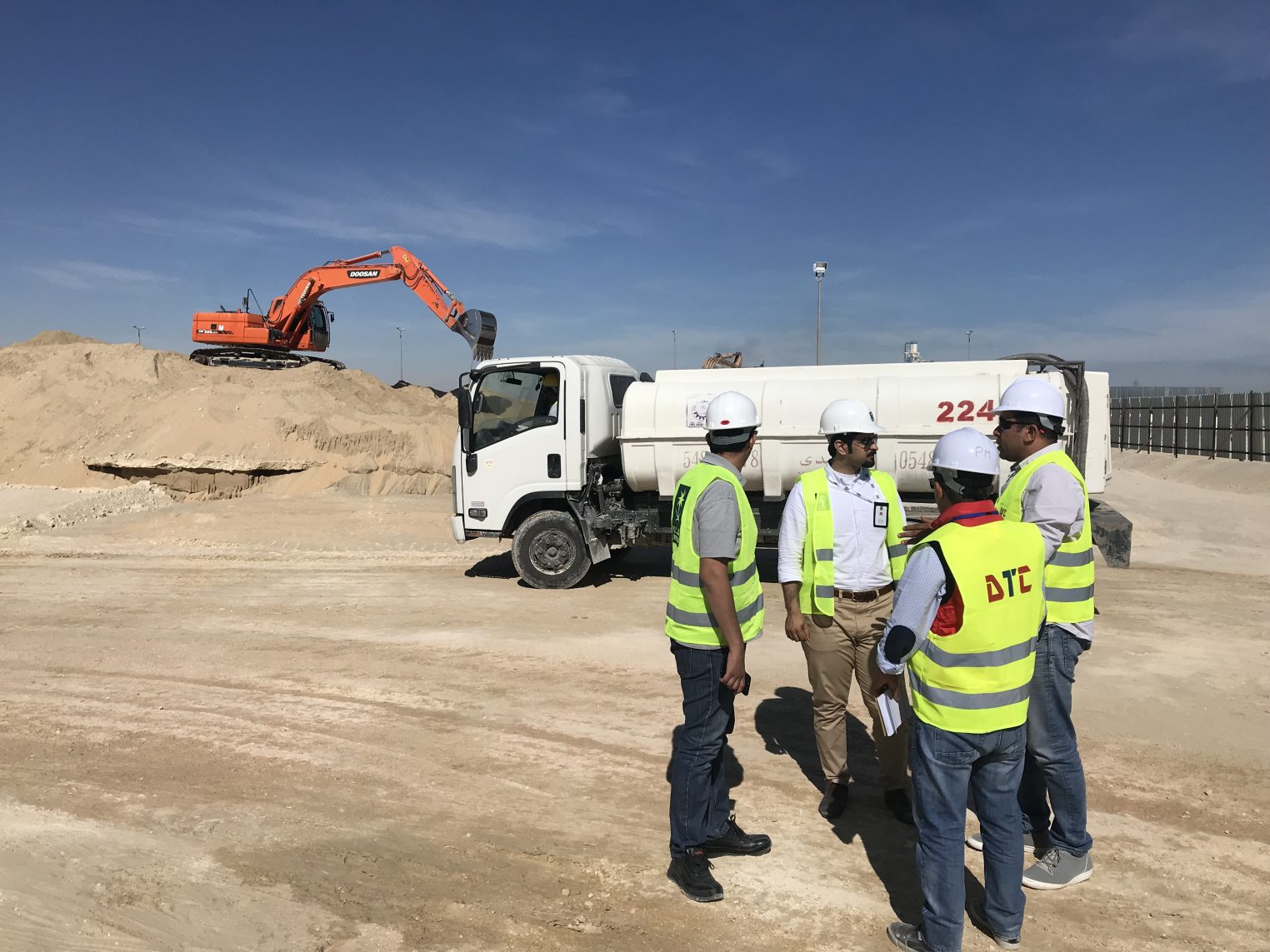
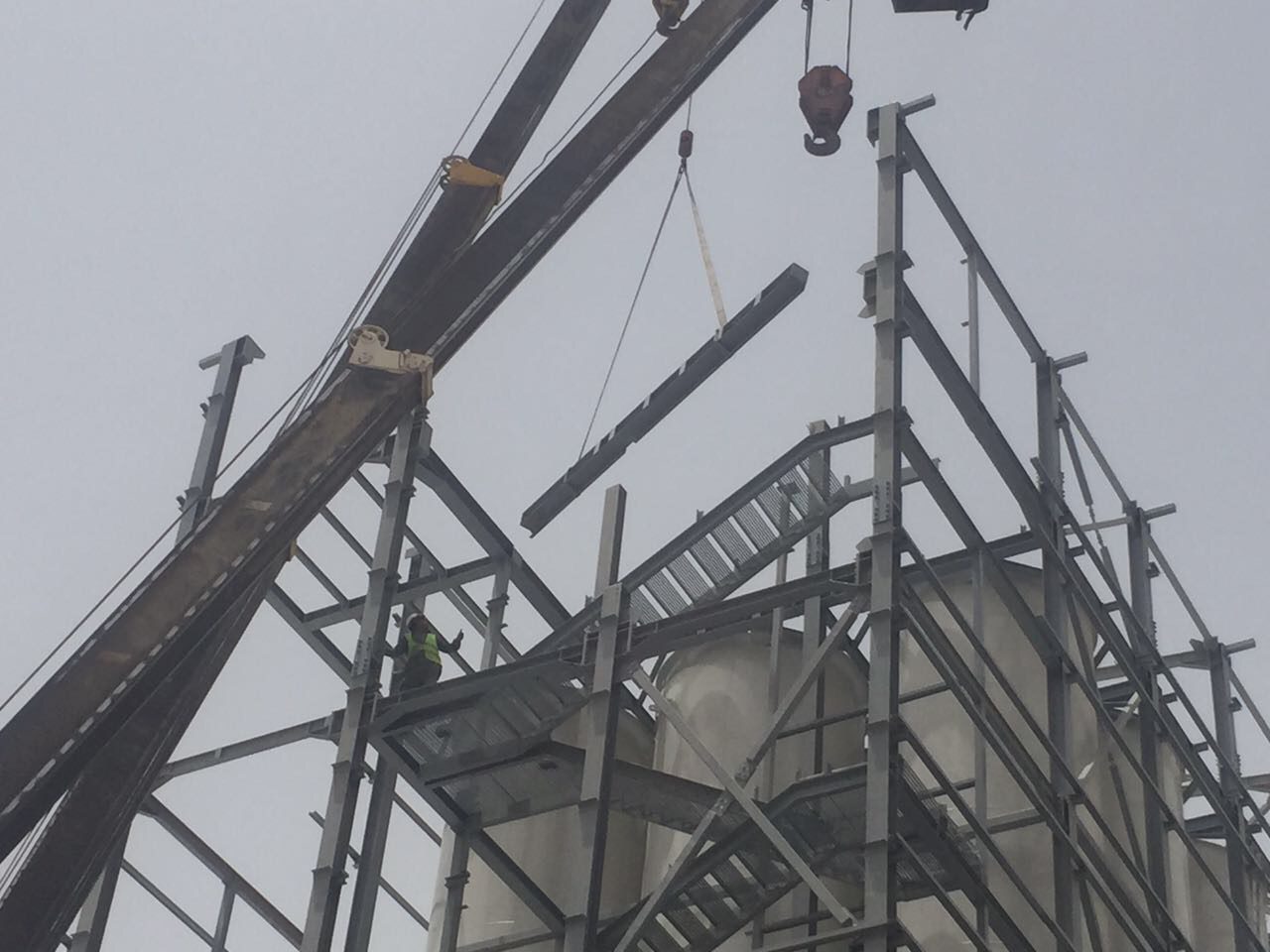
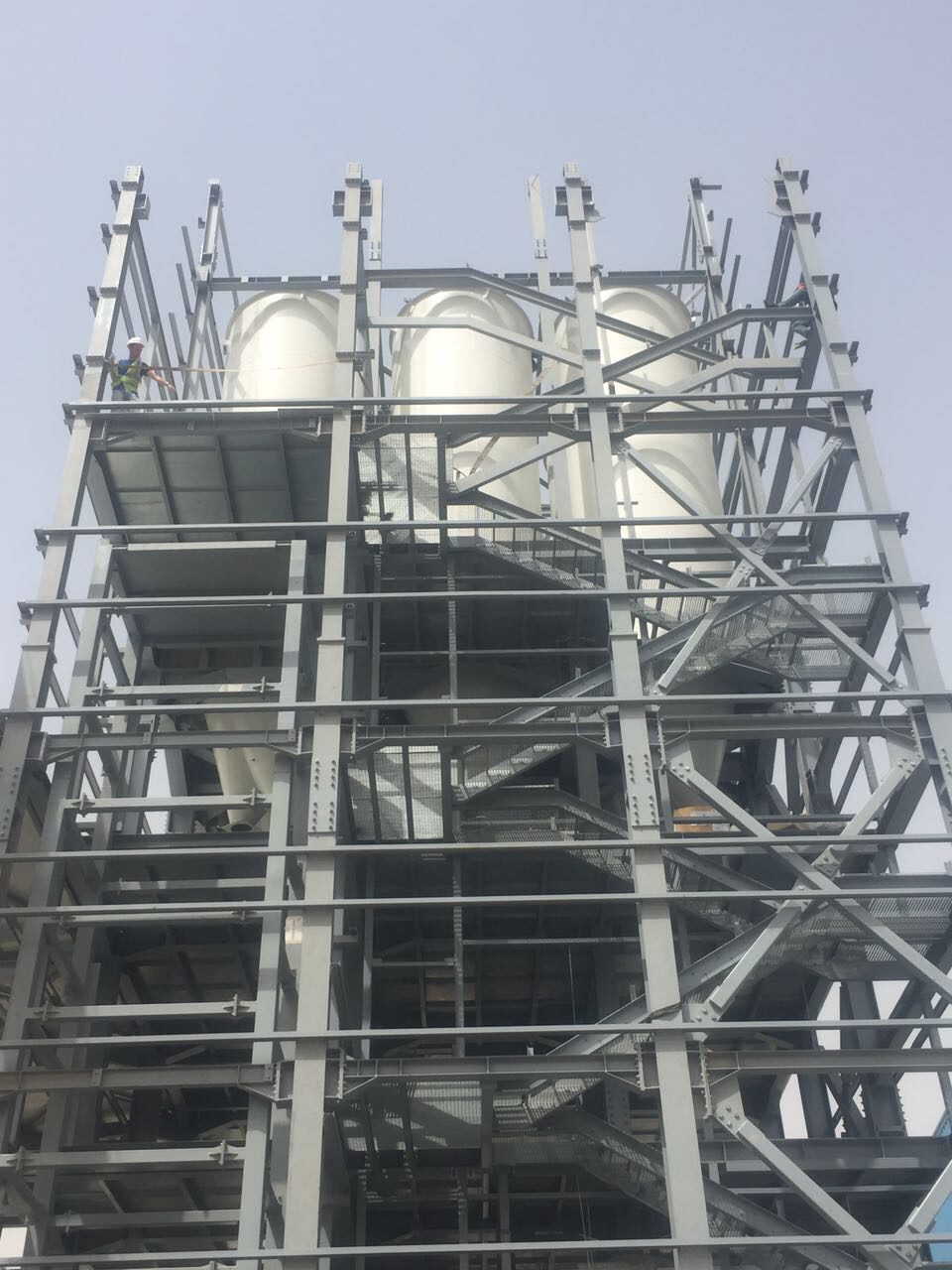
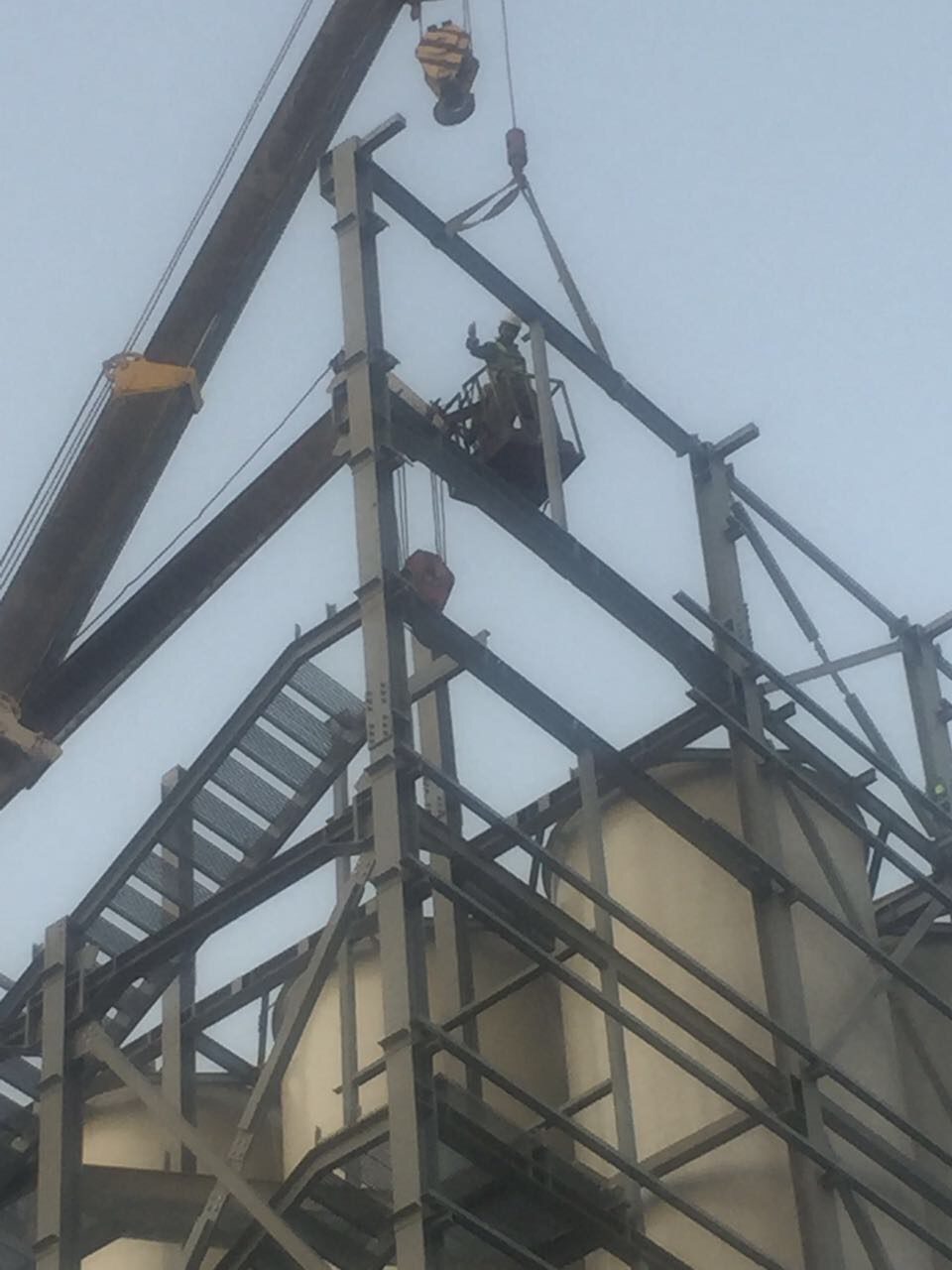
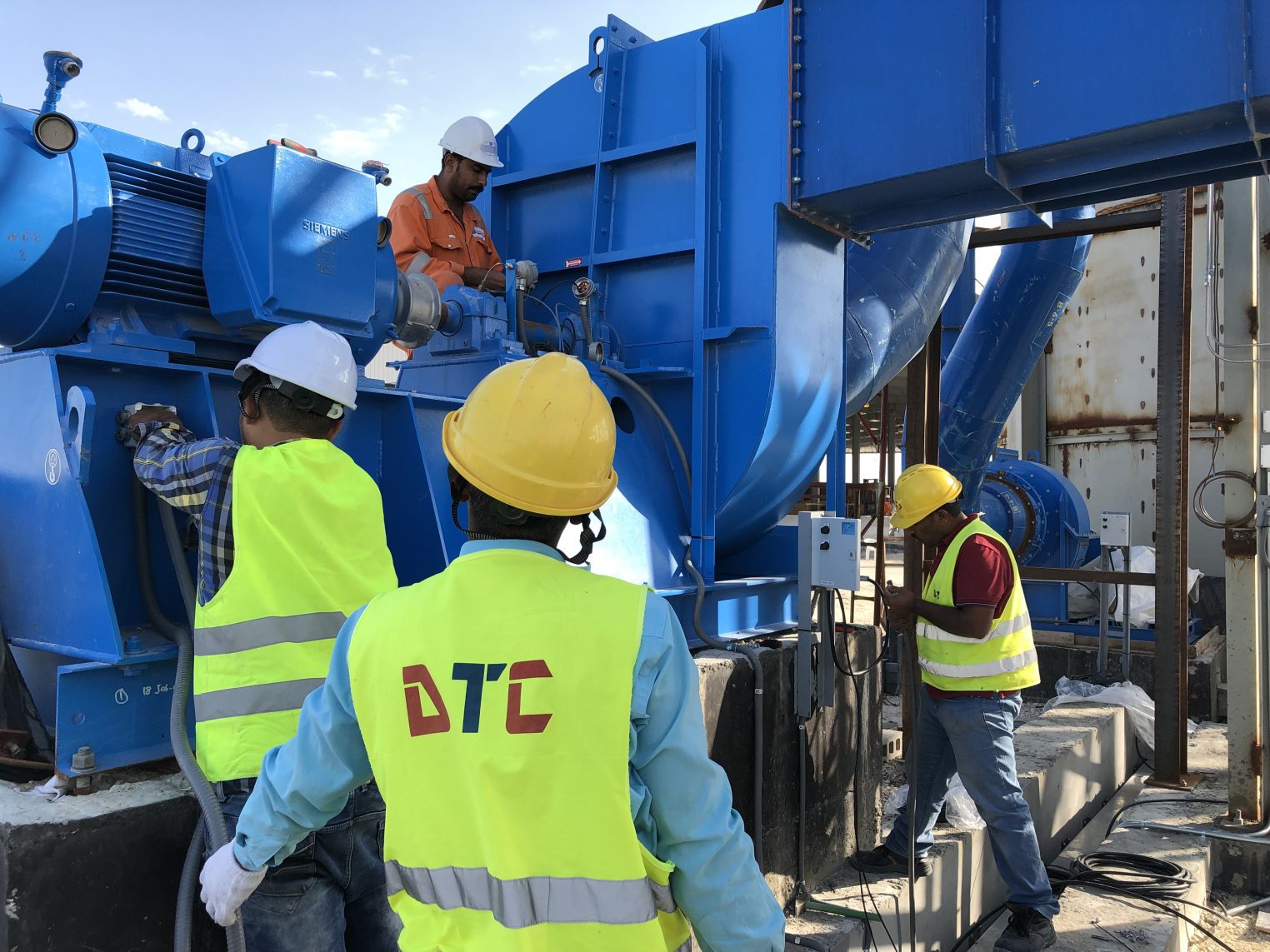
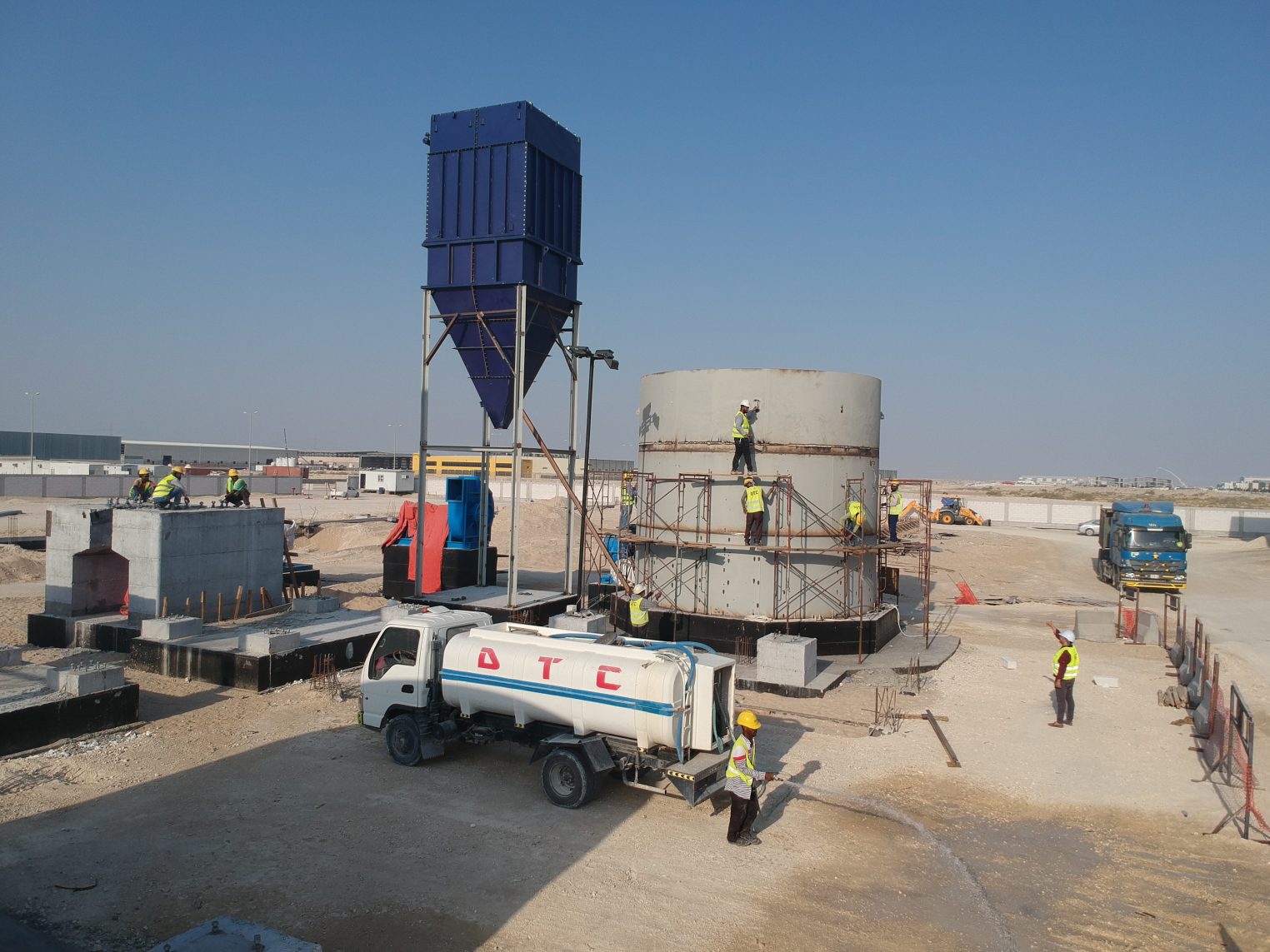
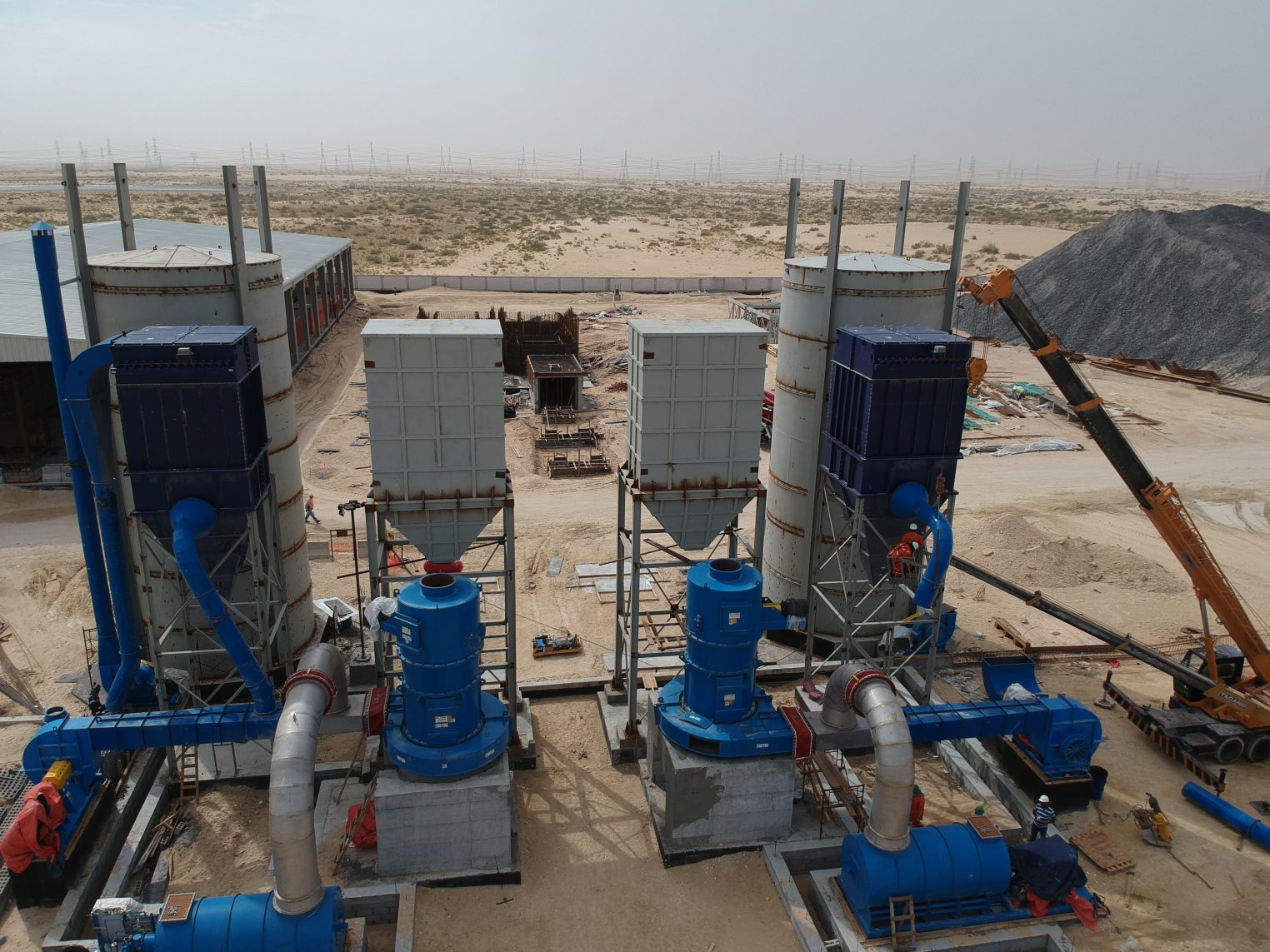
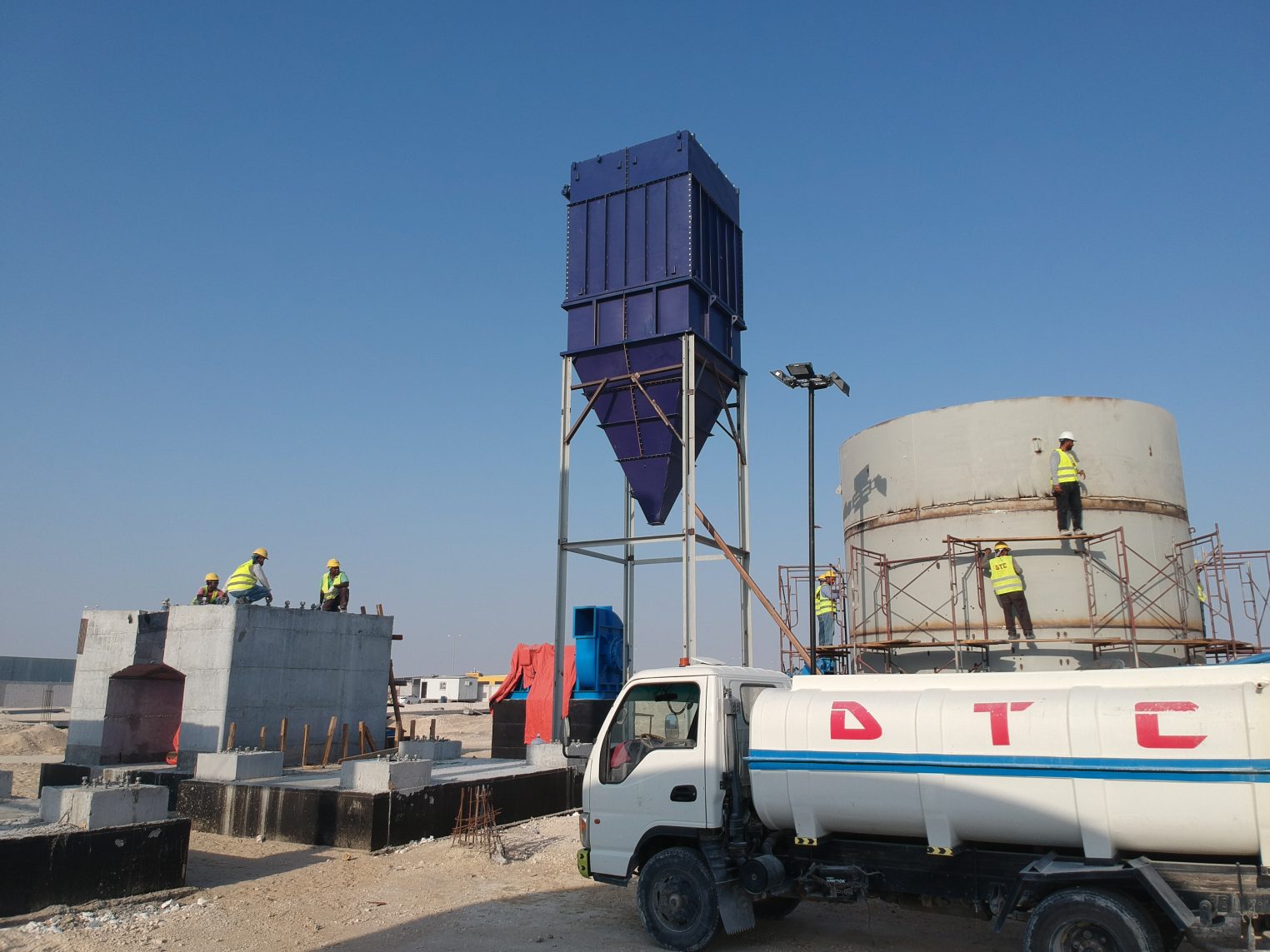
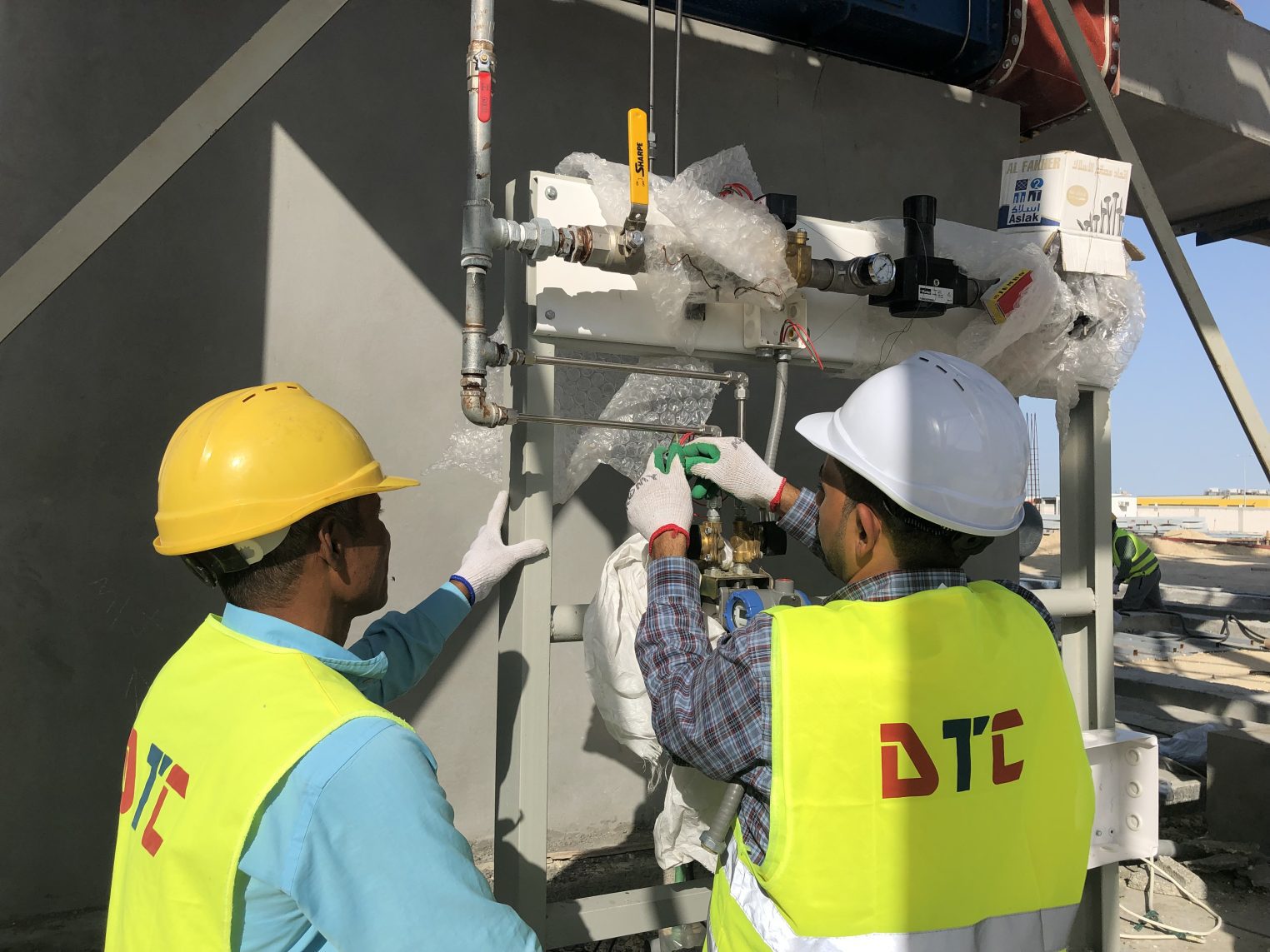
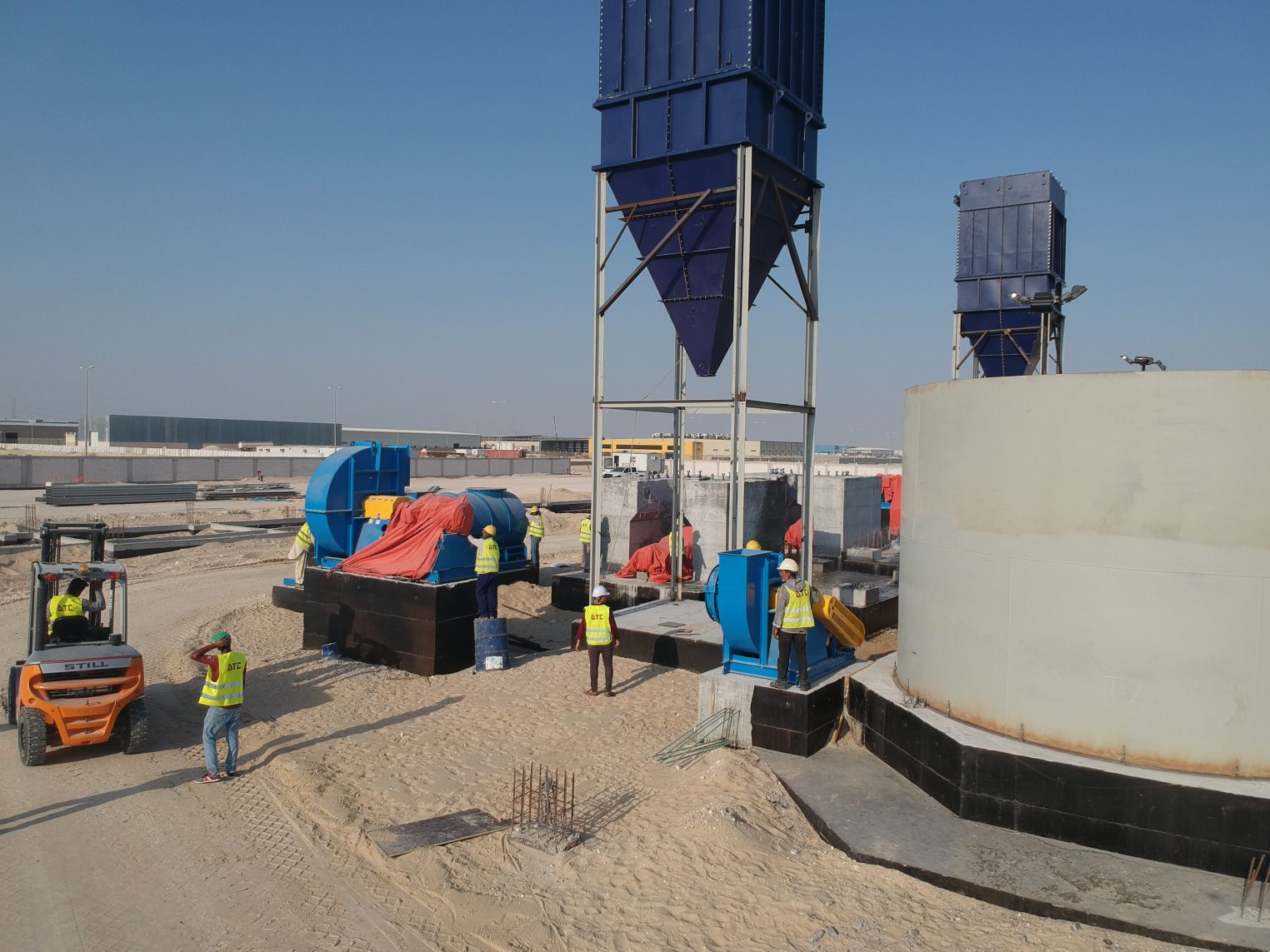
Industrial infrastructure also includes the physical construction of facilities such as:
-
Factories and production plants
-
Warehouses and logistics facilities
-
Cold storage and specialized industrial buildings
-
Utility buildings and service centers
These facilities are designed to meet international standards for safety, durability, and operational efficiency, often incorporating advanced construction technologies and sustainable design principles.
Environmental and Sustainability Considerations
Sustainability is a growing focus of industrial infrastructure development in Saudi Arabia. The Kingdom is promoting environmentally responsible practices to balance industrial growth with environmental protection.
Key sustainability initiatives include:
-
Energy-efficient industrial buildings
-
Use of renewable energy sources
-
Waste reduction and recycling programs
-
Environmental monitoring and compliance
-
Low-emission transport and logistics solutions
These measures align industrial development with global environmental standards and long-term sustainability goals.
Regulatory and Institutional Framework
Industrial infrastructure development in Saudi Arabia is supported by a strong regulatory and institutional framework that ensures consistency, transparency, and investor confidence.
This framework includes:
-
Clear industrial regulations and standards
-
Streamlined licensing and permitting processes
-
Investor protection and legal clarity
-
Coordination between government entities
-
Continuous improvement of ease of doing business
Such governance structures are essential for maintaining a stable and attractive industrial environment.
Role in Economic Diversification
Industrial infrastructure is a key enabler of Saudi Arabia’s economic diversification strategy. By providing the necessary foundation for manufacturing, processing, and logistics, it supports the growth of non-oil sectors and value-added industries.
This diversification leads to:
-
Increased domestic production
-
Expansion of exports
-
Development of local supply chains
-
Reduced reliance on imports
-
Strengthened economic resilience
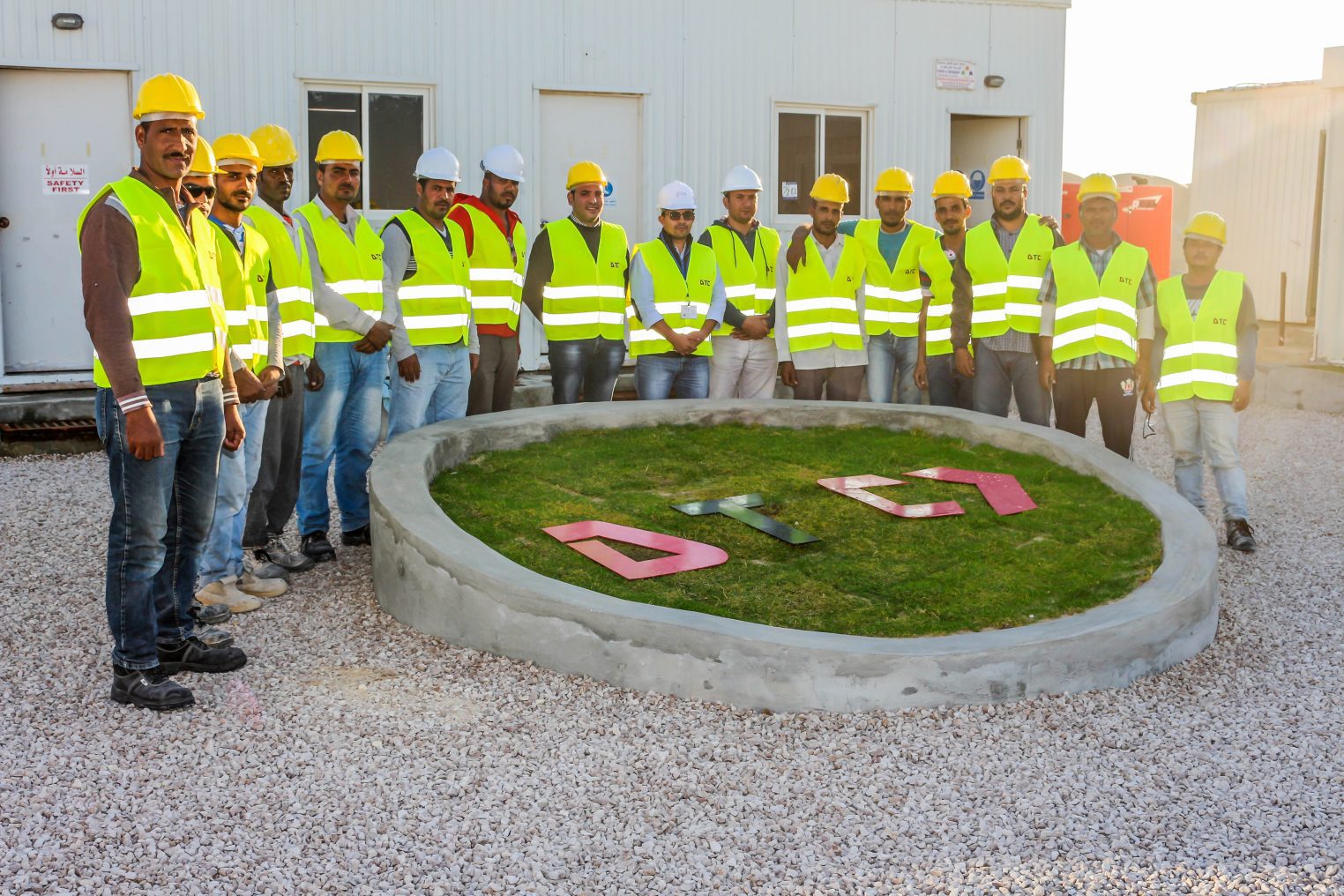
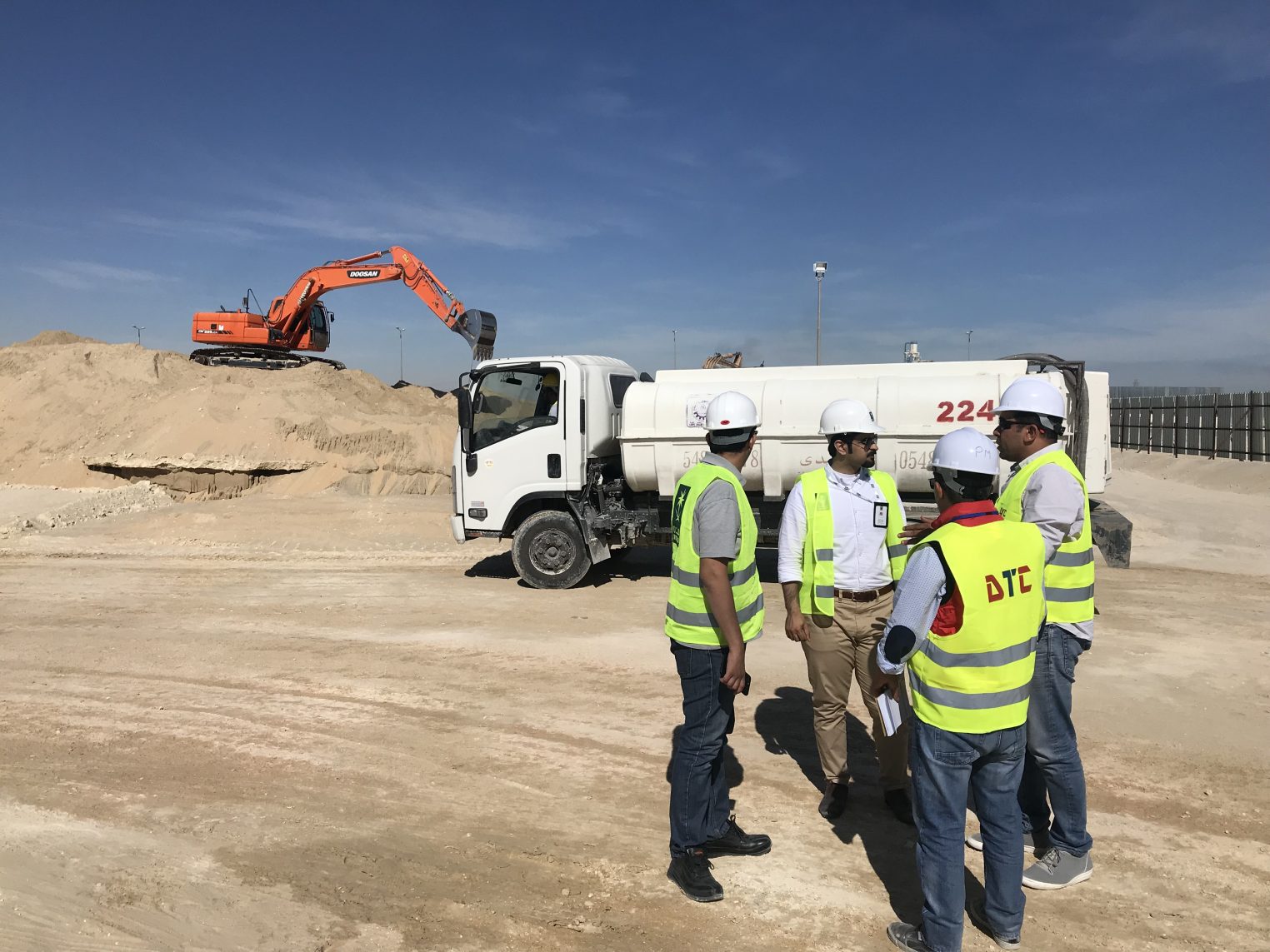
Employment and Human Capital Development
Industrial infrastructure creates large-scale employment opportunities across construction, manufacturing, logistics, engineering, and support services. It also supports skills development through:
-
Technical and vocational training
-
Knowledge transfer from international investors
-
Development of specialized industrial skills
-
Long-term career opportunities for the local workforce
This contributes directly to national employment and human capital development objectives.
Future Outlook for Industrial Infrastructure in Saudi Arabia
The future of industrial infrastructure in Saudi Arabia is driven by continued investment, innovation, and integration with global markets. Key trends shaping the future include:
-
Expansion of industrial cities and zones
-
Growth of advanced manufacturing and Industry 4.0
-
Increased focus on logistics and supply chain integration
-
Greater adoption of sustainable and Enhanced digitalization and smart industrial systems
These developments will further strengthen Saudi Arabia’s position as a leading industrial destination.
Industrial infrastructure in Saudi Arabia forms the backbone of the Kingdom’s economic transformation. Through strategic investment in industrial cities, transportation networks, utilities, digital systems, and sustainable facilities, Saudi Arabia has built a robust foundation that supports industrial growth, attracts investment, and enhances global competitiveness.