industrial construction in Saudi Arabia
Industrial Construction in Saudi Arabia: Opportunities, Growth, and Vision 2030
Introduction to Industrial Construction in Saudi Arabia
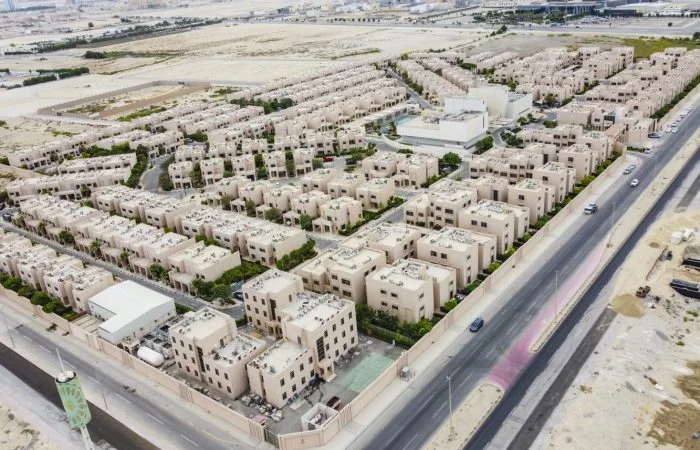
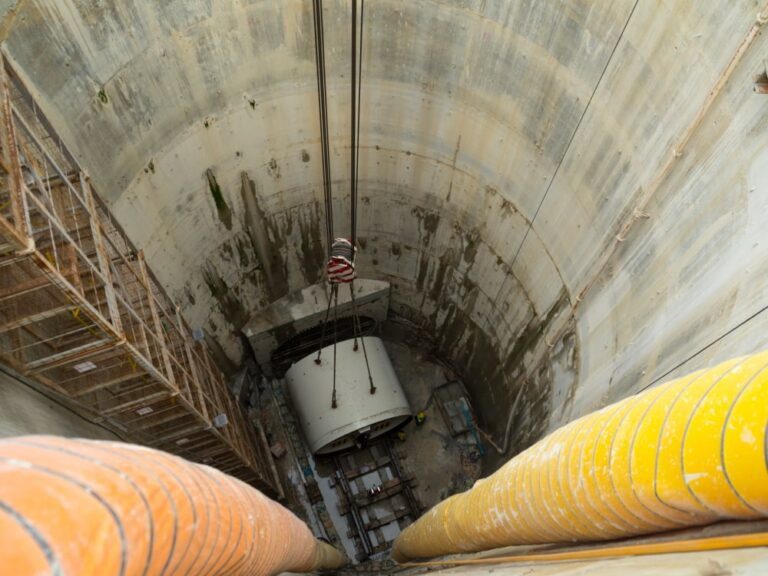
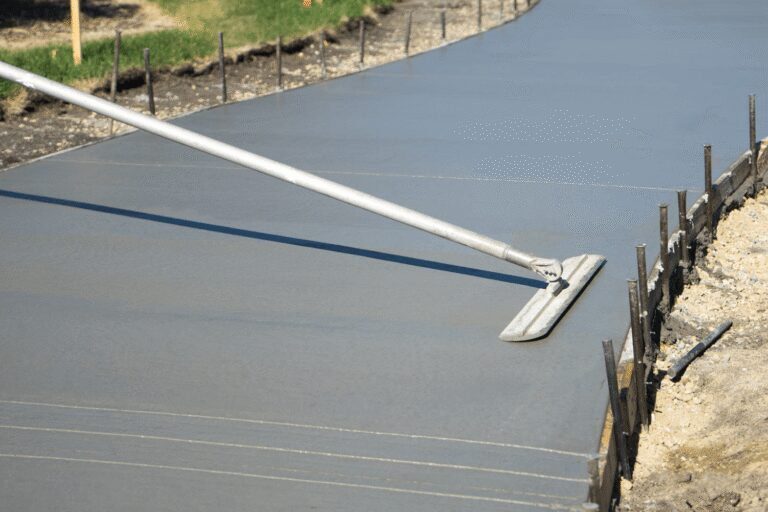
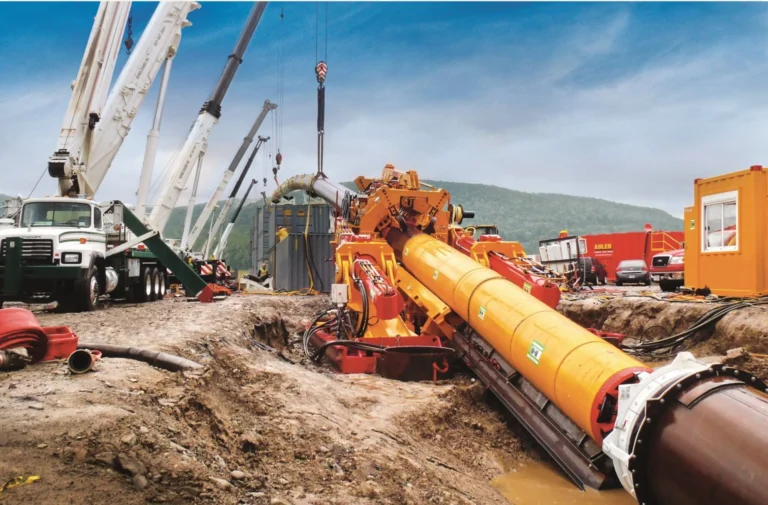
Industrial construction in Saudi Arabia has rapidly transformed the nation into one of the most competitive industrial hubs in the Middle East. The Kingdom is undergoing a historic shift from an oil-dependent economy to a diversified, innovation-driven ecosystem fueled by infrastructure, logistics, and advanced manufacturing.
Saudi Arabia’s Vision 2030 is the driving force behind this transformation. The government is investing billions into industrial cities, special economic zones, logistics corridors, and renewable energy projects, creating a powerful foundation for industrial growth.
Today, the Kingdom ranks among the world’s top destinations for industrial development, supported by world-class facilities, digital infrastructure, and strategic global trade access.
Historical Evolution of Industrial Construction in Saudi Arabia
From Oil Boom to Industrial Diversification
The industrial journey of Saudi Arabia began during the oil boom of the 1970s, when massive energy-driven projects like Jubail Industrial City were launched. Over the decades, the government’s focus has expanded from hydrocarbons to manufacturing, logistics, and sustainable energy.
Government Vision and Policy Framework
The National Industrial Development and Logistics Program (NIDLP) and Vision 2030 both emphasize industrialization as a key economic pillar. With structured industrial master plans and partnerships, Saudi Arabia aims to make industrial construction a backbone of its economy.
Key Sectors Driving Industrial Construction in Saudi Arabia
Petrochemical and Energy Projects
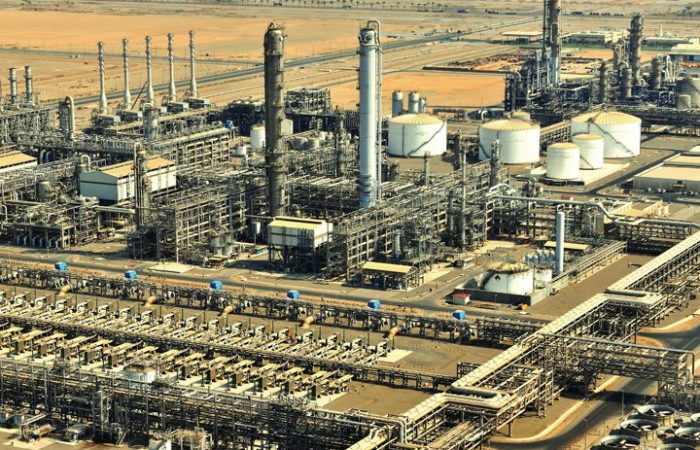
Saudi Arabia remains a leader in petrochemical construction, home to SABIC, Saudi Aramco, and the King Salman Energy Park (SPARK). These mega projects showcase how the country is integrating energy, manufacturing, and innovation into one seamless industrial ecosystem.
Logistics, Warehousing, and Manufacturing Hubs
Saudi Arabia’s geographic position gives it a competitive edge. Industrial construction projects in Jeddah, Riyadh, and Dammam support growing manufacturing demand, enabling faster exports through high-capacity ports and highways.
Renewable Energy and Green Industrial Facilities
As part of its climate commitments, Saudi Arabia is constructing solar power plants, hydrogen factories, and eco-friendly industrial complexes, contributing to global sustainability goals.
Major Industrial Construction Locations in Saudi Arabia
Riyadh – The Central Economic Powerhouse
Riyadh’s industrial zones, such as MODON Industrial City, host thousands of factories and warehouses. Its central location ensures fast connectivity to all major regions.
Jubail and Yanbu – Petrochemical Giants
Jubail Industrial City is the largest industrial complex in the world, with over $80 billion invested. Yanbu complements it with Red Sea access, supporting both export and petrochemical refining.
Jeddah and Dammam – Trade and Logistics Hubs
These cities are industrial gateways. With seaports, airports, and industrial clusters, they are ideal for logistics, shipping, and manufacturing investments.
NEOM, The Line, and Red Sea Industrial Corridors
Projects like NEOM, OXAGON, and The Line are redefining industrial construction. NEOM’s OXAGON is being built as the world’s largest floating industrial complex, powered entirely by clean energy.
Government Initiatives Supporting Industrial Construction
Vision 2030 and National Industrial Strategy
The Saudi government launched the National Industrial Strategy (NIS) to enhance competitiveness and attract FDI. Its objectives include sustainable construction practices, renewable energy integration, and digital industrialization.
MODON’s Role in Industrial Infrastructure Development
The Saudi Authority for Industrial Cities and Technology Zones (MODON) manages over 36 industrial cities with modern infrastructure, utilities, and logistics services.
Public-Private Partnership (PPP) Models
Saudi Arabia encourages PPPs to accelerate industrial projects. This model attracts international expertise and ensures high construction standards and cost efficiency.
Benefits of Investing in Industrial Construction in Saudi Arabia
Tax Incentives and Subsidies
Industrial investors enjoy corporate tax exemptions, customs duty relief, and 100% foreign ownership rights in most sectors.
Advanced Infrastructure and Technology Integration
Saudi Arabia is developing AI-enabled smart cities, robotic construction systems, and digital supply chains — all contributing to faster and more efficient industrial construction.
Access to Global Markets and Trade Routes
Located at the crossroads of Asia, Europe, and Africa, Saudi Arabia offers seamless export access through its 13 commercial ports and multiple industrial corridors.
Challenges in Industrial Construction and Their Solutions
Regulatory and Environmental Challenges
While regulations are evolving, the government is actively simplifying procedures through Invest Saudi and MISA (Ministry of Investment) to ease construction permits and licensing.
Workforce Localization and Training Needs
The Human Capability Development Program (HCDP) trains Saudi professionals for technical and industrial roles, promoting national employment in construction sectors.
Supply Chain and Material Availability Issues
Saudi Arabia is investing in domestic material production and industrial logistics to reduce import dependence and ensure construction continuity.
Sustainability and Smart Industrial Construction Trends
Green Building Standards and LEED Certification
Saudi Arabia now mandates eco-friendly building codes, including LEED and Estidama standards, promoting energy efficiency, water conservation, and waste reduction.
Smart Industrial Zones and IoT Integration
Modern industrial cities are equipped with IoT sensors, smart meters, and automated monitoring systems, enabling predictive maintenance and reduced energy consumption.
Future Outlook: Vision 2030 and Beyond
Digital Transformation in Industrial Construction
Automation, drones, 3D printing, and Building Information Modeling (BIM) are transforming industrial construction efficiency and accuracy.
Expansion of Industrial Cities and Economic Zones
By 2030, Saudi Arabia plans to expand industrial land availability by 50%, creating new hubs in Tabuk, Al-Kharj, and the Western Corridor.
Saudi Arabia’s Role in Global Manufacturing Networks
With free zones, trade agreements, and digital logistics systems, Saudi Arabia is becoming a bridge for global supply chains between East and West.
Case Studies of Successful Industrial Construction Projects
Jubail Industrial City Expansion
A model for integrated industrial planning, Jubail hosts thousands of plants in petrochemical, metal, and energy sectors — demonstrating the Kingdom’s industrial capacity.
NEOM’s Industrial Cluster Development
NEOM’s OXAGON represents the future — an advanced, carbon-neutral industrial city merging smart technologies with renewable energy.
King Salman Energy Park (SPARK) Project
SPARK is designed to support energy and manufacturing industries, generating over 100,000 jobs and boosting Saudi Arabia’s GDP significantly.
FAQs About Industrial Construction in Saudi Arabia
Q1: What is driving industrial construction in Saudi Arabia?
A: Vision 2030, economic diversification, and massive infrastructure investments are the main drivers.
Q2: Can foreign companies invest in Saudi industrial projects?
A: Yes, foreign investors can own 100% of their businesses and receive tax benefits.
Q3: Which are the top industrial construction cities in Saudi Arabia?
A: Riyadh, Jubail, Yanbu, Jeddah, and NEOM are the top industrial hubs.
Q4: How is Saudi Arabia promoting sustainable construction?
A: Through renewable energy integration, smart city frameworks, and green building regulations.
Q5: What sectors are growing fastest in industrial construction?
A: Petrochemicals, renewable energy, logistics, and high-tech manufacturing.
Q6: How does Vision 2030 impact industrial construction?
A: Vision 2030 provides long-term infrastructure funding, regulatory reforms, and innovation-driven industrial policies.
Conclusion
Industrial construction in Saudi Arabia stands as one of the strongest pillars of the Kingdom’s transformation story. With strategic investments, sustainability goals, and digital advancements, Saudi Arabia is not just building factories — it’s building the future of global industry.
The combination of Vision 2030’s policy support, foreign investment opportunities, and world-class infrastructure makes Saudi Arabia an unparalleled destination for industrial developers and manufacturers seeking long-term growth.