How Horizontal Directional Drilling (HDD) Works | Complete Guide for Trenchless Solutions in Saudi Arabia
How horizontal directional drilling works is a key topic for engineers, developers, and utility authorities in Saudi Arabia—and DTC delivers this complete guide to explain how HDD enables modern trenchless solutions for underground infrastructure with minimal surface disruption.
Saudi Arabia is investing heavily in infrastructure expansion, utility networks, industrial zones, oil & gas facilities, and urban development. In many cases, traditional open-cut excavation is not practical due to traffic congestion, safety risks, environmental impact, and operational disruption. This is where Horizontal Directional Drilling (HDD) plays a critical role.
HDD allows pipelines, conduits, and cables to be installed underground without digging continuous trenches, making it one of the most advanced and widely adopted trenchless construction methods in the Kingdom. The Eastern Province, particularly Dammam and Al Khobar, is a major hub for HDD applications due to dense infrastructure, industrial activity, and ongoing utility upgrades.
At DTC, we specialize in HDD trenchless solutions in Saudi Arabia, supporting infrastructure, municipal, and industrial projects with precision-engineered directional drilling services. This guide explains how HDD works, where it is used, its benefits, and why it has become the preferred trenchless method across the Kingdom.
Understanding Horizontal Directional Drilling (HDD)
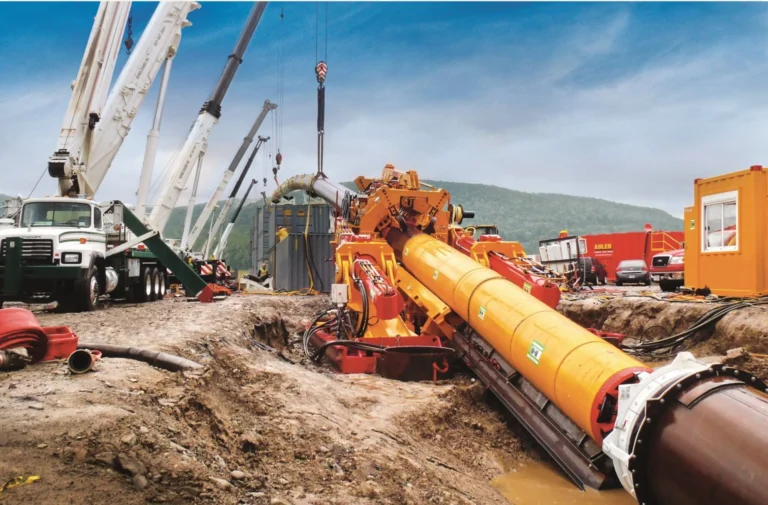
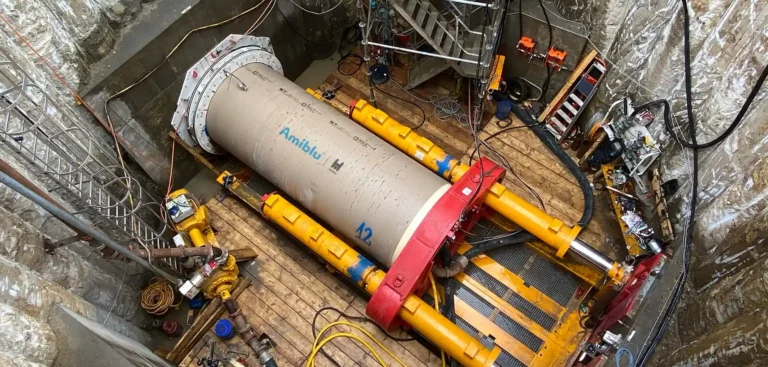
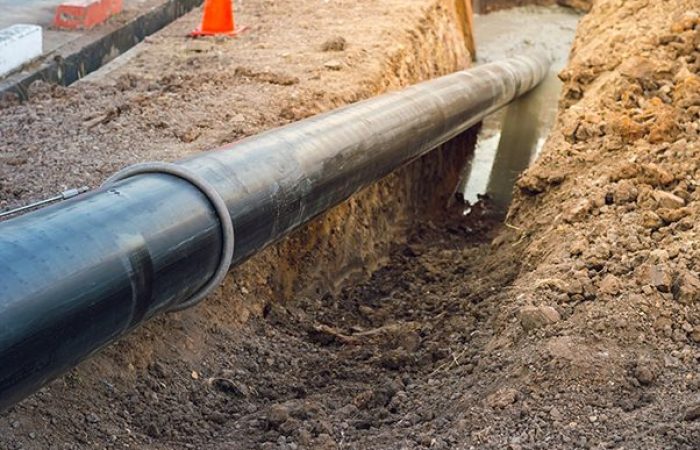
Horizontal Directional Drilling (HDD) is a steerable, trenchless drilling technique used to install underground pipelines, ducts, or cables along a designed curved bore path. Unlike traditional excavation, HDD avoids surface disruption by drilling beneath obstacles.
HDD is commonly used for:
-
Water transmission pipelines
-
Sewer and stormwater systems
-
Oil and gas pipelines
-
Electrical and telecom conduits
-
Industrial utility networks
In Saudi Arabia, HDD is essential for projects that must cross roads, highways, railways, canals, buildings, and existing utilities without disturbing surface operations.
Why HDD Is Widely Used in Saudi Arabia
Saudi Arabia’s construction and infrastructure environment makes HDD especially effective.
Key Reasons HDD Is Preferred
-
Dense urban development
-
High-traffic roads and highways
-
Industrial and oil & gas facilities
-
Environmental protection requirements
-
Limited right-of-way availability
HDD allows infrastructure projects to progress efficiently while protecting existing assets and minimizing public disruption.
Core Principles Behind How Horizontal Directional Drilling Works
The HDD method is based on three fundamental principles:
-
Directional control of the drill head
-
Continuous tracking and guidance during drilling
-
Trenchless pipe installation along a curved bore
These principles allow precise underground installations even over long distances and complex alignments.
How Horizontal Directional Drilling Works: Step-by-Step Process
To clearly understand how horizontal directional drilling works, the process can be divided into three main stages: pilot drilling, hole enlargement (reaming), and pipe installation.
Step 1: Site Investigation and Planning
Every successful HDD project begins with detailed planning.
Key Activities
-
Topographic and site surveys
-
Geotechnical and soil investigation
-
Identification of existing underground utilities
-
Bore path design and depth calculation
At DTC, planning ensures drilling accuracy, safety, and compliance with Saudi regulations.
Step 2: HDD Rig Setup and Site Preparation
Once planning is complete:
-
The HDD rig is positioned at the entry point
-
Entry and exit pits are prepared
-
Drilling fluid systems are installed
Proper setup is essential to maintain bore alignment and operational control.
Step 3: Pilot Hole Drilling
The pilot hole defines the exact path of the final installation.
How Pilot Drilling Works
-
A steerable drill bit is pushed into the ground
-
Direction is controlled using the drill head’s angled face
-
Drilling fluid lubricates the bit and stabilizes the bore
-
Real-time tracking monitors depth, alignment, and direction
This stage requires highly skilled operators and precise control.
Step 4: Steering and Tracking Systems
Accurate steering is what distinguishes HDD from conventional drilling.
Common Tracking Technologies
-
Walk-over tracking systems
-
Wireline steering systems
-
Gyroscopic guidance systems
DTC selects the appropriate tracking method based on bore length, depth, and site constraints.
Step 5: Hole Enlargement (Reaming)
After the pilot hole reaches the exit point, it must be enlarged.
Reaming Process
-
A reamer tool is attached to the drill string
-
The reamer is pulled back while rotating
-
Multiple reaming passes may be required for large diameters
Reaming ensures the bore can safely accommodate the pipeline or conduit.
Step 6: Pipe or Conduit Installation
Once reaming is complete:
-
Pipes are welded or jointed on site
-
The pipe string is attached to the drill string
-
Controlled pullback installs the pipe through the bore
Drilling fluid reduces friction and protects the pipe during installation.
Step 7: Completion and Surface Restoration
After installation:
-
Entry and exit pits are backfilled
-
Drilling fluids are managed responsibly
-
Surface areas are restored
HDD leaves minimal surface impact compared to open-cut excavation.
Equipment Used in Horizontal Directional Drilling
Successful HDD operations rely on specialized equipment.
Core HDD Equipment
-
Directional drilling rigs
-
Drill rods and drill heads
-
Reamers and cutting tools
-
Drilling fluid mixing systems
-
Tracking and guidance instruments
DTC deploys modern HDD equipment suitable for Saudi Arabia’s ground conditions.
Applications of HDD in Saudi Arabia
HDD is used across multiple sectors.
Municipal and Utility Infrastructure
-
Water pipelines
-
Sewer and drainage lines
-
Power and telecom ducts
Oil, Gas, and Energy Projects
-
Pipeline crossings beneath roads and pipelines
-
Utility corridors within industrial facilities
Industrial and Commercial Developments
-
Factory utilities
-
Process pipelines
-
Underground cable routing
Road, Highway, and Railway Crossings
HDD allows installations without interrupting traffic or operations.
Advantages of Horizontal Directional Drilling
Minimal Surface Disruption
Reduced Environmental Impact
Improved Safety
High Installation Accuracy
Faster Project Delivery
These advantages make HDD one of the most efficient trenchless solutions available.
HDD vs Traditional Open-Cut Excavation
| Aspect | HDD Method | Open-Cut Method |
|---|---|---|
| Surface disruption | Minimal | Extensive |
| Traffic impact | Low | High |
| Environmental impact | Reduced | Significant |
| Safety | Higher | Lower |
| Project duration | Shorter | Longer |
Ground Conditions and HDD Suitability in Saudi Arabia
Saudi Arabia presents diverse soil conditions:
-
Sand and silty sand
-
Clay formations
-
Limestone and rock layers
HDD can be adapted to these conditions through proper tooling and drilling fluid design.
Safety and Environmental Considerations
HDD projects must comply with:
-
Saudi HSE regulations
-
Environmental protection standards
-
Utility authority requirements
DTC prioritizes safety, environmental responsibility, and regulatory compliance.
Common Challenges in HDD Projects
Bore Deviation
Drilling Fluid Loss
Ground Instability
Pipe Stress During Pullback
DTC mitigates these challenges through planning, skilled crews, and real-time monitoring.
Why Choose DTC for Horizontal Directional Drilling in Saudi Arabia
-
Strong presence in Dammam and Al Khobar
-
Experienced HDD engineers and operators
-
Modern drilling rigs and guidance systems
-
Full compliance with Saudi regulations
-
Proven track record in infrastructure and industrial projects
DTC delivers HDD trenchless solutions with precision and reliability.
HDD’s Role in Modern Infrastructure Development
HDD supports:
-
Smart city infrastructure
-
Underground utility modernization
-
Sustainable construction practices
Trenchless technology is essential for future-ready infrastructure networks.
Advancing Underground Infrastructure Through HDD Expertise
Understanding how horizontal directional drilling works explains why HDD has become a modern, reliable, and environmentally responsible solution for underground infrastructure in Saudi Arabia. By enabling precise trenchless installations beneath critical assets, HDD supports safe and efficient project delivery.
With DTC, clients gain a trusted HDD partner that understands Saudi Arabia’s ground conditions, regulatory environment, and infrastructure challenges. Across Dammam, Al Khobar, and the wider Eastern Region, DTC delivers Horizontal Directional Drilling solutions that support durable, high-performance underground networks.