Horizontal Directional Drilling (HDD): Importance of Soil Investigation and Profile Drawings
Introduction to Horizontal Directional Drilling (HDD)
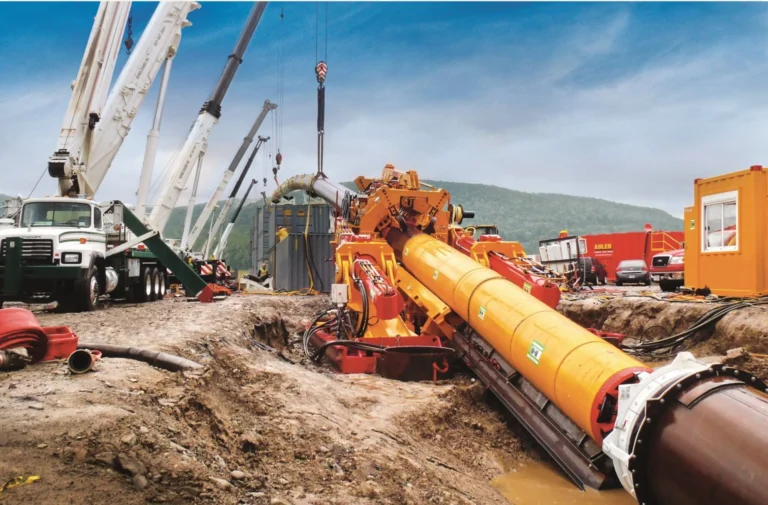
Horizontal Directional Drilling (HDD) is a trenchless construction method used to install underground utilities such as pipelines, conduits, and cables. It is especially effective in areas where open-cut excavation is impractical or environmentally sensitive—such as under rivers, roads, or densely developed urban zones.
HDD involves three primary stages:
-
Pilot Hole Drilling: A small-diameter pilot hole is drilled along a pre-determined path.
-
Reaming (Enlarging the Hole): The pilot hole is widened using reamers to accommodate the utility.
-
Pullback: The utility pipe or conduit is pulled back through the enlarged hole.
While HDD minimizes surface disruption and reduces environmental impact, its success depends significantly on subsurface conditions. This is where soil investigation reports and profile drawings play critical roles.
The Role of Soil Investigation in HDD Projects
1. Understanding Soil Stratigraphy
A soil investigation provides detailed information about the subsurface layers—such as type (clay, sand, silt, rock), moisture content, and density. Different soil types respond differently to drilling:
-
Clay: Generally stable, but may swell or stick to drilling equipment.
-
Sand: May collapse easily and is prone to fluid loss.
-
Rock: Requires specialized tools and may slow down progress.
Understanding these characteristics allows engineers to select the appropriate drilling fluids, tools, and techniques.
2. Identifying Hazards
Soil investigations help identify potential underground obstacles such as:
-
Boulders or cobbles
-
Groundwater levels
-
Contaminated soil or buried debris
Early detection of such conditions helps in planning risk mitigation strategies and avoiding costly delays or equipment damage.
3. Classifying Drilling Conditions
Soils are typically classified based on ease of drilling:
-
Ideal: Firm clay or sandy clay with moderate moisture
-
Moderate: Loamy or silty soils
-
Challenging: Gravelly, rocky, or water-saturated soils
These classifications influence the type of rig used, bore path design, and project duration.
Importance of Profile Drawings in HDD
A profile drawing is a longitudinal cross-section of the HDD alignment that illustrates:
-
Ground surface elevations
-
Bore path geometry (entry/exit points, depth, curvature)
-
Subsurface soil layers (based on investigation)
-
Existing underground utilities and structures
-
Water table location
Key Benefits:
-
Route Optimization: Helps engineers design a path that avoids problematic zones and existing utilities.
-
Bore Path Control: Ensures the bore remains within acceptable tolerances for depth and curvature.
-
Conflict Avoidance: Reduces risk of damaging existing infrastructure.
-
Permit Compliance: Many jurisdictions require profile drawings for regulatory approval.
Integration of Soil Report and Profile Drawing in HDD Design
Successful HDD projects integrate the geotechnical data from soil investigations directly into the profile drawing. This integration provides a holistic view of:
-
Where soil transitions occur along the bore path
-
Where special construction techniques might be necessary (e.g., casing through unstable soil)
-
Depth adjustments needed to avoid poor soil or high groundwater
Modern HDD design software even allows 3D visualization, blending bore geometry with soil layers, enabling better decision-making and communication between contractors, engineers, and clients.
Conclusion
Horizontal Directional Drilling is a powerful solution for underground utility installation, but its success hinges on thorough preparation. Soil investigation reports and profile drawings are not merely supporting documents—they are essential tools for HDD design, planning, and execution. When used together, they reduce risk, improve accuracy, and enhance project outcomes by aligning the design with real-world ground conditions.