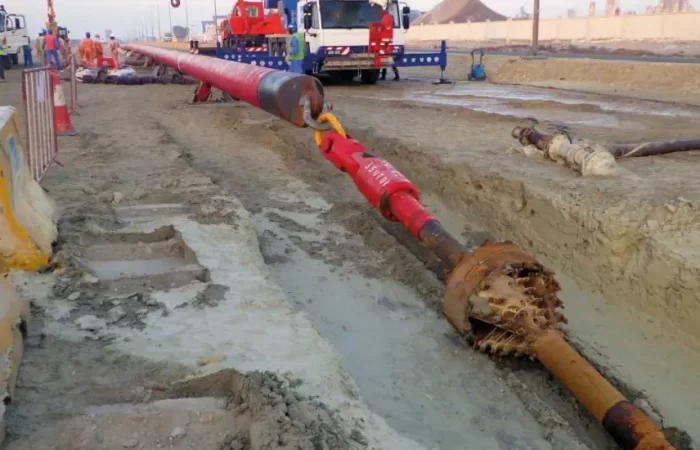

HDD vs Open Cut Method in Saudi Arabia
Comparing Trenchless and Traditional Excavation Techniques for Modern Infrastructure
As infrastructure development accelerates across Saudi Arabia, the demand for efficient, cost-effective, and environmentally responsible pipeline installation methods continues to grow. From water pipelines and sewer systems to oil & gas infrastructure and telecom networks, selecting the right construction method is critical.
Two of the most commonly used methods are:
• Horizontal Directional Drilling (HDD)
• Open Cut Excavation
Each method has its advantages, limitations, and ideal applications depending on project conditions.
Understanding the differences between HDD and Open Cut methods helps project owners, engineers, and contractors choose the most effective solution for their infrastructure projects.
What Is HDD (Horizontal Directional Drilling)?
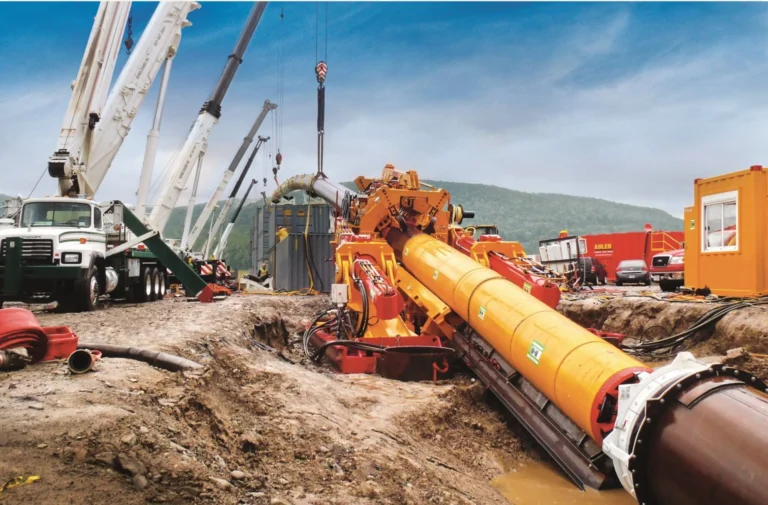
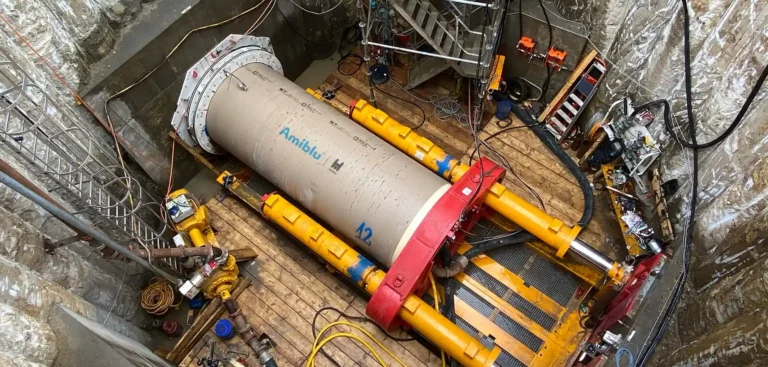
Horizontal Directional Drilling (HDD) is a trenchless construction method used to install underground pipelines and utilities without extensive surface excavation.
Key Features of HDD
✔ Minimal surface disruption
✔ Suitable for crossing roads, rivers, and urban areas
✔ Precise directional drilling technology
✔ Reduced environmental impact
HDD is widely used in urban areas such as Dammam and Riyadh, where maintaining surface infrastructure is critical.
What Is the Open Cut Method?
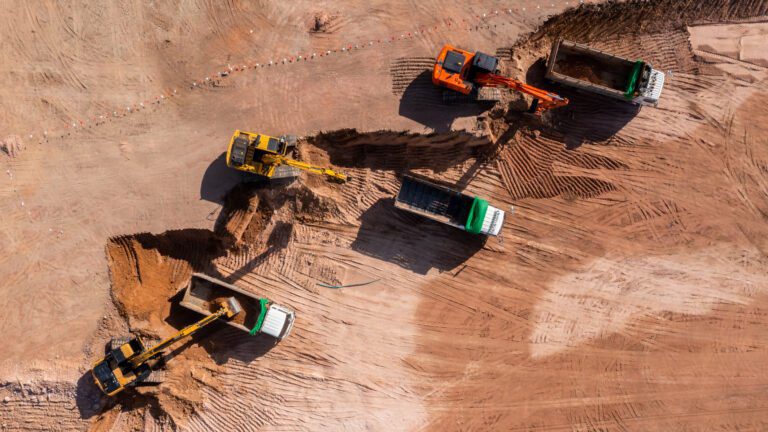
The Open Cut method is a traditional excavation technique where trenches are dug along the pipeline route, and utilities are installed directly into the trench before backfilling.
Key Features of Open Cut
✔ Simple and widely used method
✔ Lower initial equipment cost
✔ Suitable for shallow installations
✔ Easy inspection during installation
This method is commonly used in less congested areas or where surface disruption is manageable.
Key Differences Between HDD and Open Cut Method
1️⃣ Construction Technique
HDD:
• Uses drilling rigs to install pipelines underground
• No need for continuous trenching
Open Cut:
• Requires full trench excavation along pipeline route
• Involves backfilling and surface restoration
2️⃣ Surface Disruption
HDD:
✔ Minimal disruption
✔ Ideal for urban and high-traffic areas
Open Cut:
✖ Significant disruption
✖ Requires road closures and excavation
3️⃣ Cost Comparison
HDD:
• Higher initial setup cost
• Lower restoration and social costs
Open Cut:
• Lower initial cost
• Higher restoration and indirect costs
4️⃣ Project Speed
HDD:
✔ Faster in complex crossings
✔ Reduces delays in urban areas
Open Cut:
• Slower due to excavation and restoration
• Affected by traffic and environmental constraints
5️⃣ Environmental Impact
HDD:
✔ Environmentally friendly
✔ Minimal soil disturbance
Open Cut:
✖ Higher environmental impact
✖ Soil displacement and waste generation
6️⃣ Safety Considerations
HDD:
✔ Safer for workers and public
✔ Reduced exposure to open trenches
Open Cut:
✖ Higher safety risks
✖ Requires extensive safety measures
Applications of HDD in Saudi Arabia
HDD is widely used for:
• Road and highway crossings
• Oil & gas pipeline installations
• Water and sewer networks
• Telecom and fiber optic installations
• Urban infrastructure projects
Cities like Al Khobar and Jubail increasingly rely on trenchless technology for infrastructure expansion.
Applications of Open Cut Method
Open Cut is suitable for:
• Rural and open areas
• Shallow pipeline installations
• Projects with minimal traffic disruption
• Short-distance pipeline installations
It remains a cost-effective solution for straightforward projects.
When to Choose HDD Over Open Cut
HDD is the preferred method when:
✔ Working in congested urban environments
✔ Crossing roads, railways, or water bodies
✔ Minimizing environmental impact is critical
✔ Reducing project disruption is required
When to Choose Open Cut Method
Open Cut is suitable when:
✔ Project area is open and accessible
✔ Budget constraints are significant
✔ Pipeline depth is shallow
✔ Surface restoration is manageable
Challenges in HDD and Open Cut Methods
HDD Challenges
• High initial setup cost
• Requires skilled operators
• Geological limitations
Open Cut Challenges
• Traffic disruption
• Environmental impact
• Longer project timelines
• Higher restoration costs
Infrastructure Trends in Saudi Arabia Beyond
With continued development under Vision 2030, infrastructure projects in Saudi Arabia are increasingly adopting advanced construction methods.
Future trends include:
• Increased use of trenchless technologies
• Smart infrastructure development
• Sustainable construction practices
• Reduced environmental impact solutions
HDD is expected to play a growing role in modern infrastructure projects across the Kingdom.
HDD vs Open Cut Method in Saudi Arabia
Choosing between HDD and Open Cut methods depends on project requirements, site conditions, budget, and environmental considerations.
HDD Advantages
• Minimal disruption
• Faster project execution in urban areas
• Environmentally friendly
• Ideal for complex crossings
Open Cut Advantages
• Lower initial cost
• Simpler execution
• Suitable for open areas
For modern infrastructure projects across Dammam, Al Khobar, Jubail, Riyadh, and across Saudi Arabia, HDD offers a more advanced and sustainable solution, especially in urban and high-traffic environments.
However, Open Cut remains a practical and cost-effective method for simpler, less constrained projects.
Understanding these methods allows project stakeholders to select the most efficient, safe, and cost-effective pipeline installation approach in Saudi Arabia.