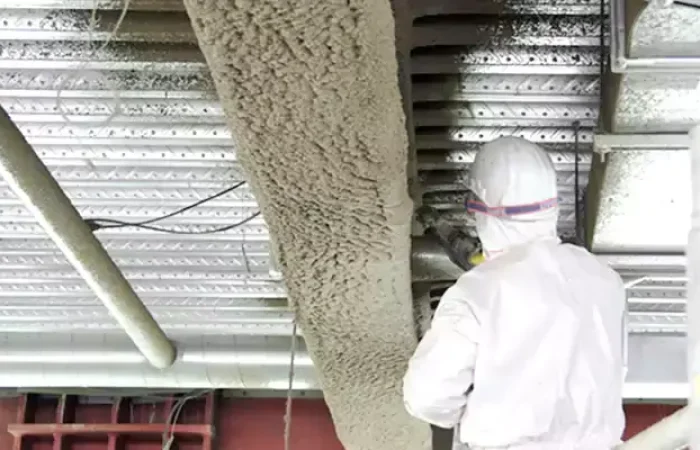
Fireproofing of Steel Structures in Saudi Arabia
Saudi Arabia’s construction sector has experienced unprecedented growth over the past two decades. Mega industrial zones, logistics hubs, oil & gas facilities, commercial towers, airports, and warehouses dominate the skylines of cities such as Riyadh, Dammam, Khobar, Jeddah, Jubail, Yanbu, and NEOM. At the heart of most of these developments lies structural steel—a material valued for its strength, speed of construction, and flexibility.
However, steel has a critical limitation: it loses strength rapidly when exposed to fire. Without proper protection, steel structures can fail within minutes during a fire event. This makes fireproofing of steel structures in Saudi Arabia not only a regulatory requirement but a vital life-safety and asset-protection measure.
At DTC General Contracting, fireproofing steel structures is a specialized service delivered in full compliance with Saudi Building Code (SBC), Civil Defense regulations, and international fire protection standards.
This article provides an in-depth look at steel fireproofing in Saudi Arabia, covering requirements, systems, applications, materials, installation practices, and why DTC is a trusted fireproofing contractor across the Kingdom.
1. Understanding Fireproofing of Steel Structures
Fireproofing is a form of Passive Fire Protection (PFP). Unlike active fire systems such as sprinklers or alarms, passive fire protection is permanently built into the structure and works automatically during a fire.
Purpose of Fireproofing Steel
Fireproofing steel structures aims to:
-
Delay temperature rise in steel members
-
Maintain load-bearing capacity during fire exposure
-
Prevent premature structural collapse
-
Allow safe evacuation of occupants
-
Enable firefighting operations
-
Reduce property damage and business interruption
Steel is non-combustible, but it is not fire-resistant. At temperatures above 500°C, steel loses a significant portion of its strength, making fireproofing essential.
2. Fire Risk and Steel Behavior in Fire
When exposed to fire:
-
At 300°C, steel starts losing stiffness
-
At 550°C, steel loses around 50% of its strength
-
At 750–800°C, steel can lose up to 90% of its load-bearing capacity
This rapid strength loss can lead to:
-
Beam deflection
-
Column buckling
-
Progressive collapse
In large industrial and commercial buildings common in Saudi Arabia, fireproofing steel structures is critical to avoid catastrophic failure.
3. Fireproofing Regulations in Saudi Arabia
3.1 Saudi Building Code (SBC)
The Saudi Building Code (SBC) mandates minimum fire resistance ratings for steel structures depending on:
-
Building occupancy
-
Height and floor area
-
Fire load
-
Usage type (industrial, commercial, residential)
Typical fire ratings include:
-
30 minutes
-
60 minutes
-
90 minutes
-
120 minutes
-
180 minutes (high-risk industrial facilities)
3.2 Saudi Civil Defense Requirements
Saudi Civil Defense approval is mandatory for:
-
Warehouses
-
Factories
-
Commercial buildings
-
Oil & gas facilities
Fireproofing systems must be tested, approved, and properly documented.
3.3 International Standards Followed
DTC General Contracting applies internationally recognized standards:
-
ASTM E119 / UL 263
-
EN 13381
-
NFPA 251
-
ISO 834
-
UL Listed & FM Approved systems
These ensure fireproofing performance under real fire conditions.
4. Types of Fireproofing Systems for Steel Structures
DTC offers a full range of certified fireproofing solutions suitable for Saudi Arabia’s climate and construction needs.
4.1 Intumescent Fireproofing Coatings
Intumescent coatings are thin-film paints that expand when exposed to heat, forming a thick insulating char.
Key Features
-
Thin and lightweight
-
Smooth, architectural finish
-
Fire ratings up to 120 minutes
-
Ideal for exposed steel
Applications in Saudi Arabia
-
Office towers in Riyadh
-
Airports and malls
-
Hotels and commercial buildings
-
Architectural steel structures
Advantages
-
Aesthetic appearance
-
Minimal added weight
-
Easy inspection and maintenance
DTC uses UL-listed and climate-tested intumescent coatings designed for high temperatures and humidity.
4.2 Cementitious Fireproofing (CAF)
Cementitious fireproofing uses gypsum or cement-based materials applied to steel.
Characteristics
-
Thick insulating layer
-
High fire resistance
-
Cost-effective
Applications
-
Factories
-
Warehouses
-
Power plants
-
Industrial buildings
Advantages
-
Fire ratings up to 4 hours
-
Economical for large steel areas
-
Proven performance
4.3 Spray-Applied Fire Resistive Materials (SFRM)
Spray-applied fireproofing is one of the most common systems in industrial projects.
Materials Used
-
Mineral fiber fireproofing
-
Cementitious spray
-
Gypsum-based fireproofing
Applications
-
Logistics centers
-
Parking structures
-
Oil & gas facilities
-
Manufacturing plants
DTC ensures correct thickness, density, and adhesion through strict quality control.
4.4 Fireproof Boards and Encasement Systems
Fireproof boards physically encase steel members.
Board Types
-
Calcium silicate boards
-
Fire-rated gypsum boards
-
Cement boards
-
Mineral wool panels
Applications
-
Hospitals
-
Schools
-
Data centers
-
Residential and mixed-use projects
Benefits
-
Clean installation
-
High durability
-
Excellent fire and acoustic performance
4.5 Concrete Encasement of Steel
Concrete encasement provides inherent fire resistance.
Applications
-
Structural columns
-
Cores
-
Heavy industrial structures
Advantages
-
Long service life
-
High fire resistance
-
Structural enhancement
5. Fireproofing Design Considerations
Effective steel fireproofing design depends on several factors:
5.1 Section Factor (Hp/A)
The section factor determines how quickly steel heats up. Higher section factors require thicker fireproofing.
5.2 Environmental Conditions
Saudi Arabia’s climate presents challenges:
-
Extreme heat
-
Coastal humidity (Jeddah, Dammam)
-
Dust and sand exposure
-
Industrial corrosion
DTC selects systems tested for these conditions.
5.3 Durability Requirements
Fireproofing must withstand:
-
Mechanical damage
-
Vibration
-
Moisture
-
Maintenance activities
6. Applications of Steel Fireproofing in Saudi Arabia
6.1 Industrial Facilities
-
Factories
-
Steel plants
-
Chemical processing units
6.2 Warehouses & Logistics Centers
Large-span steel structures require high fire resistance and Civil Defense approval.
6.3 Oil & Gas Sector
-
Refineries
-
Power plants
-
Substations
Fireproofing systems must resist extreme fire scenarios.
6.4 Commercial Buildings
-
Offices
-
Shopping malls
-
Hotels
Aesthetic fireproofing solutions are often required.
7. Installation Methodology by DTC General Contracting
DTC follows strict method statements:
-
Surface inspection and preparation
-
Cleaning and rust removal
-
Primer application (if required)
-
Fireproofing application
-
Thickness measurement
-
Adhesion and density testing
-
Final inspection and documentation
All works are approved by consultants and authorities.
8. Inspection, Testing, and Quality Control
Quality assurance includes:
-
Dry film thickness measurement
-
Density checks (SFRM)
-
Adhesion testing
-
Visual inspection
-
Full documentation and certification
9. Maintenance of Fireproofing Systems
Fireproofing systems must be:
-
Inspected periodically
-
Repaired if damaged
-
Reapplied if compromised
Regular maintenance ensures long-term compliance and safety.
10. Why Choose DTC General Contracting
DTC General Contracting is a trusted name for fireproofing of steel structures in Saudi Arabia, offering:
-
Certified fireproofing systems
-
Compliance with SBC, ASTM, UL, EN, and NFPA
-
Experienced engineering and application teams
-
Turnkey fireproofing services
-
Proven industrial and commercial project experience
Fireproofing of steel structures in Saudi Arabia is a critical requirement for safety, compliance, and asset protection. Without proper fireproofing, steel structures are vulnerable to rapid failure during fire events.
DTC General Contracting delivers reliable, tested, and compliant fireproofing solutions that protect steel structures across Riyadh, Dammam, Jeddah, Khobar, and beyond—ensuring safety, durability, and regulatory approval throughout the Kingdom.
fireproofing of steel structures in Saudi Arabia, steel fireproofing Saudi Arabia, fireproofing steel Riyadh, steel fireproofing Dammam, fireproofing steel Jeddah, steel fireproofing Khobar, industrial fireproofing Saudi Arabia, warehouse steel fireproofing KSA, factory steel fireproofing Saudi Arabia, passive fire protection steel Saudi Arabia, intumescent coating Saudi Arabia, intumescent fireproofing Riyadh, cementitious fireproofing Saudi Arabia, spray applied fireproofing KSA, SFRM fireproofing Saudi Arabia, fireproof boards for steel Saudi Arabia, steel structure fire protection KSA, Saudi building code fireproofing, Civil Defense fireproofing approval