What Is Fireproofing for Steel Structures?What Is Fireproofing for Steel Structures?
A Complete Guide by DTC General Contracting – Saudi Arabia
Introduction
Steel structures are the backbone of modern construction. From high-rise towers and industrial plants to warehouses, factories, and commercial buildings, structural steel provides strength, flexibility, and speed of construction. However, despite its strength, steel has one major vulnerability — fire.
At elevated temperatures, steel loses its load-bearing capacity. Without proper protection, a steel structure can weaken and collapse in a relatively short period during a fire incident. This is why fireproofing for steel structures is not just an optional enhancement — it is a critical life-safety requirement.
At DTC General Contracting, we specialize in delivering certified, high-performance fireproofing solutions across Saudi Arabia. Our expertise ensures compliance with Saudi Civil Defense regulations, international standards, and project specifications.
This comprehensive guide explains what fireproofing is, why it is necessary, the types available, application methods, standards, and why DTC General Contracting is a trusted partner in steel fire protection.
1. Understanding Steel Behavior in Fire
Steel is a non-combustible material. It does not burn. However, this does not mean it is fire-resistant.
When exposed to high temperatures:
-
At approximately 400°C, steel begins to lose strength.
-
At 550°C, it may lose around 50% of its structural capacity.
-
At 700°C and above, steel can lose up to 80% or more of its strength.
In a building fire, temperatures can exceed 1,000°C within minutes. Without protection, structural failure may occur rapidly, leading to collapse, loss of life, and catastrophic property damage.
Fireproofing works by insulating the steel, slowing down temperature rise, and maintaining structural integrity long enough for evacuation and firefighting operations.
2. What Is Fireproofing?
Fireproofing for steel structures, also known as Passive Fire Protection (PFP), refers to materials and systems applied to structural steel to:
-
Delay temperature rise
-
Maintain structural stability
-
Meet fire-resistance rating requirements
-
Comply with building and civil defense regulations
Unlike active fire protection systems (sprinklers, alarms, extinguishers), passive fire protection does not require activation. It is always in place, functioning automatically when exposed to heat.
At DTC General Contracting, we design and apply fireproofing systems tailored to each project’s fire rating requirements — typically 1-hour, 2-hour, 3-hour, or 4-hour resistance.
3. Why Fireproofing Is Essential in Saudi Arabia
Saudi Arabia’s rapid industrial and commercial expansion requires strict adherence to safety regulations. Projects such as:
-
Oil & gas facilities
-
Industrial plants
-
Warehouses
-
Shopping malls
-
Residential towers
-
Airports
-
Logistics hubs
must comply with:
-
Saudi Building Code (SBC)
-
Saudi Civil Defense requirements
-
International standards such as ASTM, UL, NFPA
High ambient temperatures and industrial risk environments in the Kingdom further increase the importance of reliable fire protection systems.
DTC General Contracting ensures every project meets regulatory and operational safety standards.
4. Types of Fireproofing Systems for Steel Structures
There are several types of fireproofing materials used depending on the project type, exposure conditions, aesthetics, and fire rating requirements.
4.1 Intumescent Coatings
Intumescent coatings are thin-film fire-resistant paints applied directly to steel.
How They Work:
When exposed to heat, the coating expands (up to 50 times its thickness), forming a thick insulating char layer that protects the steel.
Advantages:
-
Smooth architectural finish
-
Lightweight
-
Suitable for exposed steel
-
Ideal for commercial buildings
Applications:
-
Offices
-
Malls
-
Airports
-
Residential towers
DTC applies certified intumescent systems with proper thickness control and inspection documentation.
4.2 Cementitious Fireproofing
Cement-based spray-applied fireproofing materials (SFRM) are widely used in industrial and commercial projects.
Features:
-
Thicker application
-
Cost-effective for large projects
-
Good durability
-
Suitable for concealed steel
Applications:
-
Warehouses
-
Industrial facilities
-
Power plants
-
Parking structures
DTC General Contracting provides machine-applied cementitious fireproofing with controlled density and thickness compliance.
4.3 Epoxy Intumescent (Hydrocarbon Fire Protection)
For oil & gas and petrochemical environments, hydrocarbon fire protection systems are required.
These systems:
-
Withstand rapid temperature rise
-
Resist chemical exposure
-
Provide long-term durability
DTC specializes in industrial-grade fireproofing suitable for Aramco, SABIC, and petrochemical projects.
4.4 Fireproof Boards & Cladding Systems
In certain projects, fire-resistant boards or cladding systems are installed around steel members.
These systems provide:
-
Clean finish
-
Mechanical protection
-
Impact resistance
5. Fire Rating Requirements
Fire resistance rating refers to the duration a structural element can withstand fire exposure while maintaining structural integrity.
Common ratings:
-
1 Hour
-
2 Hours
-
3 Hours
-
4 Hours
The required rating depends on:
-
Building occupancy
-
Height
-
Usage type
-
Risk classification
DTC General Contracting conducts detailed assessment and ensures accurate thickness application according to UL design listings and ASTM standards.
6. Fireproofing Application Process
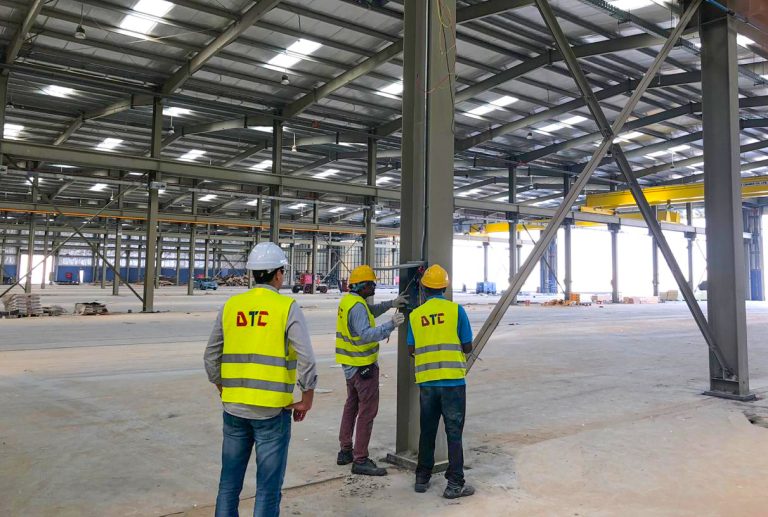
At DTC General Contracting, we follow a strict, professional process:
Step 1: Engineering Review
-
Analyze project drawings
-
Identify fire rating requirements
-
Select appropriate system
Step 2: Surface Preparation
-
Clean steel surface
-
Remove dust, oil, rust
-
Ensure primer compatibility
Step 3: Material Application
-
Spray application or brush/roller (depending on system)
-
Controlled thickness application
-
Environmental condition monitoring
Step 4: Quality Control
-
Wet and dry film thickness testing
-
Adhesion testing
-
Density checks
-
Inspection documentation
Step 5: Final Certification
-
Compliance documentation
-
Civil Defense submission support
7. Advantages of Professional Fireproofing
Properly applied fireproofing provides:
-
Enhanced life safety
-
Structural stability
-
Insurance compliance
-
Reduced liability
-
Property protection
-
Project approval by authorities
Improper application can lead to:
-
Delamination
-
Insufficient fire rating
-
Project rejection
-
Increased repair costs
This is why selecting an experienced contractor like DTC General Contracting is critical.
8. Industries Served by DTC General Contracting
We provide fireproofing services across:
-
Industrial & manufacturing plants
-
Oil & gas facilities
-
Warehouses & logistics centers
-
Commercial buildings
-
Residential towers
-
Infrastructure projects
-
Government facilities
Our team operates across Saudi Arabia including:
-
Dammam
-
Riyadh
-
Jeddah
-
Al Khobar
-
Jubail
-
Al Ahsa
9. Compliance & Standards
DTC General Contracting follows:
-
Saudi Building Code (SBC)
-
Civil Defense regulations
-
UL Listed systems
-
ASTM E84, E119 standards
-
NFPA guidelines
-
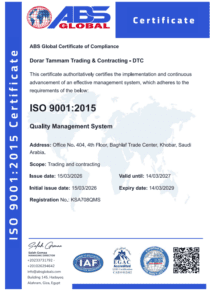
ISO quality management standards
We maintain full documentation, inspection records, and compliance reports for every project.
10. Why Choose DTC General Contracting?
Choosing the right fireproofing contractor ensures long-term safety and compliance.
Our Strengths:
✔ Experienced technical team
✔ Certified application specialists
✔ High-performance approved materials
✔ Industrial and commercial expertise
✔ Strict quality control
✔ On-time project execution
✔ Competitive pricing
✔ Full documentation & authority approval support
We do not compromise on safety or quality.
11. Fireproofing in Steel Buildings: Special Considerations
Steel buildings often include:
-
Steel columns
-
I-beams
-
Trusses
-
Bracing systems
-
Mezzanine floors
Each member has different section factors, affecting required thickness.
DTC calculates:
-
Section factor (Hp/A)
-
Required dry film thickness
-
Project-specific exposure conditions
This ensures accurate fire rating performance.
12. Maintenance & Inspection
Fireproofing systems require periodic inspection to ensure:
-
No mechanical damage
-
No moisture intrusion
-
No delamination
-
No coating degradation
DTC offers inspection and maintenance services to extend fireproofing lifespan.
13. Cost Factors of Fireproofing
Fireproofing cost depends on:
-
Fire rating required
-
Type of system (intumescent vs cementitious)
-
Steel surface area
-
Project location
-
Access requirements
-
Environmental exposure
While fireproofing adds cost to construction, it prevents catastrophic financial losses and ensures regulatory approval.
14. Sustainability & Modern Fireproofing
Modern fireproofing solutions offer:
-
Low VOC emissions
-
Lightweight systems
-
Long service life
-
Reduced environmental impact
DTC General Contracting prioritizes sustainable materials and efficient application methods.
15. Future of Fireproofing in Saudi Arabia
With Vision 2030 and mega-projects such as:
-
NEOM
-
The Red Sea Project
-
Qiddiya
-
Diriyah Gate
-
Industrial expansion in Eastern Province
Demand for advanced fire protection systems continues to grow.
DTC General Contracting is positioned to support these developments with world-class passive fire protection services.
Fireproofing for steel structures is not just a regulatory requirement — it is a life-saving investment. Steel may be strong, but without proper protection, it becomes vulnerable under extreme heat.
Through advanced materials, certified application methods, and strict compliance with Saudi and international standards, DTC General Contracting delivers reliable, durable, and high-performance fireproofing solutions across the Kingdom of Saudi Arabia.
We are committed to safety, quality, and excellence in every project we undertake.