Construction Industry Growth in Saudi Arabia: Opportunities in 2026
A Transformational Era for Infrastructure and Industrial Development
By DTC – Industrial & Infrastructure Construction Specialists
The construction industry in Saudi Arabia is experiencing unprecedented expansion. As the Kingdom accelerates its economic diversification strategy under Vision 2030, 2026 marks a pivotal year for infrastructure, industrial development, logistics growth, and urban transformation.
From mega-projects and smart cities to industrial zones and logistics hubs, construction remains one of the most dynamic and opportunity-rich sectors in the Saudi economy.
Across Riyadh, Jeddah, Khobar, Dammam, and the Eastern Province, the construction market continues to expand, driven by public and private investment.
Overview of Construction Industry Growth in 2026
Saudi Arabia’s construction industry growth in 2026 is fueled by:
-
Government-backed infrastructure programs
-
Private-sector industrial investment
-
Expansion of logistics and warehousing
-
Housing and urban development projects
-
Energy and industrial diversification
The sector remains a core driver of economic transformation.
Key Drivers of Construction Growth
1️⃣ Vision 2030 Infrastructure Expansion
Vision 2030 promotes:
-
Economic diversification
-
Industrial localization
-
Smart cities and mega-projects
-
Public-private partnerships
Construction companies play a central role in achieving these objectives.
2️⃣ Industrial & Manufacturing Expansion
The Kingdom is investing heavily in:
-
Manufacturing facilities
-
Industrial workshops
-
Logistics centers
-
Steel structure warehouses
Industrial construction continues to grow rapidly in 2026.
3️⃣ Logistics & Supply Chain Development
Saudi Arabia aims to become a global logistics hub, leading to growth in:
-
Warehouse construction
-
Cold storage facilities
-
Distribution centers
-
Port-connected infrastructure
4️⃣ Urban & Residential Development
Major cities are expanding through:
-
Residential communities
-
Mixed-use developments
-
Commercial towers
Urban construction demand remains strong.
Major Construction Sectors Showing Growth in 2026
Industrial Construction
Factories, workshops, and heavy industrial facilities are expanding nationwide.
Warehouse & Logistics Construction
E-commerce growth drives demand for high-capacity storage and fulfillment centers.
Infrastructure & Road Construction
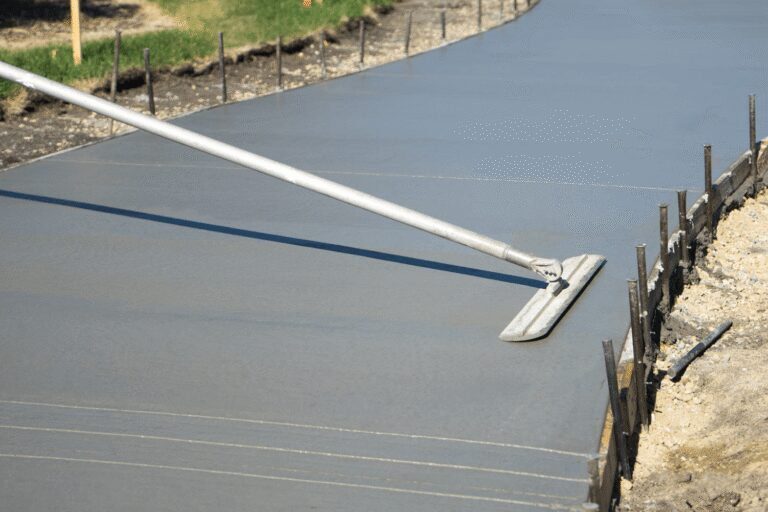
Roads, pavements, utilities, and transportation infrastructure are expanding rapidly.
Commercial & Mixed-Use Developments
Office buildings, retail spaces, and service facilities support urban growth.
Regional Construction Growth Analysis
Riyadh
Riyadh leads national construction growth with:
-
Government-backed mega projects
-
Industrial zones
-
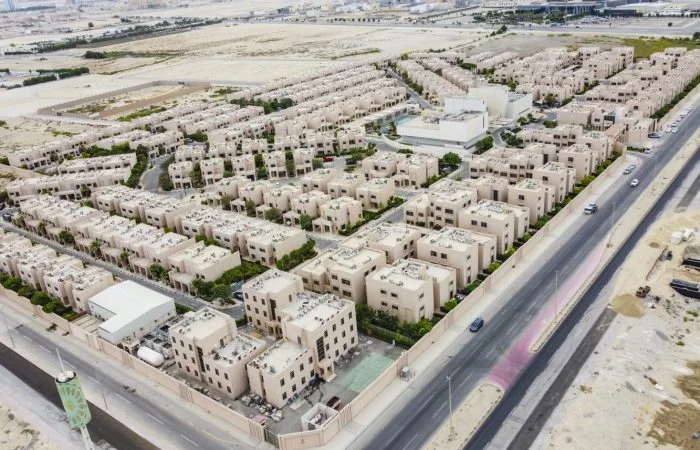
Large-scale residential communities
Jeddah
Jeddah benefits from:
-
Port-related infrastructure
-
Commercial expansion
-
Logistics development
Khobar & Dammam (Eastern Province)
The Eastern Province drives:
-
Industrial facility development
-
Oil & gas–related infrastructure
-
Heavy-duty logistics hubs
Opportunities in the Construction Industry in 2026
Investment Opportunities
Investors are targeting:
-
Industrial real estate
-
Logistics parks
-
Manufacturing facilities
-
Turnkey construction projects
Contracting & EPC Opportunities
Growing demand for:
-
Turnkey contractors
-
Industrial EPC companies
-
Steel structure specialists
-
Infrastructure contractors
Facility Management & Maintenance Services
As infrastructure grows, long-term maintenance opportunities expand as well.
Challenges Facing the Construction Industry
Despite growth, challenges include:
-
Skilled labor availability
-
Material cost fluctuations
-
Regulatory compliance complexity
-
Project scheduling pressures
Experienced contractors mitigate these risks through planning and expertise.
Role of Technology in Construction Growth
Modern construction integrates:
-
Digital project management tools
-
Building Information Modeling (BIM)
-
Smart construction techniques
-
Prefabrication and modular systems
Technology improves efficiency and reduces delays.
Sustainability & Green Construction Trends
Saudi Arabia emphasizes:
-
Energy-efficient buildings
-
Sustainable materials
-
Reduced carbon footprint
-
Environmental compliance
Sustainability is a growing market driver in 2026.
Turnkey Construction Opportunities
Turnkey contracting is increasingly preferred for:
-
Industrial projects
-
Warehouse developments
-
Infrastructure works
Clients seek single-point responsibility and integrated delivery.
Why Experienced Contractors Are Critical in 2026
With rapid growth, project complexity increases. Trusted contractors must offer:
-
Strong project management
-
Regulatory expertise
-
Integrated construction capabilities
-
Safety compliance
Companies like DTC support industrial and infrastructure development with structured delivery models.
Future Outlook Beyond 2026
Saudi Arabia’s construction industry is expected to continue expanding through:
-
Mega-project completion
-
Smart city development
-
Manufacturing localization
-
Logistics hub expansion
The sector will remain a cornerstone of national economic growth.
A Decade of Opportunity
The construction industry growth in Saudi Arabia in 2026 presents significant opportunities for investors, developers, and contractors. Industrial expansion, logistics development, and infrastructure modernization continue to drive demand across the Kingdom.
From Riyadh and Jeddah to Khobar and Dammam, construction remains a key pillar of economic transformation — creating long-term opportunities aligned with Vision 2030.