EPC Contractors for Construction Camps in Saudi Arabia
The rapid expansion of infrastructure, energy, industrial, and giga-projects across Saudi Arabia has created a strong demand for temporary and permanent workforce accommodation. Construction camps—often called Temporary Construction Facilities (TCF) or construction villages—are critical components of large projects in sectors such as oil and gas, mining, infrastructure, and mega developments like NEOM and Qiddiya.
To deliver these camps efficiently and at scale, project owners rely on Engineering, Procurement, and Construction (EPC) contractors. EPC contractors manage the entire lifecycle of a project—from design and engineering to procurement of materials and final construction—providing a turnkey solution that ensures cost control, schedule reliability, and quality assurance.
Among the companies operating in this sector, DTC General Contracting stands out as a reliable contractor delivering construction facilities and infrastructure across the Kingdom. This article explores the role of EPC contractors in developing construction camps in Saudi Arabia, the design and engineering considerations involved, and how companies like DTC General Contracting deliver integrated solutions for workforce accommodation.
Understanding EPC Contracting in Construction Camps
What Is an EPC Contractor?
EPC stands for Engineering, Procurement, and Construction, a project delivery model widely used in large industrial and infrastructure developments. In an EPC contract, a single contractor assumes responsibility for designing the project, sourcing all materials and equipment, and executing the construction until completion and commissioning.
This approach offers several advantages:
-
Single point of responsibility
-
Reduced risk for project owners
-
Faster project delivery
-
Integrated project management
-
Optimized procurement and construction planning
EPC contractors coordinate engineering teams, suppliers, subcontractors, and construction crews to deliver a fully operational facility within the agreed budget and timeline.
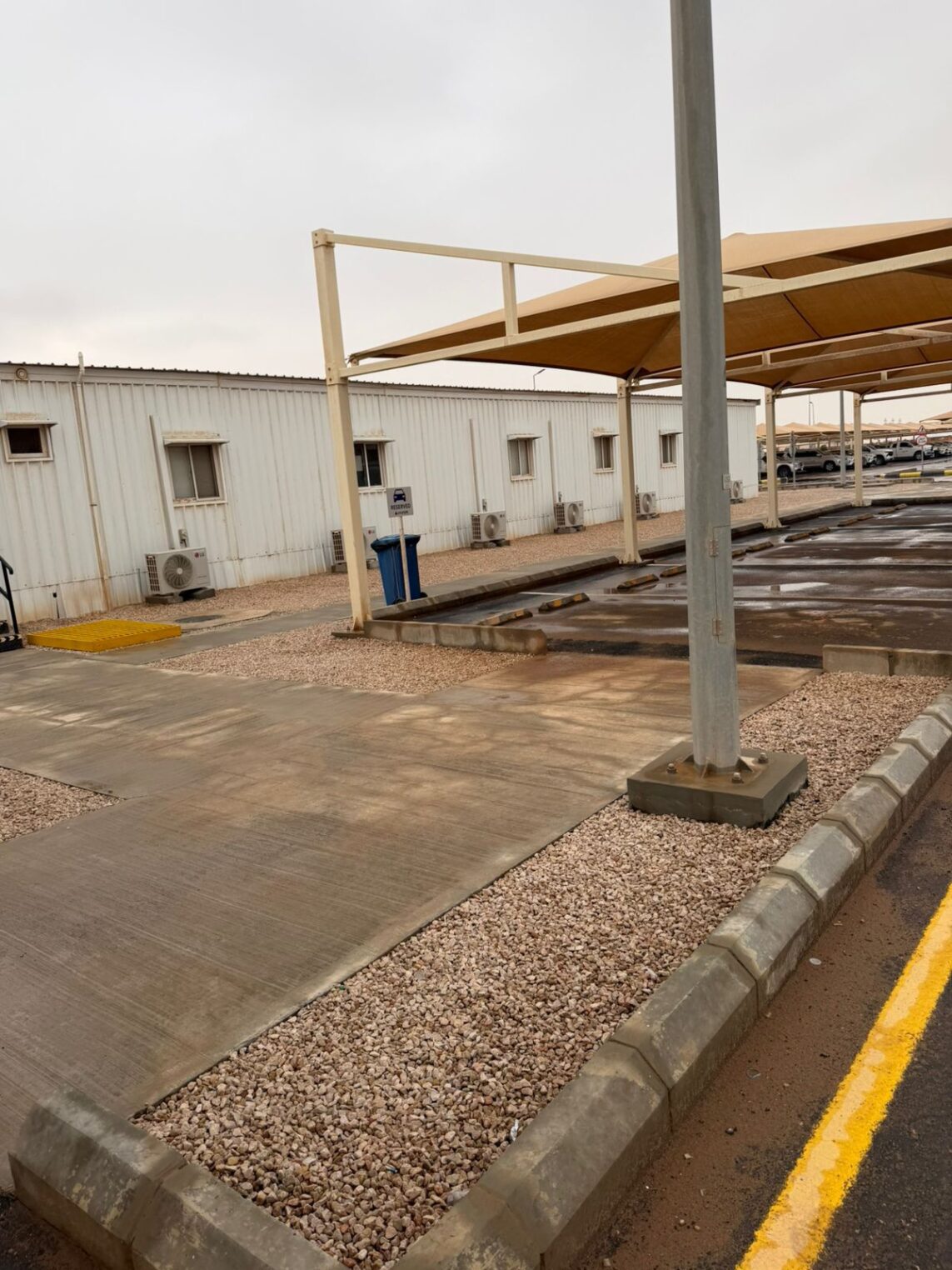
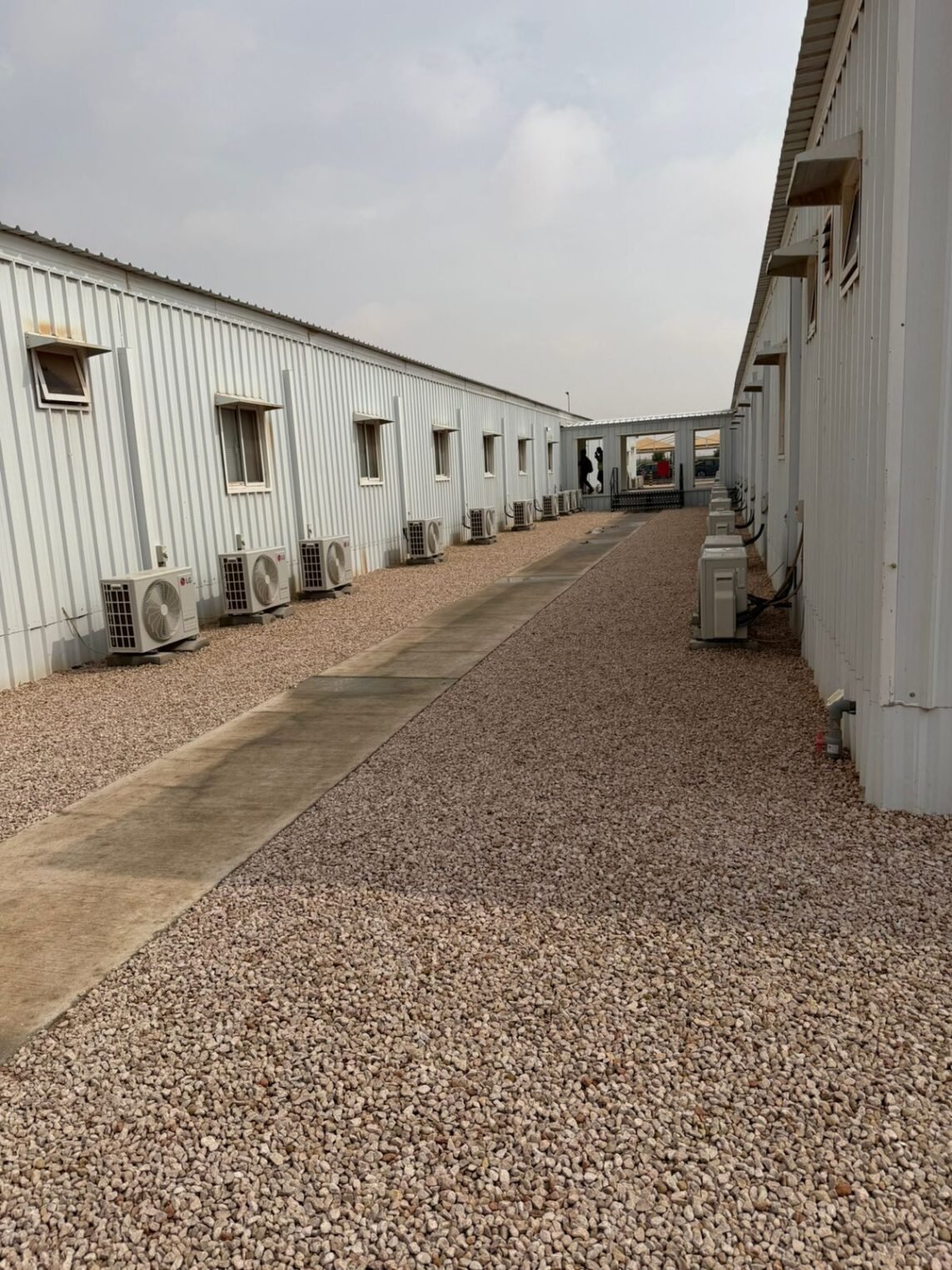
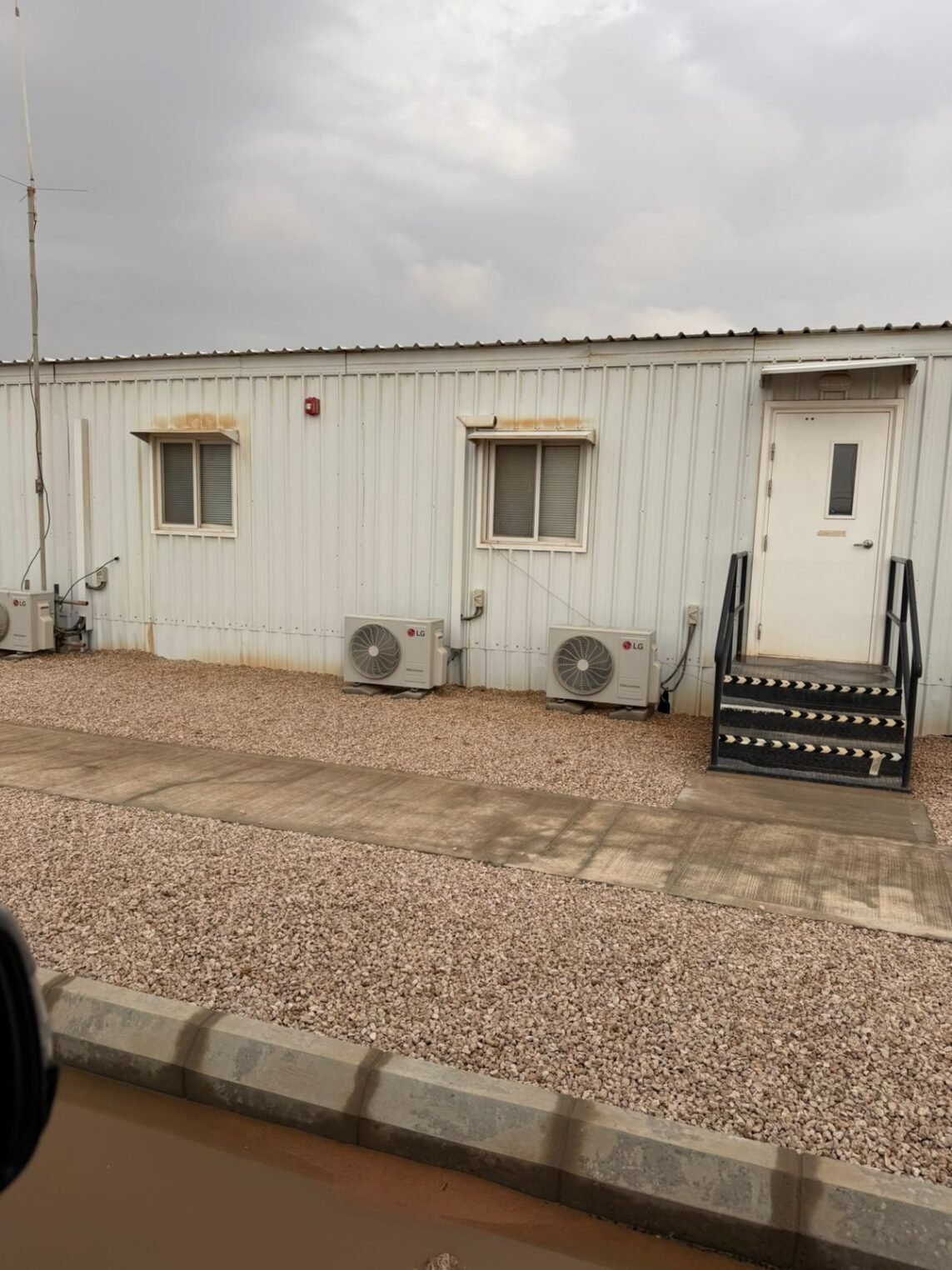
For construction camps in Saudi Arabia, EPC contractors are responsible for delivering entire accommodation facilities that may include:
-
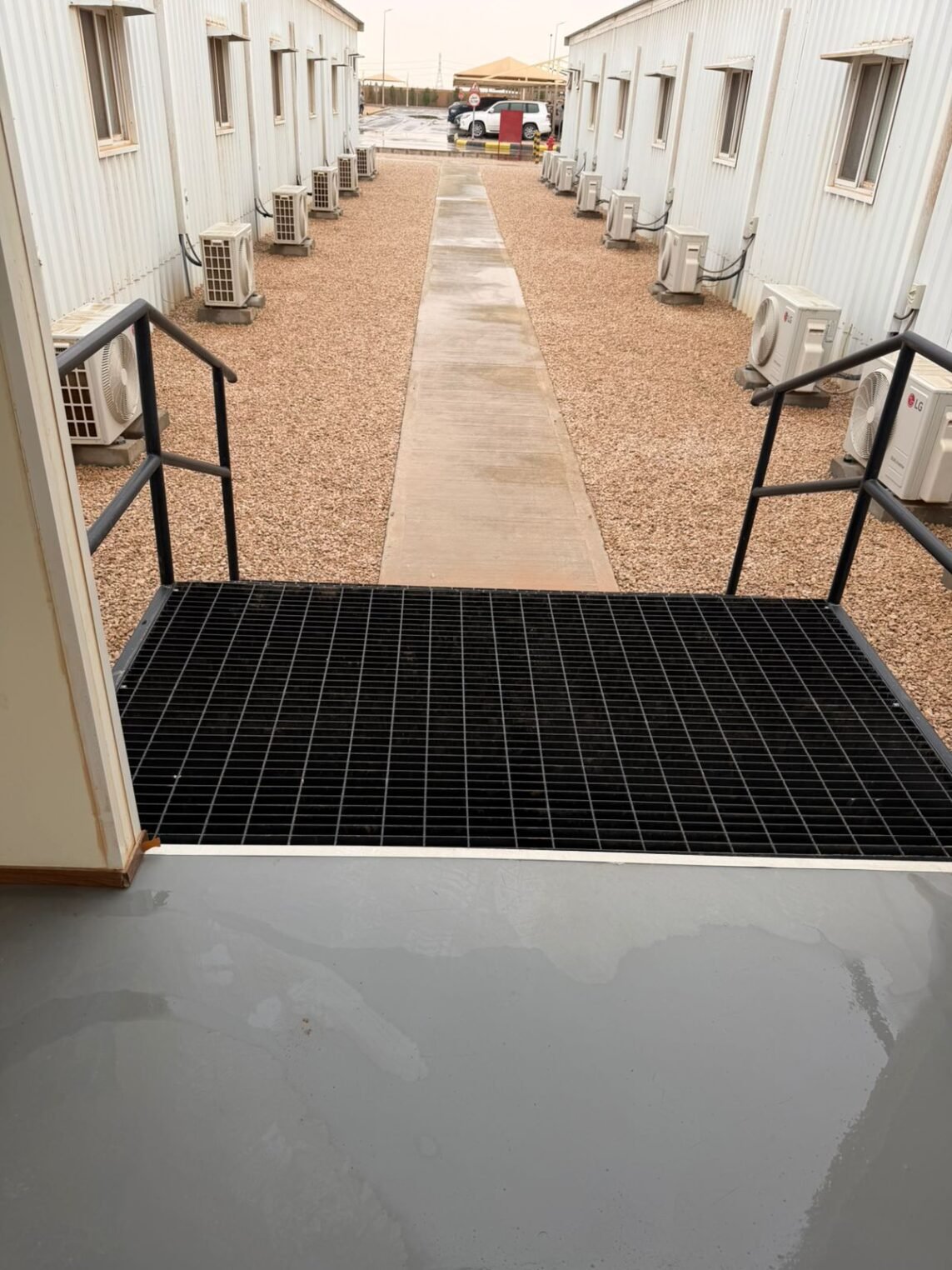
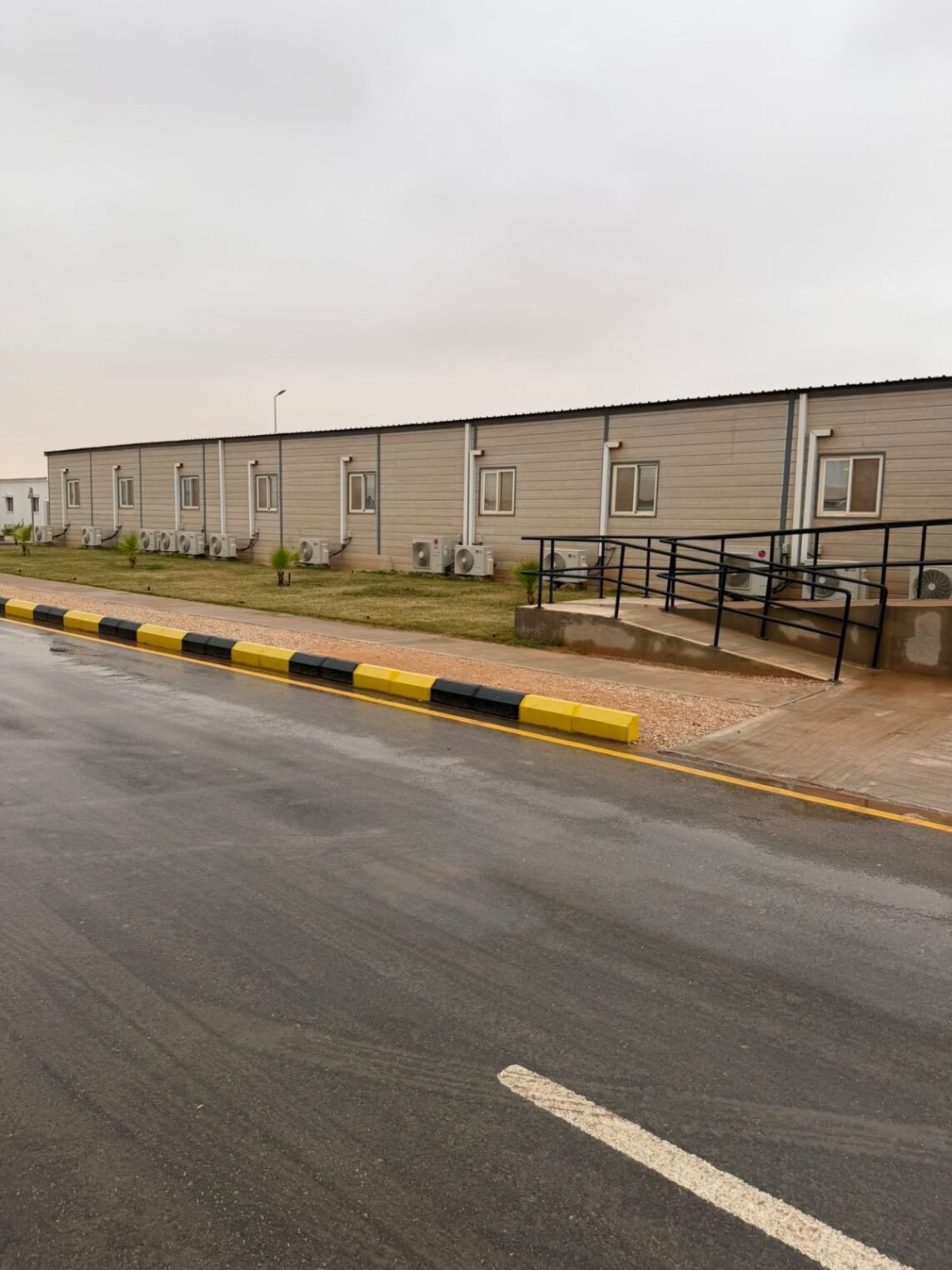
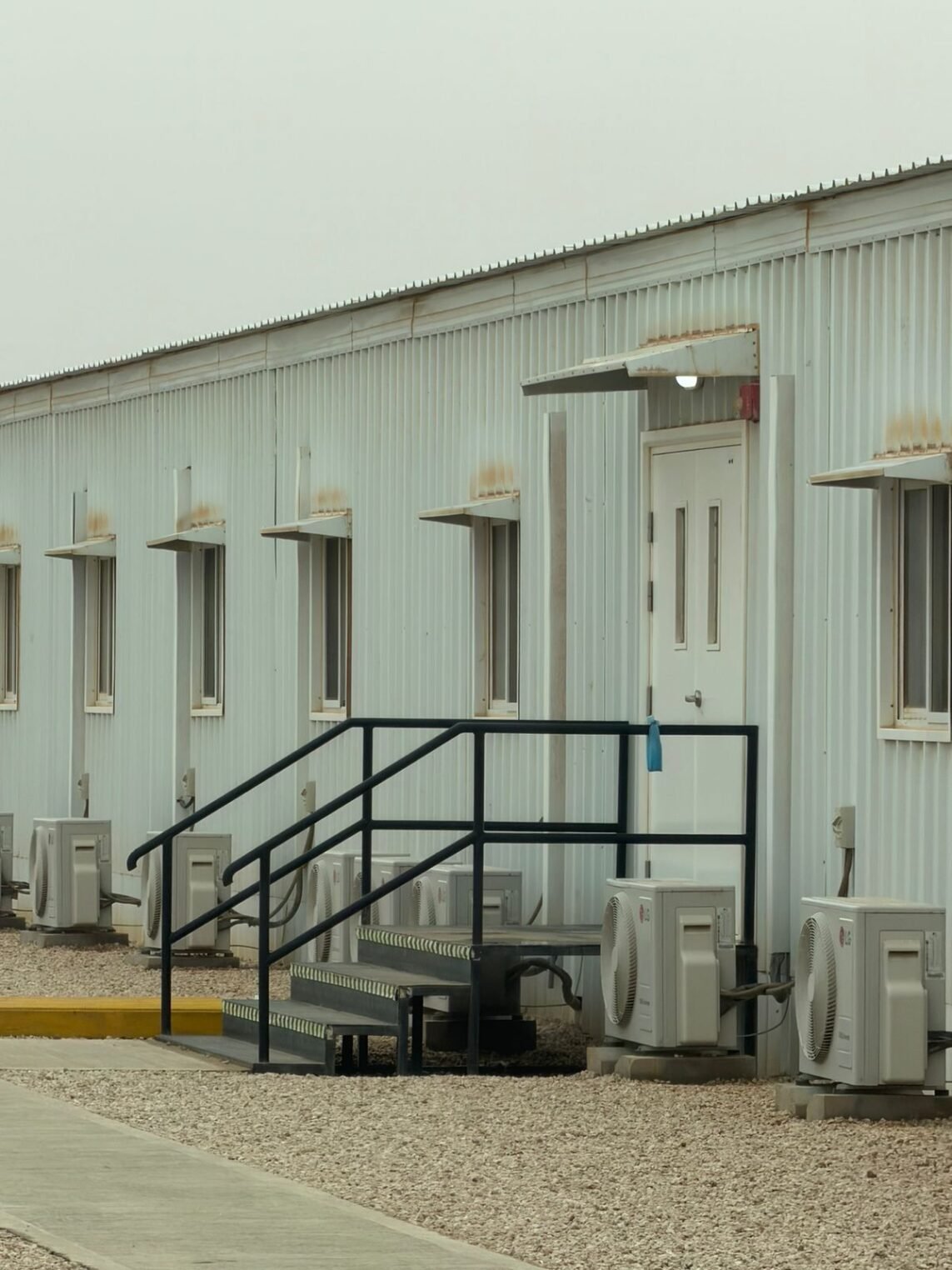
Housing units
-
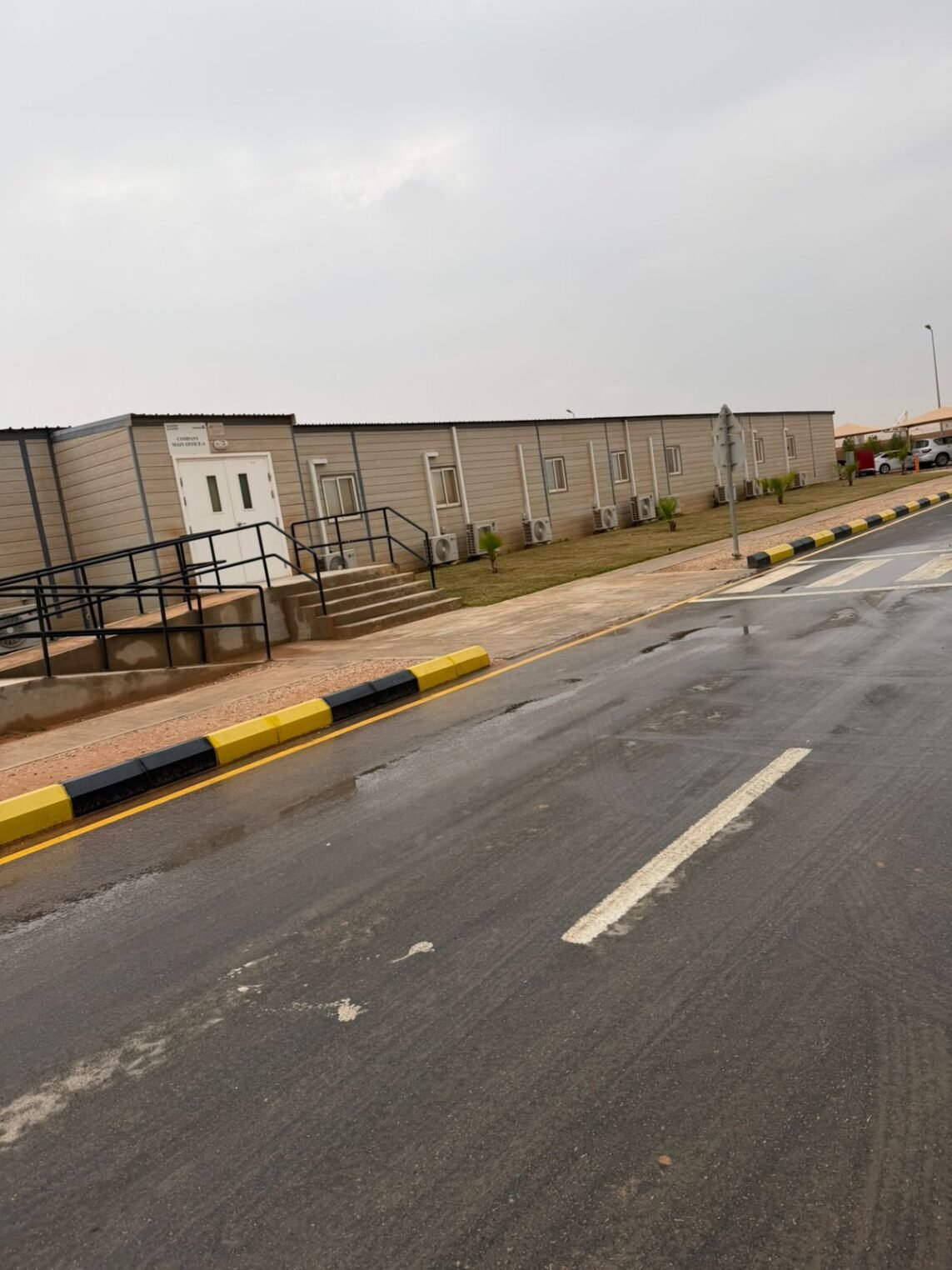
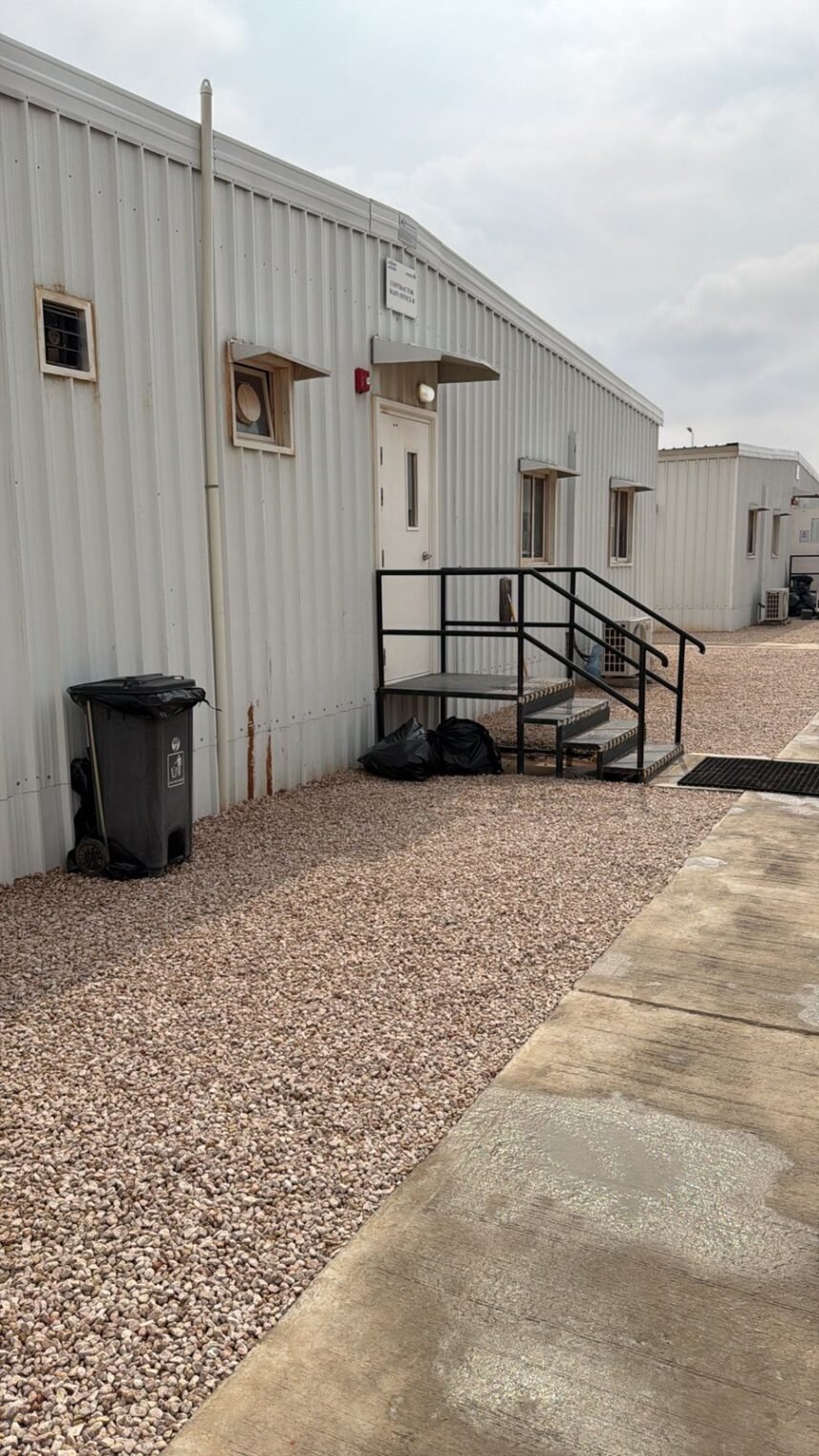
Administration offices
-
dining halls and kitchens
-
medical clinics
-
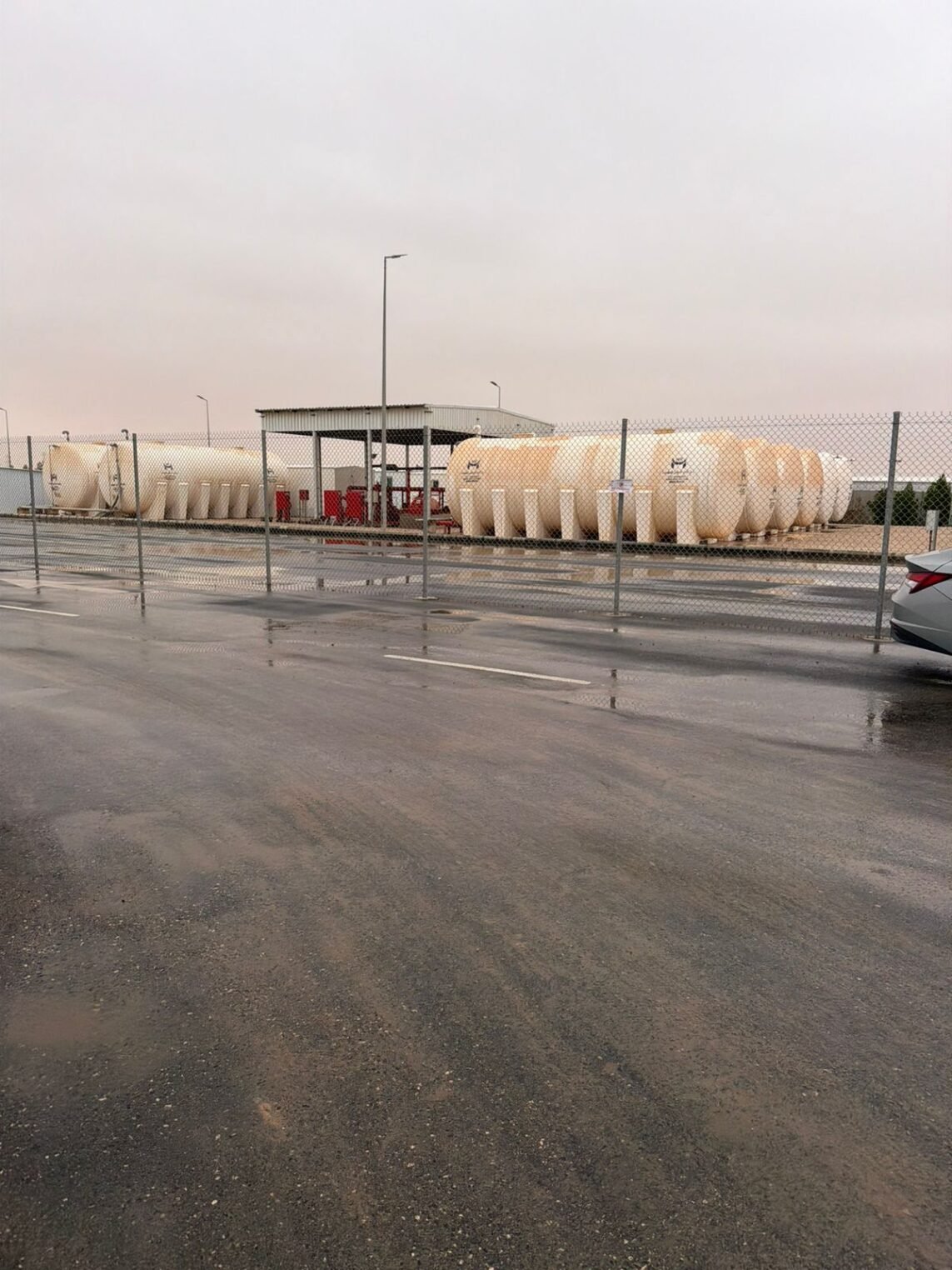
power generation systems
-
water and wastewater treatment
-
recreational facilities
Importance of Construction Camps in Saudi Arabia
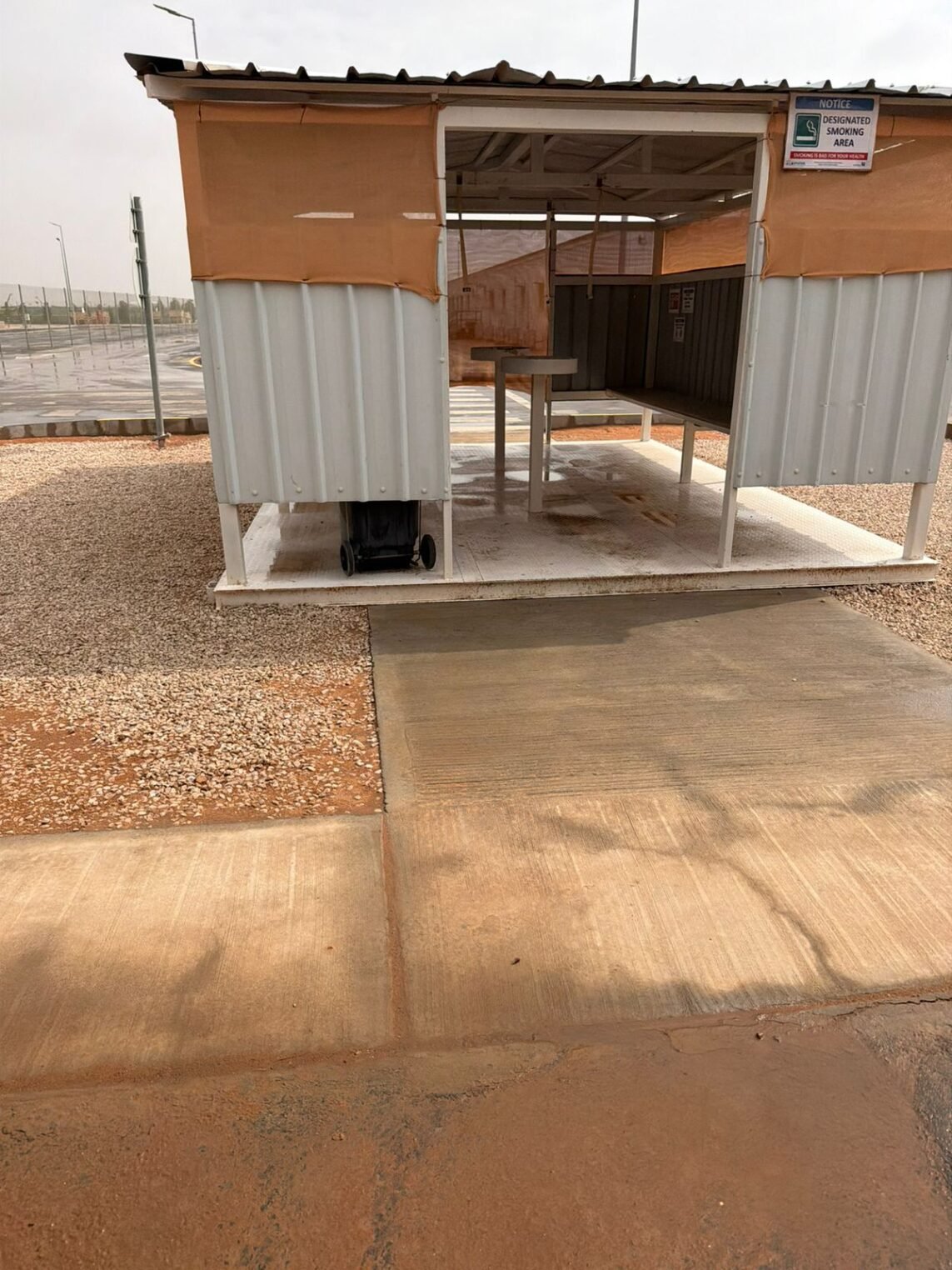
Saudi Arabia hosts thousands of large construction projects requiring a temporary workforce. These projects are often located in remote areas such as desert sites, industrial zones, and mining regions. Because workers cannot commute daily, contractors must provide accommodation facilities near the project site.
Construction camps serve several essential functions:
1. Workforce Accommodation
Construction camps house engineers, technicians, and laborers during project execution. Camps may range from small 200-person facilities to large construction villages accommodating more than 10,000 workers.
For example, a major workforce accommodation project in Saudi Arabia housed 8,500 workers at the Jazan Refinery project, built using prefabricated modular systems under an EPC contract model.
2. Operational Efficiency
By locating workers near the project site, construction camps reduce transportation time and increase productivity. Workers can access job sites quickly, allowing for longer effective working hours.
3. Safety and Welfare
Saudi regulations require proper accommodation standards that ensure worker safety, hygiene, and comfort. Camps must meet strict guidelines related to fire protection, sanitation, and living conditions.
4. Project Support Infrastructure
Construction camps also include operational facilities such as:
-
offices
-
workshops
-
warehouses
-
vehicle yards
-
communication centers
These facilities help project teams manage logistics and operations efficiently.
Role of EPC Contractors in Construction Camp Development
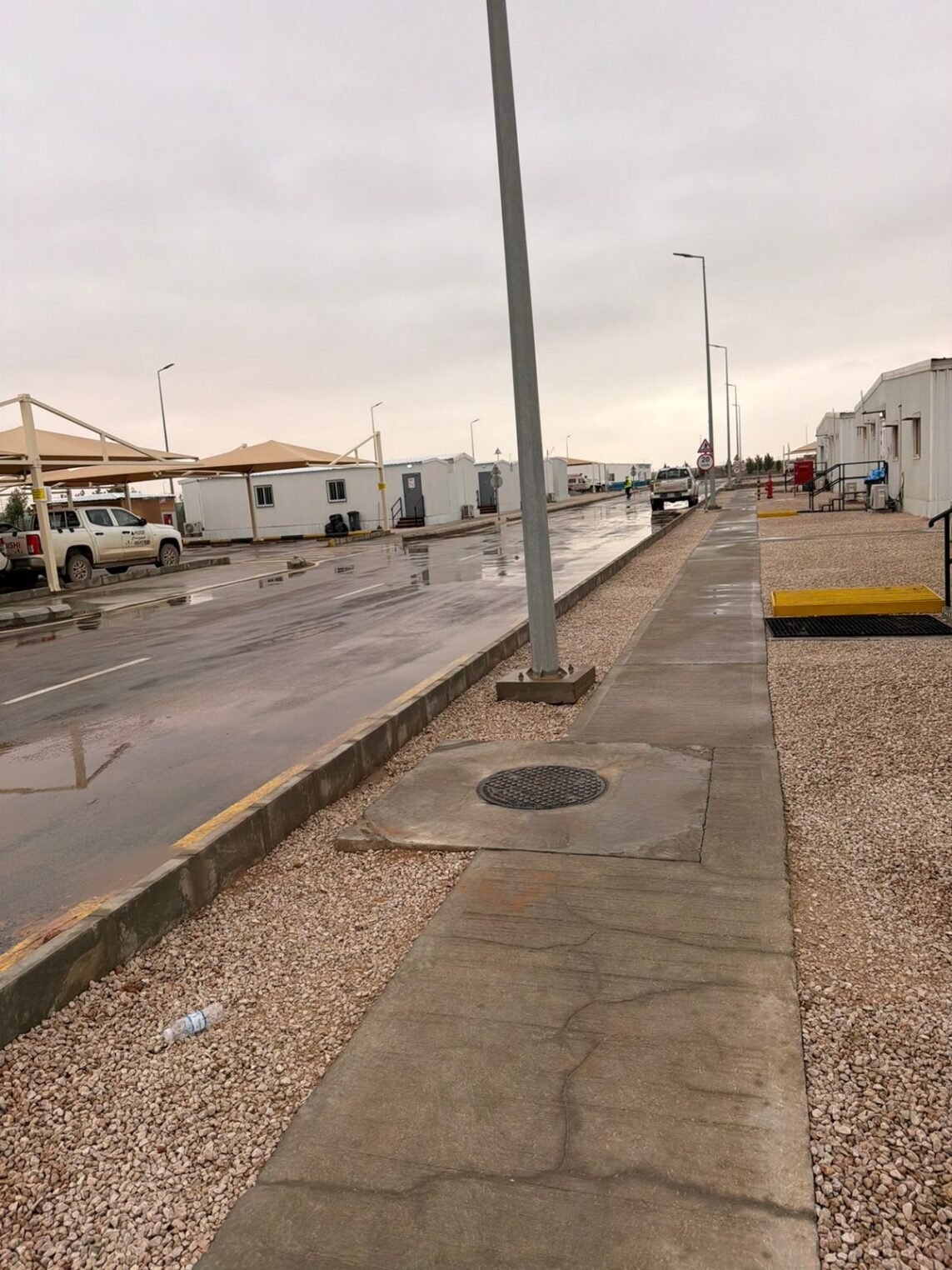
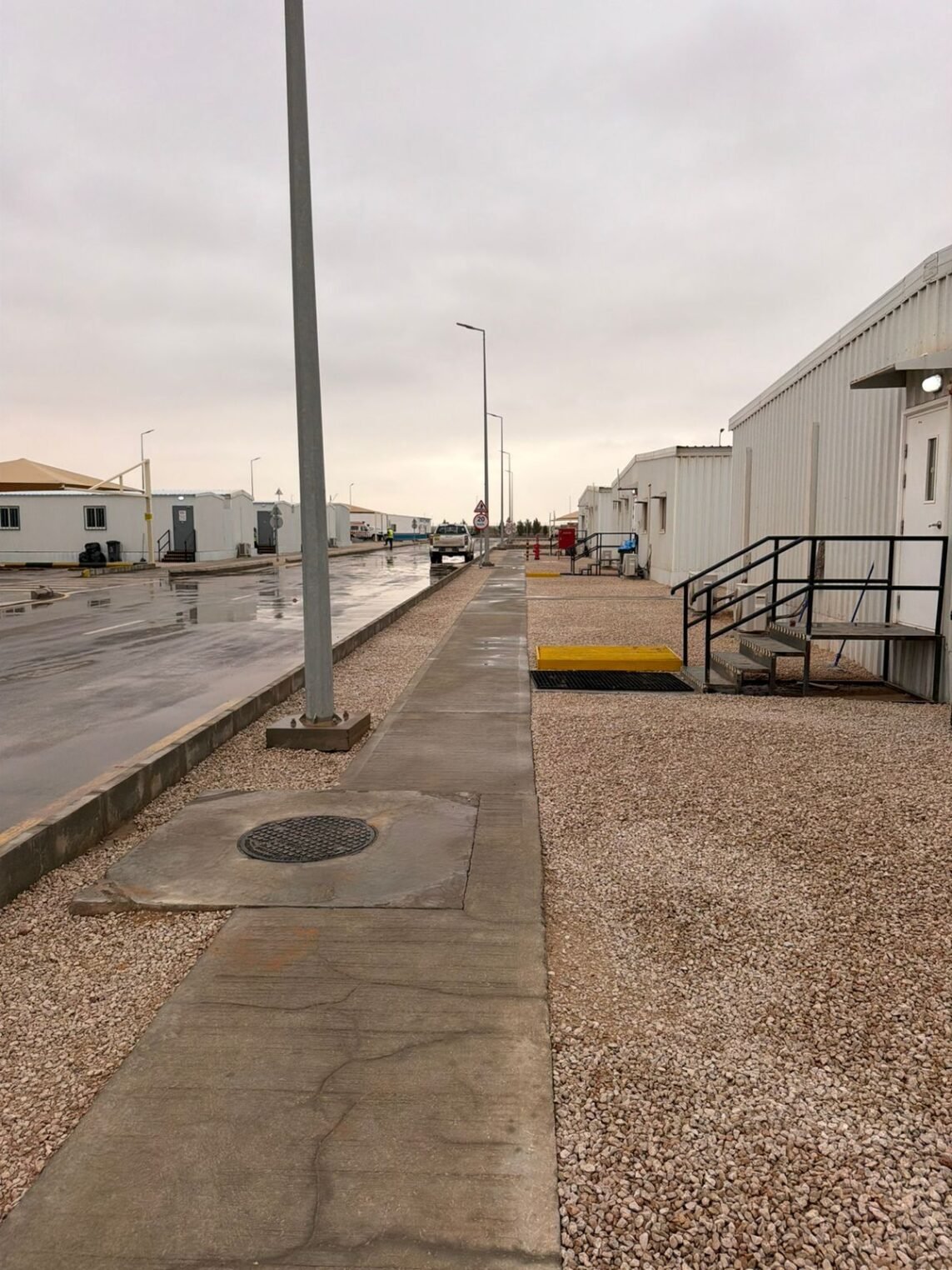
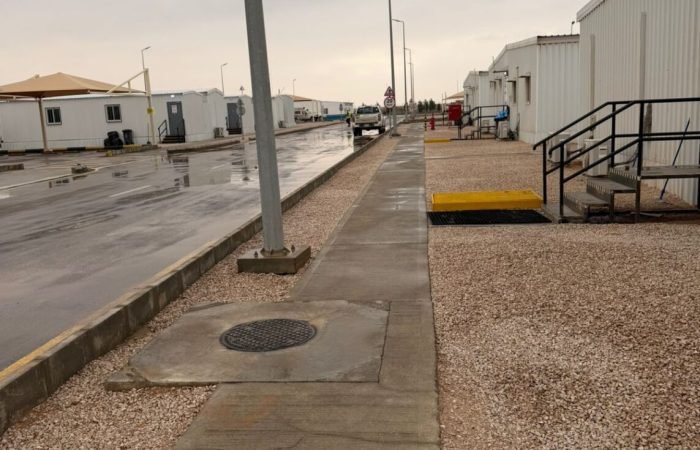
Developing a construction camp involves more than installing portable cabins. It requires detailed engineering, utility planning, infrastructure development, and facility management.
EPC contractors like DTC General Contracting typically handle the following stages:
1. Engineering and Design
The engineering phase determines how the camp will be planned and constructed. This includes:
Site planning
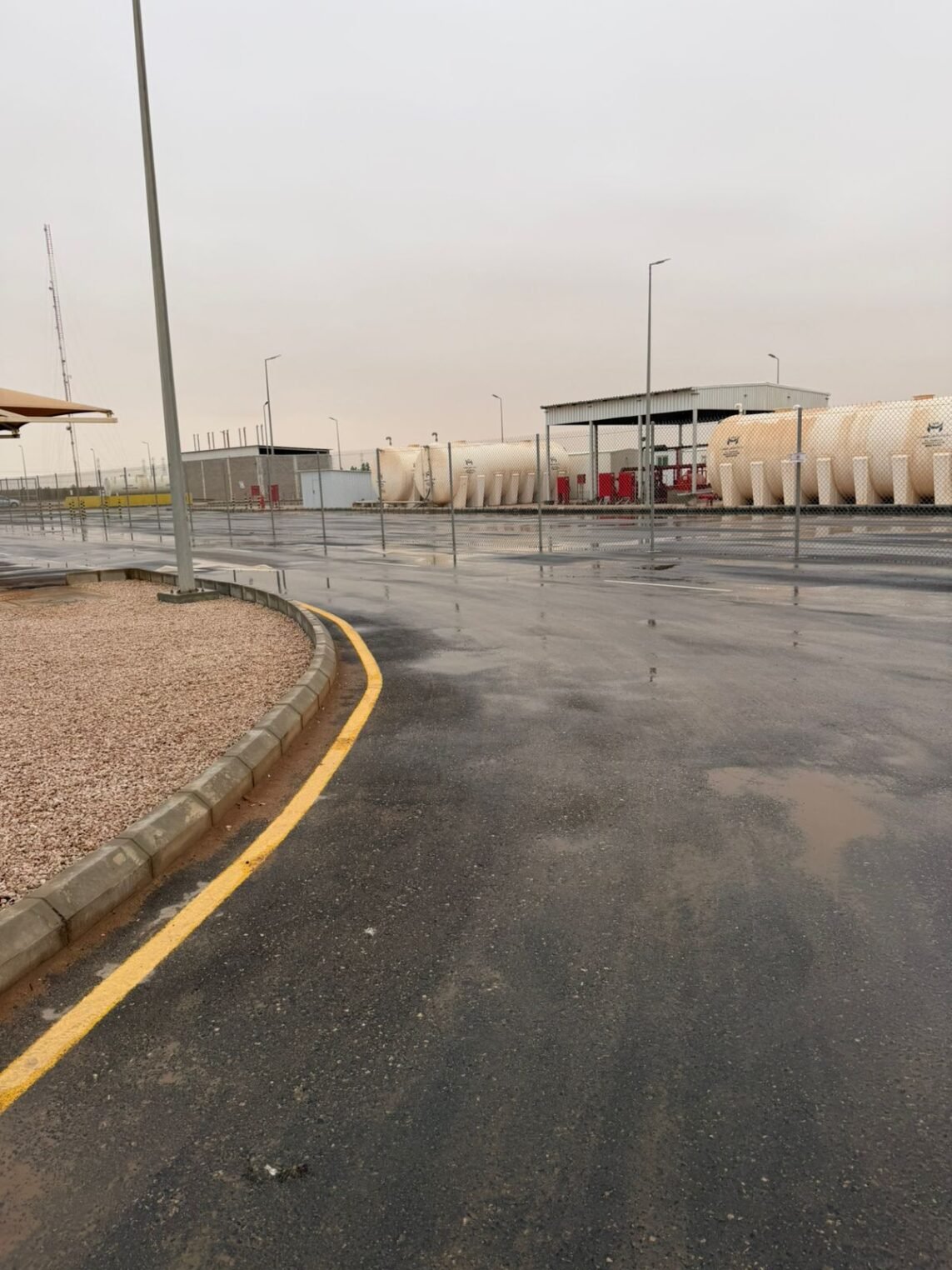
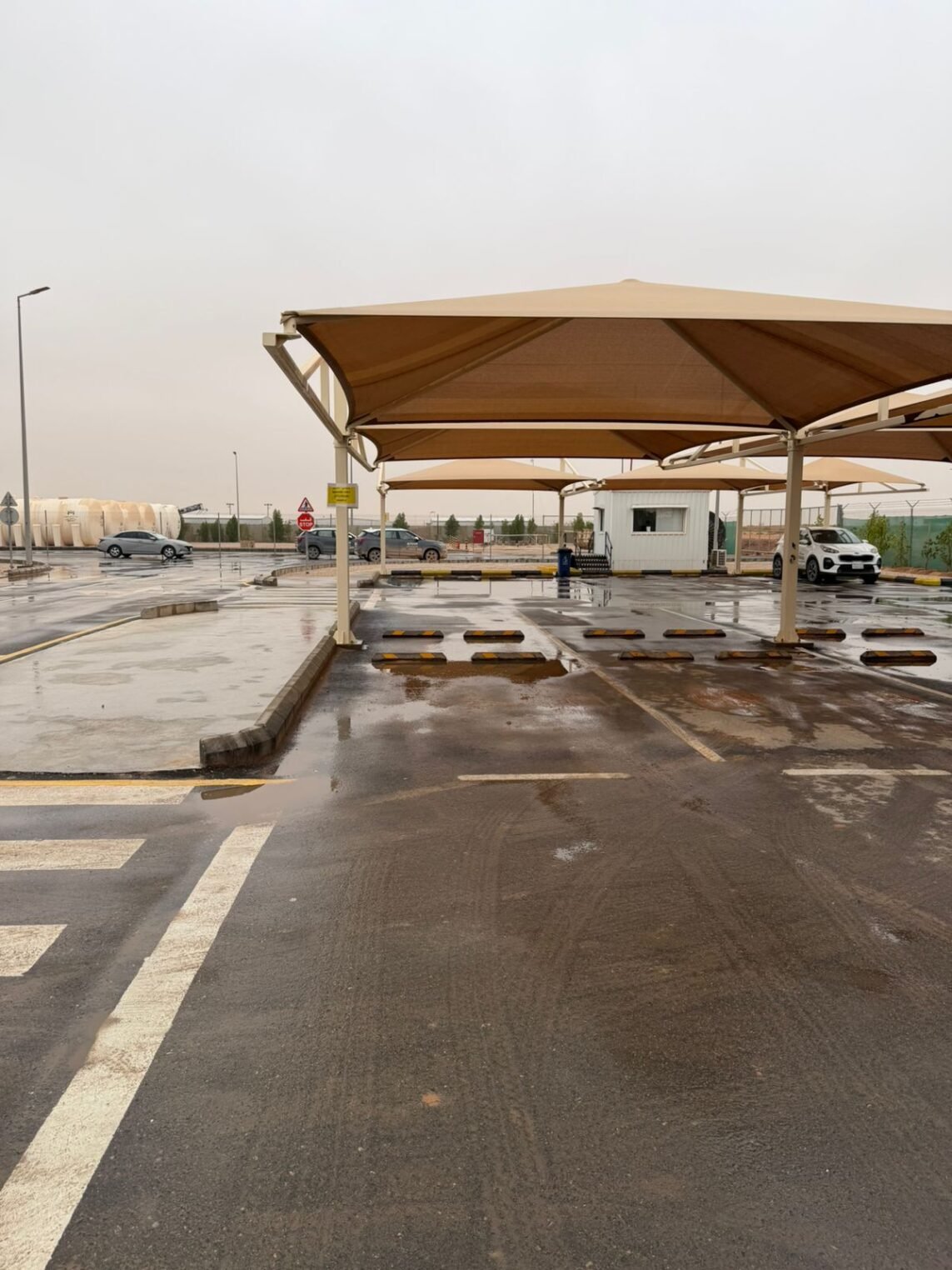
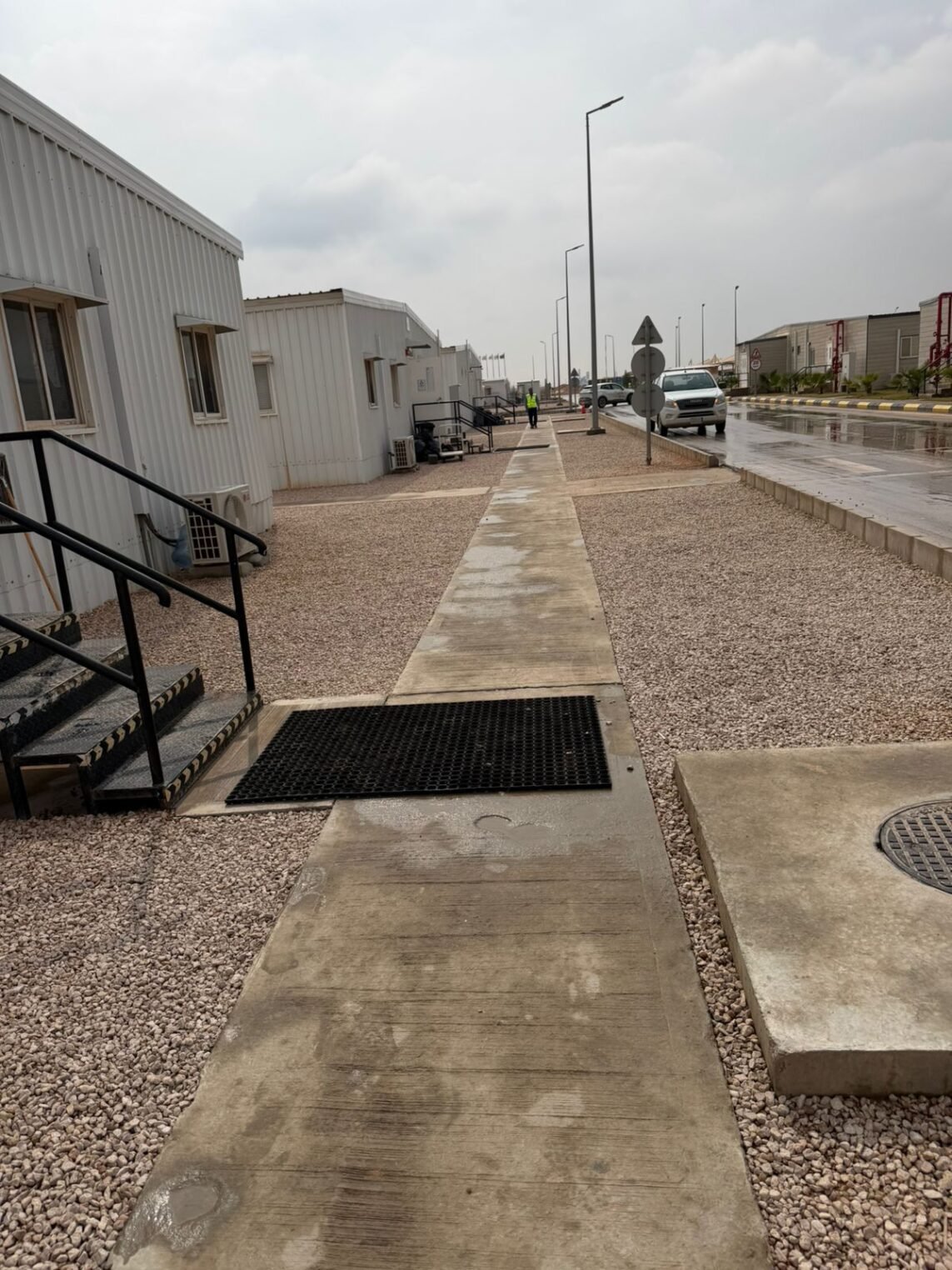
Engineers analyze the project location and develop a layout plan for:
-
accommodation buildings
-
utilities
-
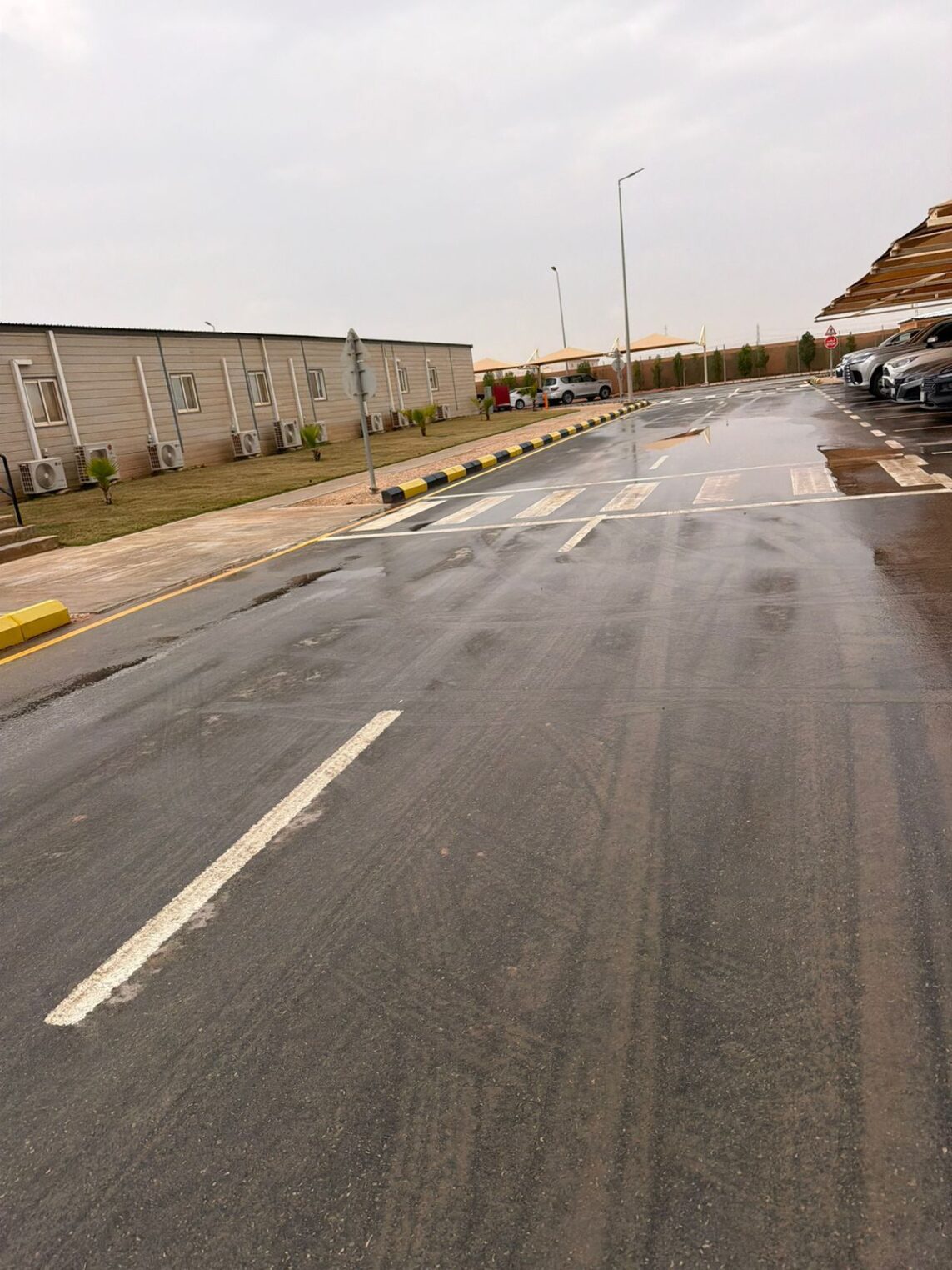
roads and parking
-
emergency access
-
drainage systems
Structural design
Construction camps may use various structural systems, including:
-
prefabricated modular units
-
light steel structures
-
containerized buildings
-
precast concrete modules
Prefabricated systems are commonly used because they allow rapid installation and relocation.
Utility engineering
Construction camps require reliable infrastructure such as:
-
electrical power
-
water supply
-
sewage systems
-
storm drainage
-
fire protection
Engineering teams design these systems according to project requirements and Saudi regulatory standards.
2. Procurement of Materials and Equipment
Procurement is a critical stage in EPC projects because it ensures that all materials and equipment are delivered on time and meet quality standards.
Key procurement items for construction camps include:
-
modular housing units
-
furniture and fixtures
-
electrical equipment
-
HVAC systems
-
generators and transformers
-
water treatment systems
-
firefighting equipment
Effective procurement management reduces project delays and ensures cost efficiency.
3. Construction and Installation
Once engineering and procurement are completed, EPC contractors begin construction.
Major construction activities include:
-
site preparation and earthworks
-
foundations and concrete works
-
installation of prefabricated buildings
-
electrical distribution systems
-
plumbing and sanitation networks
-
road and pavement construction
-
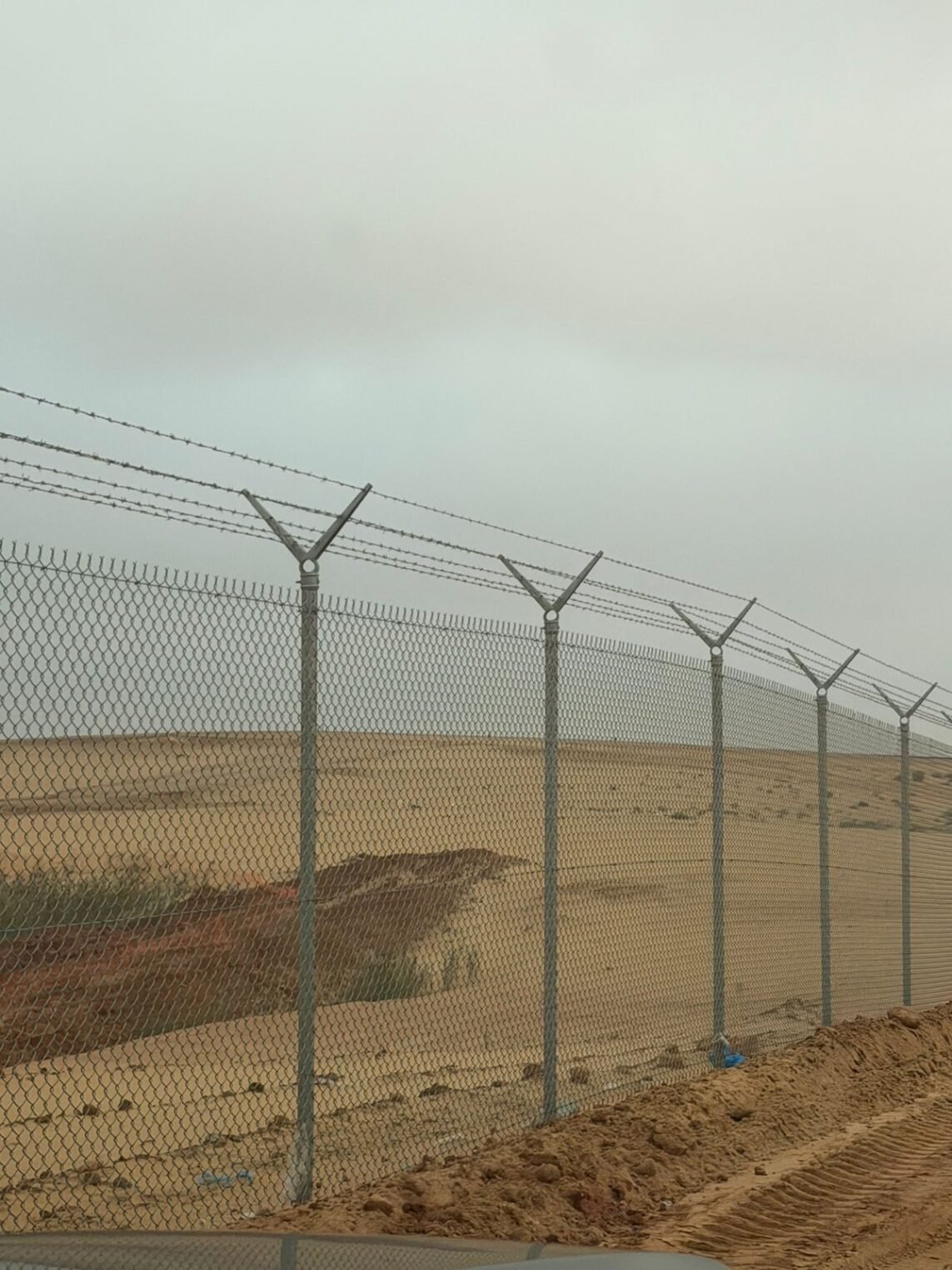
perimeter fencing and security systems
EPC contractors coordinate multiple subcontractors and specialists to ensure smooth construction progress.
4. Testing and Commissioning
Before the construction camp becomes operational, EPC contractors conduct comprehensive testing.
This stage includes:
-
electrical system testing
-
water supply testing
-
sewage system inspection
-
fire safety system verification
-
HVAC performance testing
Once all systems meet the required standards, the camp is handed over to the project owner.
Construction Camp Facilities and Infrastructure
A well-designed construction camp must provide a complete living and working environment.
Typical facilities include:
Accommodation Buildings
Accommodation units are designed based on worker categories:
-
labor accommodation
-
technician housing
-
engineer accommodation
-
management housing
Rooms may include:
-
shared dormitories
-
double occupancy rooms
-
private rooms for senior staff
Dining Facilities
Large camps require industrial kitchens capable of preparing thousands of meals daily.
Dining facilities typically include:
-
kitchens and food storage areas
-
dining halls
-
food safety systems
-
cold storage rooms
Medical Facilities
Saudi regulations require camps to provide medical services for workers.
Medical facilities may include:
-
clinics
-
isolation rooms
-
emergency treatment units
-
ambulance access
Recreational Facilities
To support worker well-being, construction camps often include recreational areas such as:
-
gyms
-
football fields
-
prayer rooms
-
internet centers
-
TV lounges
These facilities help reduce stress and improve worker morale.
Utility Infrastructure
Construction camps must operate as self-contained communities.
Key utilities include:
Power generation
Remote camps often use diesel generators or hybrid power systems combining solar energy and diesel backup.
Water supply
Water may be delivered by tanker trucks or produced through desalination or groundwater wells.
Wastewater treatment
Camps require sewage treatment plants to process wastewater safely before disposal or reuse.
Safety Standards in Construction Camps
Safety is a critical factor in construction camp development.
Saudi Arabia enforces strict safety regulations, particularly for large workforce accommodations.
Important safety features include:
-
fire alarm systems
-
sprinkler systems
-
emergency evacuation routes
-
firefighting equipment
-
emergency lighting
Fire protection systems are particularly important in camps housing thousands of workers. Some large residential camps in Saudi projects have installed tens of thousands of sprinklers and advanced fire detection systems to ensure safety.
DTC General Contracting: EPC Expertise in Saudi Arabia
DTC General Contracting is one of the contracting firms contributing to the Kingdom’s infrastructure and construction sector.
The company provides EPC services for various projects, including:
-
commercial developments
-
mixed-use facilities
-
hospitality projects
-
industrial infrastructure
DTC has established a presence in major Saudi cities including Riyadh, Jeddah, Khobar, and Dammam, delivering turnkey construction solutions for a wide range of clients.
Through its EPC capabilities, DTC manages the entire project lifecycle—from engineering and procurement to construction and commissioning—ensuring projects meet quality, safety, and schedule requirements.
Advantages of Hiring EPC Contractors for Construction Camps
Choosing an EPC contractor for construction camps offers several benefits:
1. Single Point of Responsibility
Clients deal with one contractor responsible for all aspects of the project.
2. Faster Project Delivery
Integrated engineering and procurement accelerate construction timelines.
3. Cost Control
EPC contractors optimize design and procurement to reduce overall costs.
4. Quality Assurance
Experienced EPC contractors ensure that all systems meet industry standards.
5. Risk Reduction
By managing all project stages, EPC contractors minimize risks related to delays and coordination issues.
Future of Construction Camps in Saudi Arabia
Saudi Arabia’s construction industry continues to expand under the Vision 2030 program.
Mega-projects such as:
-
NEOM
-
The Red Sea Project
-
Qiddiya
-
mining developments
will require thousands of workers and large-scale workforce accommodation.
As these projects progress, demand for EPC contractors capable of delivering high-quality construction camps will continue to grow.
Future construction camps are expected to incorporate:
-
modular building systems
-
renewable energy integration
-
smart facility management systems
-
sustainable water treatment technologies
These innovations will improve efficiency and reduce environmental impact.
Conclusion
Construction camps are essential components of large-scale development projects in Saudi Arabia. They provide accommodation, infrastructure, and operational support for thousands of workers involved in construction activities.
EPC contractors play a vital role in delivering these facilities by managing engineering, procurement, and construction processes under a single contract. This integrated approach ensures efficient project delivery, cost control, and compliance with safety standards.
Companies like DTC General Contracting contribute to the Kingdom’s construction sector by providing turnkey EPC solutions for infrastructure and facility development. With the ongoing expansion of mega-projects across Saudi Arabia, EPC contractors will continue to be key partners in building the workforce accommodations that support the nation’s ambitious development goals.