Emerging Technologies in Saudi Construction: AI, Robotics, and BIM
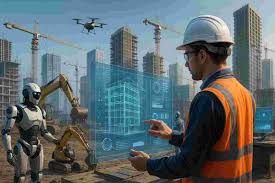
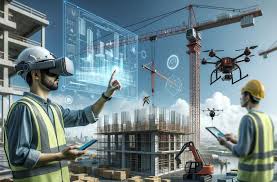
The construction industry in Saudi Arabia is undergoing a remarkable transformation, driven by rapid technological advancements and the Kingdom’s ambitious Vision 2030 initiatives. Traditional construction methodologies, long reliant on manual processes and human-centric management, are now being complemented—and in some cases replaced—by cutting-edge technologies that promise enhanced efficiency, safety, and sustainability. Among these innovations, Artificial Intelligence (AI), Robotics, and Building Information Modeling (BIM) are at the forefront, reshaping how projects are planned, executed, and maintained.
This article delves into the impact of these emerging technologies on the Saudi construction landscape, highlighting their benefits, challenges, and long-term implications for the industry.
Artificial Intelligence (AI) in Construction
Artificial Intelligence, once a futuristic concept, is now a practical tool in construction project management, design, and operations. AI leverages algorithms, machine learning, and big data analytics to optimize decision-making and reduce human error in complex construction tasks.
AI-Driven Project Management
Project management in construction involves scheduling, resource allocation, risk assessment, and progress monitoring. AI-powered platforms can analyze historical project data, predict potential delays, and suggest corrective actions. In Saudi Arabia, where mega projects such as NEOM, the Red Sea Project, and Riyadh Metro demand precision and scale, AI helps stakeholders anticipate bottlenecks and maintain timelines effectively.
For instance, AI can simulate project workflows, identifying potential clashes in scheduling and resource allocation. This predictive capability minimizes cost overruns and ensures adherence to deadlines, which is critical in high-profile projects driven by Vision 2030.
AI in Safety and Risk Management
Construction remains one of the most hazardous industries globally. AI enhances safety by analyzing real-time data from sensors, wearables, and drones to identify risks before accidents occur. AI systems can alert site managers to unsafe practices, detect structural weaknesses, and predict equipment failures. In Saudi Arabia, where labor-intensive projects are common, AI-driven safety protocols can significantly reduce incidents and improve compliance with occupational safety standards.
AI in Design and Planning
AI is increasingly integrated into the design phase through generative design tools. These platforms use algorithms to create multiple design alternatives that meet specified criteria such as cost, structural integrity, and energy efficiency. Architects and engineers can then select optimal solutions, reducing time and improving overall project quality.
Robotics in Construction
Robotics has emerged as a transformative force in construction, automating repetitive, dangerous, or precision-dependent tasks. The adoption of robotics in Saudi construction projects is gaining momentum, particularly for large-scale urban developments.
Robotic Construction Techniques
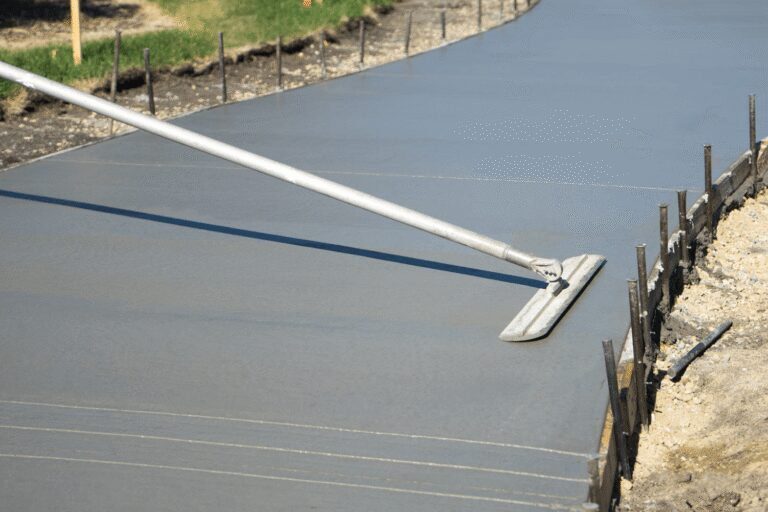
Robotic construction includes technologies such as 3D printing of building components, bricklaying robots, and automated concrete pouring systems. For example, 3D printing enables rapid construction of complex structures with minimal human intervention, reducing material waste and labor costs. In Saudi Arabia, these robotic techniques are particularly advantageous for creating sustainable housing solutions and infrastructure projects at an accelerated pace.
Drones for Site Monitoring
Drones, a form of aerial robotics, have become essential tools in surveying, monitoring, and inspecting construction sites. Drones can capture high-resolution images, create 3D site maps, and monitor progress in real time. This is especially valuable for expansive projects such as industrial zones or city-scale developments in Saudi Arabia, allowing project managers to track timelines, identify deviations, and improve decision-making without relying solely on on-ground inspections.
Robotic Safety Enhancements
Beyond automation, robotics also improves safety by performing hazardous tasks. Robots can handle tasks like heavy lifting, demolition, and working in high-temperature environments, protecting human workers from injury. The integration of robotics with AI further enhances operational efficiency, as robots can adapt to changing site conditions using intelligent decision-making algorithms.
Building Information Modeling (BIM)
Building Information Modeling (BIM) is a digital representation of a building’s physical and functional characteristics. BIM serves as a collaborative platform where architects, engineers, contractors, and owners can share information, coordinate workflows, and optimize project outcomes.
BIM for Collaborative Planning
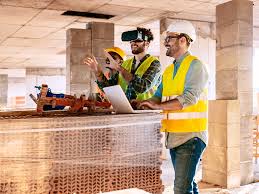
BIM allows all stakeholders to visualize a project in a virtual environment before construction begins. This capability enables early detection of design conflicts, reducing costly rework. In Saudi Arabia, where complex mega projects are common, BIM facilitates coordination among multinational teams and subcontractors, ensuring efficient resource utilization and project alignment.
BIM for Cost and Resource Management
BIM provides a comprehensive database of project materials, schedules, and costs, allowing for accurate budgeting and resource management. Contractors can forecast material requirements, minimize waste, and optimize procurement schedules. In large-scale Saudi projects, such as commercial complexes and industrial facilities, BIM enhances financial control and ensures projects remain within budget.
BIM for Lifecycle Management
BIM extends beyond construction into facility management, supporting the lifecycle management of buildings. Once a project is completed, BIM models provide detailed data for maintenance, energy management, and renovations. For Saudi Arabia, where sustainability is a priority under Vision 2030, BIM plays a crucial role in creating energy-efficient, long-lasting structures that align with environmental standards.
Benefits of Emerging Technologies in Saudi Construction
The integration of AI, Robotics, and BIM in Saudi construction brings numerous advantages:
-
Enhanced Productivity: Automation and predictive analytics streamline workflows, reduce delays, and accelerate project completion.
-
Improved Safety: AI-driven monitoring and robotic task execution minimize workplace hazards and protect labor forces.
-
Cost Efficiency: Optimization of resources, reduction of rework, and accurate project forecasting result in significant cost savings.
-
Sustainability: Technologies like BIM and 3D printing minimize material waste and enable energy-efficient designs.
-
Data-Driven Decisions: AI and BIM facilitate informed decision-making through predictive modeling and comprehensive project analytics.
Challenges in Adoption
Despite the benefits, implementing these technologies in Saudi Arabia’s construction industry comes with challenges:
-
High Initial Investment: Advanced robotics, AI platforms, and BIM software require substantial upfront capital.
-
Skill Gap: Effective use of these technologies demands skilled professionals trained in AI, robotics, and digital modeling.
-
Integration Complexity: Coordinating traditional construction practices with digital workflows can be complex, requiring cultural and organizational change.
-
Cybersecurity Risks: The reliance on digital platforms and cloud-based BIM systems introduces data security concerns that must be addressed proactively.
Future Outlook
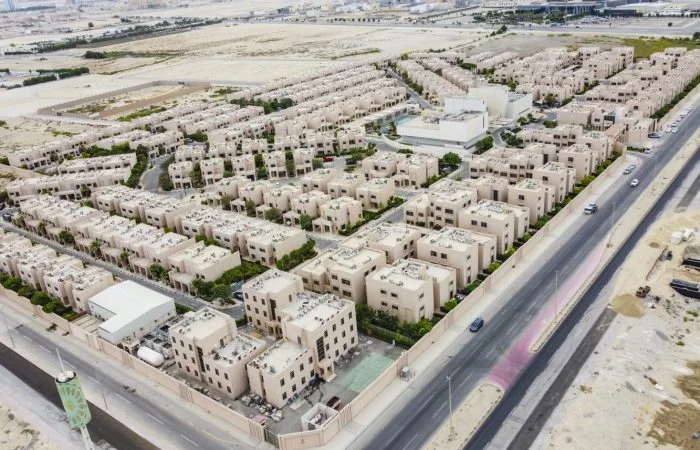
The future of construction in Saudi Arabia is undeniably digital. As Vision 2030 propels the Kingdom toward large-scale urban development, smart cities, and sustainable infrastructure, AI, Robotics, and BIM will play pivotal roles. The continuous evolution of these technologies, coupled with supportive government policies and training programs, is expected to further accelerate adoption.
Saudi construction companies that embrace these innovations will gain a competitive advantage, delivering projects faster, safer, and more efficiently, while aligning with global best practices and environmental standards.