
Budget Planning for Industrial Construction Projects in Saudi Arabia (2026)
A Strategic Guide for Managing Industrial Construction Costs
Industrial construction projects require careful financial planning to ensure successful project delivery. Whether developing factories, manufacturing plants, warehouses, or logistics infrastructure, budget planning is one of the most important stages of any industrial development.
In Saudi Arabia, large-scale industrial projects are expanding rapidly as the country strengthens its manufacturing sector and develops advanced industrial infrastructure.
Driven by initiatives such as Saudi Vision 2030, the Kingdom is investing heavily in industrial cities, manufacturing facilities, and logistics hubs.
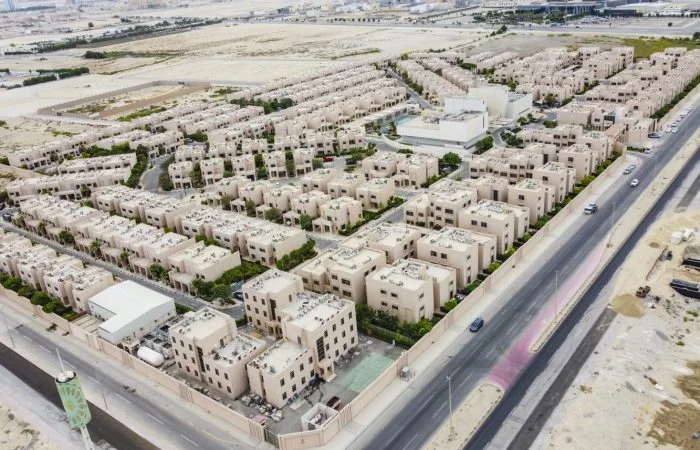
Major industrial centers such as Dammam, Jubail, Riyadh, and Al Khobar are experiencing rapid industrial growth.
For investors and developers, effective budget planning for industrial construction projects ensures that facilities are completed on schedule and within financial limits.
Importance of Budget Planning in Industrial Construction
Industrial construction projects often involve complex infrastructure, specialized equipment, and large-scale facilities.
Without proper budget planning, projects may experience:
-
cost overruns
-
construction delays
-
design changes
-
financial risks
Effective budgeting helps project owners:
✔ allocate financial resources efficiently
✔ control project costs
✔ reduce financial uncertainties
✔ ensure project feasibility
Budget planning allows developers to make informed decisions throughout the project lifecycle.
Key Cost Components in Industrial Construction Projects
Industrial construction budgets typically include several major cost categories.
1️⃣ Land Acquisition and Site Development
The first cost element in many industrial projects is land acquisition and site preparation.
Site development costs may include:
-
land clearing
-
excavation and earthworks
-
soil stabilization
-
grading and leveling
Sites with complex terrain or poor soil conditions may require additional preparation costs.
2️⃣ Structural Construction Costs
Structural construction forms the backbone of industrial facilities.
Structural costs may include:
-
reinforced concrete foundations
-
steel structure frameworks
-
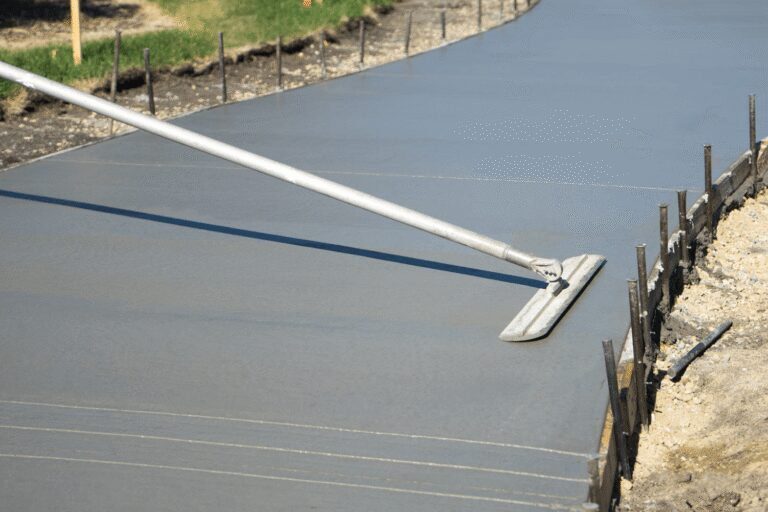
industrial slab construction
Factories and warehouses often require heavy-duty structures capable of supporting large machinery and equipment.
3️⃣ Construction Materials
Material costs represent one of the largest portions of industrial construction budgets.
Important materials include:
-
steel
-
cement
-
concrete
-
insulation materials
-
structural panels
Global market fluctuations can affect material prices, impacting construction costs.
4️⃣ Labor Costs
Construction labor costs include wages for:
-
construction workers
-
engineers
-
project supervisors
-
site managers
Industrial projects often require skilled labor capable of working with specialized equipment and construction techniques.
5️⃣ Mechanical, Electrical, and Plumbing (MEP) Systems
Industrial facilities require advanced building systems including:
-
electrical power distribution
-
ventilation and HVAC systems
-
plumbing networks
-
fire protection systems
MEP systems are essential for supporting manufacturing and operational activities.
6️⃣ Industrial Equipment Foundations
Factories often require reinforced foundations designed specifically to support heavy machinery.
These foundations must be engineered to handle:
-
equipment loads
-
vibration control
-
operational stresses
Equipment foundations may increase construction costs depending on production requirements.
Factors Affecting Industrial Construction Budgets
Several factors influence the total cost of industrial construction projects.
Project Size and Production Capacity
Large industrial facilities may benefit from economies of scale, reducing construction cost per square meter.
However, large facilities also require greater infrastructure investment.
Building Design and Engineering Complexity
Facilities with complex layouts, specialized equipment, or advanced production lines may require additional engineering and construction resources.
Construction Location
Construction costs may vary depending on project location.
Industrial projects in major cities such as Riyadh or Dammam may involve higher labor and logistics costs.
Infrastructure Requirements
Industrial projects often require additional infrastructure including:
-
internal road networks
-
drainage systems
-
utility connections
Infrastructure development can significantly affect project budgets.
Construction Technology
Modern construction technologies such as modular construction and prefabrication can reduce project timelines and improve efficiency.
However, specialized technologies may require higher initial investment.
Steps for Budget Planning in Industrial Construction
Developers and investors can follow several steps when preparing construction budgets.
Step 1: Define Project Scope
The first step is defining the project scope including:
-
building type
-
facility size
-
production capacity
This information helps estimate construction requirements.
Step 2: Conduct Feasibility Studies
Feasibility studies evaluate:
-
financial viability
-
site conditions
-
infrastructure availability
Feasibility analysis ensures that projects are economically feasible.
Step 3: Prepare Conceptual Designs
Preliminary designs help estimate structural requirements and building systems.
Step 4: Estimate Construction Costs
Cost estimation includes calculating:
-
material quantities
-
labor requirements
-
infrastructure development costs
Step 5: Include Contingency Budgets
Industrial construction projects often include contingency funds to address unexpected expenses.
Role of Construction Contractors in Budget Planning
Professional construction contractors provide valuable support during the budgeting stage.
Contractors assist with:
-
cost estimation
-
value engineering
-
procurement planning
These services help optimize project budgets and improve cost efficiency.
Strategies to Control Industrial Construction Costs
Developers can implement several strategies to manage construction costs effectively.
✔ optimize building design
✔ select cost-efficient materials
✔ implement efficient project scheduling
✔ adopt modern construction technologies
These strategies help improve project efficiency and reduce financial risks.
Digital Tools for Construction Budgeting
Modern construction projects increasingly use digital tools to improve cost estimation accuracy.
Examples include:
-
building information modeling (BIM)
-
digital cost estimation software
-
project management platforms
These tools improve transparency and efficiency in construction budgeting.
Future Trends in Industrial Construction Budgeting
Several trends will influence industrial construction budgeting in Saudi Arabia.
These include:
-
increased use of automation and robotics
-
sustainable building technologies
-
modular construction methods
These innovations may improve efficiency and reduce long-term operational costs.
Budget Planning for Industrial Construction Projects
Budget planning plays a critical role in the success of industrial construction projects.
Accurate cost estimation helps developers manage financial resources, reduce risks, and ensure successful project completion.
As Saudi Arabia continues expanding its manufacturing sector and industrial infrastructure under Saudi Vision 2030, effective construction budgeting will remain essential for investors and developers.
Proper budget planning ensures that industrial facilities such as factories, warehouses, and production plants are built efficiently and sustainably.