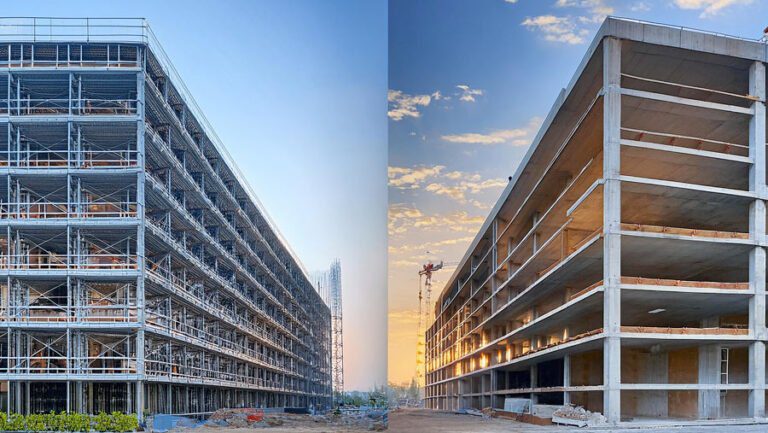

The Rise of AI and Automation in Construction Project Management
The construction sector, historically grounded in manual processes and conventional decision-making methodologies, is undergoing a transformative technological evolution. Over the last decade, the development of Artificial Intelligence (AI), machine learning, data analytics, and automation has permeated nearly every aspect of project delivery. These innovations are not merely refining existing methodologies—they are fundamentally re-engineering the managerial, operational, and financial framework of construction projects. The organizations that embrace AI-driven systems are poised to achieve superior performance, precision in execution, enhanced safety, and optimized resource utilization, thereby securing a competitive advantage in an increasingly demanding marketplace.
Traditional Challenges in Construction Project Management
To fully appreciate the disruptive capacity of AI and automation, it is essential to first contextualize the entrenched challenges that have historically impeded construction project performance. Traditional construction management systems rely on extensive manual coordination, fragmented communication, and limited real-time visibility. As a result, the industry has long faced persistent and systemic challenges.
1. Project Complexity and Scope Management
Construction projects often involve thousands of interrelated tasks, multiple subcontractors, intricate contractual obligations, diverse regulatory requirements, and dynamic site conditions. Managing such complexity manually introduces significant opportunities for planning errors, miscommunication, schedule inconsistencies, and lack of alignment among participating stakeholders. The manual approach makes it increasingly difficult to maintain a single source of truth for ongoing project intelligence.
2. Cost Overruns and Schedule Delays
A common revelation in industry studies is that a large proportion of construction projects exceed their initial cost estimates and completion deadlines. These overruns are often caused by:
-
Inaccurate cost forecasting
-
Poor resource allocation
-
Supply chain issues
-
Unexpected site conditions
-
Inefficient planning
-
Delayed decision cycles
Because traditional systems lack advanced predictive capability, budget deviations are frequently detected only after financial consequences have already materialized.
3. Occupational Safety and On-Site Hazards
Construction remains one of the most hazardous professional sectors globally. Workers operate in dynamic environments surrounded by heavy machinery, elevated surfaces, and hazardous materials. Safety processes in many organizations rely heavily on manual supervision, making them susceptible to observational errors and inconsistent reporting. These weaknesses contribute to higher incidences of injuries, fatalities, and non-compliance with safety standards.
4. Underutilization of Resources
Optimal deployment of manpower, machinery, and materials is one of the most difficult objectives in construction. Inefficient management can result in:
-
Idle equipment
-
Labor underutilization
-
Material wastage
-
Excessive downtime
-
Budget inflation
Without real-time tracking tools, project managers often rely on periodic reports that do not accurately reflect rapidly changing on-site conditions.
5. Fragmented Data Systems and Information Silos
Traditional construction workflows often store data across disconnected spreadsheets, emails, paper documents, and isolated software systems. This fragmentation prevents project managers from accessing comprehensive, unified, and actionable information. Decision-making becomes reactive rather than proactive, and lack of centralized visibility leads to avoidable rework, communication breakdowns, and confusion among teams.
6. Reactive Rather Than Proactive Risk Management
Conventional risk assessments are typically based on historical experience, personal judgment, and static documents. Such methods can overlook emerging risks, dynamic site changes, and evolving project constraints. As a result, risks are often addressed after problems have already escalated, increasing the cost of mitigation and the potential for contractual disputes.
AI and Automation: Transforming the Future of Construction Management
Artificial Intelligence has introduced a new era of intelligent analytics, predictive modeling, automated scheduling, and machine-based decision support. By leveraging structured and unstructured data, AI systems can produce insights that far surpass human analytical capacity in speed, precision, and scope.
Below are the key domains where AI is driving profound change.
1. Intelligent Planning and Scheduling
Effective scheduling is the foundation of successful project delivery. AI-powered scheduling platforms utilize machine learning algorithms to analyze historical performance, productivity rates, supplier data, and environmental conditions to generate realistic project timelines. These systems eliminate guesswork in planning and bring mathematical accuracy to forecasting.
Predictive Scheduling Models
AI systems can evaluate diverse project variables such as:
-
Labor productivity fluctuations
-
Seasonal weather patterns
-
Equipment availability
-
Contractor performance history
-
Material delivery lead times
By analyzing these parameters, AI creates dynamic schedules that adjust automatically as project conditions evolve.
Generative Design and Scenario Simulation
AI-based generative design tools evaluate thousands of design permutations in minutes. They optimize project parameters including:
-
Cost
-
Material efficiency
-
Structural quality
-
Environmental sustainability
-
Construction feasibility
This accelerates early-stage planning and ensures that selected solutions represent the most viable and cost-effective alternative.
Early Detection of Schedule Risks
Through advanced pattern recognition, AI can identify recurring risk signals such as subcontractors with a history of recurring delays or equipment categories that frequently become bottlenecks. Automated alerts enable project managers to mitigate issues before they impact the critical path.
2. Precise and Predictive Cost Management
AI brings unprecedented financial clarity by using predictive models that continuously evaluate cost trends and future budget exposure. Instead of waiting for the end of the month to recognize a deviation, project managers receive real-time financial alerts.
Real-Time Budget Tracking
AI-driven dashboards integrate with enterprise resource systems, procurement platforms, and accounting software to provide continuous updates on:
-
Committed expenditures
-
Cost-to-complete projections
-
Variance from approved baselines
This enables faster and more informed corrective action.
Supplier Evaluation and Procurement Optimization
AI can analyze historical supplier data—pricing volatility, delivery reliability, payment disputes, and performance quality—to recommend suppliers representing the lowest risk and highest value. Such intelligence strengthens procurement decisions and limits cost escalation.
Change Order Impact Analytics
When project scope modifications arise, AI tools instantly calculate their projected financial and schedule impact. Project managers gain the ability to negotiate from a position of data-backed authority, reducing uncertainty in contractual adjustments.
3. AI-Enabled Safety and Site Monitoring
AI-powered computer vision systems are capable of scanning live video feeds from construction sites to detect unsafe conditions, unprotected work-at-height risks, missing personal protective equipment (PPE), and equipment collisions before they occur. Sites can be continuously analyzed using:
-
CCTV cameras
-
Drone surveillance
-
Wearable sensors
-
Smart equipment telemetry
When hazards are detected, automated alerts are issued to supervisors, creating a proactive and preventive safety environment. Over time, machine learning models refine their prediction accuracy based on accumulated incident data.
4. Enhanced Resource Utilization and Equipment Automation
Intelligent systems help optimize labor deployment, equipment schedules, and material flow. Real-time monitoring provides actionable insights such as:
-
Which machines are idle
-
Which resource categories are over-allocated
-
Where material usage is inefficient
Some advanced construction environments now employ autonomous or semi-autonomous machinery—such as robotic excavators, automated masonry units, and AI-guided surveying drones—to execute repetitive or precision-critical tasks with exceptional accuracy.
5. Improved Communication and Centralized Data Integration
AI enables unified project environments where all data is collected, processed, and distributed from a central platform. This eliminates siloed workflows and ensures that every stakeholder—contractors, consultants, suppliers, and clients—has access to consistent project intelligence. Real-time communication prevents misunderstanding, accelerates decision cycles, and strengthens collaboration.
A New Standard for Construction Excellence
The integration of AI and automation has elevated construction project management from reactive control to dynamic, data-driven leadership. The organizations that adopt these technologies will experience measurable advantages:
-
Reduced project delays
-
Improved safety performance
-
Stronger budget compliance
-
Higher productivity
-
Increased stakeholder transparency
-
Better resource utilization
-
More reliable forecasting
-
Enhanced competitiveness
AI is not replacing human expertise—it is amplifying it. Project managers gain access to tools that support faster decision-making, reduce administrative burden, and enable strategic focus rather than manual oversight.